 Mount Vernon
 Storm Damage Roof Repair for Downtown Mount Vernon
Downtown Mount Vernon sits low in the Skagit River valley, which means storms arrive with a particular signature: wind that funnels up the valley corridor, rain that comes in sideways rather than straight down, and a damp, shaded microclimate that keeps roofs wet longer than homes just a few miles out on higher, more open ground. A storm doesn't need to be dramatic to do real damage here. A few hours of driving rain and gusty wind can lift shingle tabs, work moisture under flashing, and expose a roof deck that was already softened by months of moss and shade. If you own a home or building in the downtown core, storm damage repair isn't a once-in-a-decade call — it's a recurring maintenance reality of living in this valley.
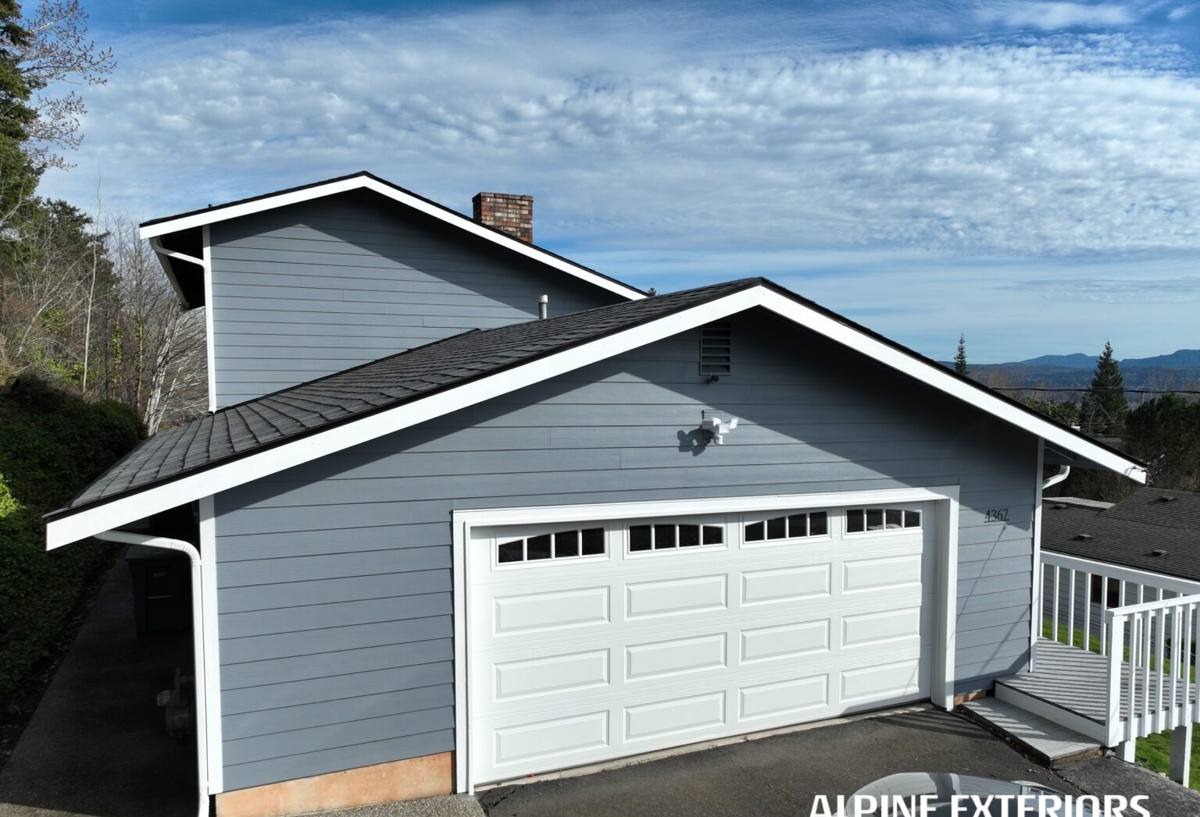
What Makes Downtown Mount Vernon Roofs Different
The downtown area has an older, denser mix of building stock than the newer subdivisions on the edges of town — Craftsman-era homes, older bungalows, and mixed-use buildings with lower-slope roof sections. That combination changes what "storm damage" looks like and how it needs to be fixed.
Wind and Driving Rain Off the Valley
Wind moving through the valley doesn't hit roofs evenly. It catches ridgelines, gable ends, and the transitions where additions meet the original roofline — all common on older downtown homes that have been added onto over the decades. Driving rain exploits any gap that wind has already opened, pushing water sideways under shingle edges and around flashing that was never designed for that kind of pressure.
Salt Air and Trapped Moisture
Skagit County's proximity to Puget Sound means a steady low-level salt air influence, even well inland. Combined with the valley's humidity, that accelerates corrosion on exposed metal flashing, nails, and gutter hardware. Once a fastener or flashing seam starts to corrode, it stops sealing properly, and that's exactly where storm-driven rain finds its way in.
An Aging Roofing Stock
A lot of downtown roofs are older than the manufacturer's rated lifespan would suggest, or they were re-roofed once without addressing the underlying deck or ventilation. Storm damage on an aging roof rarely stays isolated — a lifted shingle on a roof with brittle underlayment tends to tear rather than just lift, and a soft spot on an old deck spreads faster once water gets a path in.
Recognizing Storm Damage Before It Becomes a Bigger Repair
Not all storm damage is obvious from the ground, and not all of it shows up right away. Some of it takes a few weeks of continued rain to reveal itself as a stain or a soft spot. After any significant wind or rain event, it's worth walking your property and checking for these signs:
- Shingles that look lifted, curled, cracked, or are missing outright
- Granules collecting in gutters or at downspout outlets after a storm
- New or growing water stains on interior ceilings or upper-floor walls
- Soft or spongy spots on the roof surface, especially near valleys
- Bent, lifted, or missing flashing around chimneys, vents, and skylights
- Sagging gutters or gutters pulled away from the fascia
- Debris — branches, dislodged moss mats, or shingle fragments — sitting on the roof or in the yard
- Daylight visible through the attic roof deck where there shouldn't be any
Any one of these on its own might be minor. Two or three together, especially after a specific storm event, usually means water has already gotten past the surface layer.
What a Correct Storm Damage Repair Actually Involves
Storm repair done right is not just replacing the shingles that are visibly missing. It's a sequence, and skipping steps is how "repaired" roofs end up leaking again during the next storm.
1. Emergency Mitigation
If there's an active leak or an open section of deck, the first job is stopping further water intrusion — tarping, temporary flashing, or sealing an exposed area until a permanent repair can be scheduled. This step matters as much for insurance purposes as for the building itself; most policies expect reasonable steps to prevent further damage.
2. Diagnosing Past the Obvious Damage
A missing shingle is easy to see. What's underneath it isn't. A proper inspection checks the exposed underlayment and decking for moisture, looks at adjacent shingles for wind stress even if they didn't blow off, and checks nearby flashing and fasteners, since storm forces rarely damage just one component in isolation.
3. Repairing to Match, Not Just to Patch
Replacement materials should match the existing roof's type, weight, and where reasonably possible, color and profile — mismatched patches stand out and can also create uneven wear patterns. Flashing that's replaced should be sized and installed correctly for the specific transition, not just bent to fit. Underlayment in the repaired section should meet current standards even if the surrounding roof is older, since that's the layer doing the real waterproofing work.
4. Verifying the Fix Under Real Conditions
A repair isn't finished when the new shingles are nailed down. Checking the attic afterward, confirming drainage at the repaired area, and making sure flashing laps correctly with the existing roofing are what separate a repair that holds through the next valley storm from one that reopens in six months.
Choosing the Right Scope of Repair
Not every storm-damaged roof needs the same response. Matching the repair scope to the actual damage — instead of defaulting to either the cheapest patch or a full tear-off — is where an honest assessment pays off.
| Repair Type | Best For | Typical Timeline | Key Consideration |
|---|---|---|---|
| Emergency tarp / temporary seal | Active leaks, storm just occurred | Same day to 24 hours | Buys time; not a permanent fix, and insurers expect it |
| Targeted section repair | Isolated wind or impact damage on an otherwise sound roof | 1–2 days once scheduled | Only cost-effective if the surrounding roof and deck are in good shape |
| Multi-area repair | Damage in several spots from the same storm, older roof | 2–4 days | Worth comparing total repair cost against partial re-roofing |
| Full roof replacement | Widespread damage, deck compromised, or roof already near end of life | Days to about a week | Often the better long-term value once damage is extensive |
The honest answer for a lot of downtown storm calls falls in the middle of that table — a repair that's larger than a single patch but doesn't require full replacement. Getting that scope right is the difference between paying for the job once and paying for it twice.
Our Process for Downtown Mount Vernon Storm Calls
When we get a storm damage call from a downtown property, the process generally runs like this:
- Initial assessment: a roof and attic inspection focused on the areas most likely affected by the specific storm — usually the windward roof plane, valleys, and any existing flashing points.
- Documentation: clear photos and notes on the damage, which are useful whether or not you end up filing an insurance claim.
- Honest scope recommendation: we tell you what actually needs to be repaired and what's cosmetic or can wait, rather than defaulting to the largest job.
- Repair work: using materials matched to your existing roof and flashing details appropriate to the specific transition, not generic fixes.
- Post-repair check: confirming the repair area is sealed and draining correctly before we consider the job done.
Working With Insurance on Storm Claims
Many storm repairs in this area do go through homeowners insurance, particularly when damage is widespread or when a claim also involves siding or gutters. We're not a substitute for your adjuster or your policy's terms, but clear photo documentation, a written scope of damage, and a straightforward repair estimate all make that process smoother. If the damage is minor and clearly isolated, it's also worth weighing the repair cost against your deductible before filing — that's a conversation we're happy to have honestly, without steering you toward a claim you don't need.
Why Local Experience in Downtown Mount Vernon Matters
A crew that already works this part of Mount Vernon knows the pattern of storm damage before they climb the ladder — which roof orientations in the valley take the worst wind, how the older downtown building stock was typically roofed and re-roofed over the years, and how quickly moss and moisture reclaim an area once a repair is finished. That local pattern recognition shortens the diagnostic part of the job and reduces the chance of missing a secondary problem. It also means faster response after a widespread storm event, since we're not routing a crew in from outside the county after every other closer job is done.
Preventing the Next Storm From Doing the Same Damage
A storm repair is a good moment to address the conditions that made the damage worse than it needed to be. In Skagit County's long moss season, that usually means:
- Clearing moss and debris from the full roof surface, not just the repaired section
- Checking that gutters and downspouts are clear so storm runoff actually drains instead of backing up under the roof edge
- Confirming attic ventilation is adequate, since a damp, poorly ventilated attic softens decking from the inside over time
- Inspecting flashing around chimneys and vents for early corrosion before it becomes a leak point
None of that prevents wind and rain from hitting your roof, but it does mean the next storm finds a roof in better condition to withstand it.
If you've had recent storm damage — or you're not sure whether what you're seeing is storm-related or just wear — we're glad to take a look and give you a straightforward assessment. Use the form below to request a free, no-pressure estimate.