 Mount Vernon
 La Conner Sits Right on the Water — And Your Siding Knows It
La Conner is one of the more distinctive communities we work in around Skagit County. Sitting along the Swinomish Channel with open water nearby, it gets a different exposure than homes further inland in Mount Vernon or Burlington. Salt-laden air moves through daily, humidity sits higher for more of the year, and the marine layer that rolls off the Salish Sea keeps siding, trim, and roofing damp for long stretches at a time. That combination is exactly the kind of environment that separates exterior products and installation crews that hold up from the ones that don't.
We're a Mount Vernon-based crew, and La Conner is part of our regular service area. We're not driving in from out of the region to bid a job and disappear — this is local work, on homes exposed to the same weather patterns we deal with across the rest of Skagit County, just with the marine influence turned up a notch.
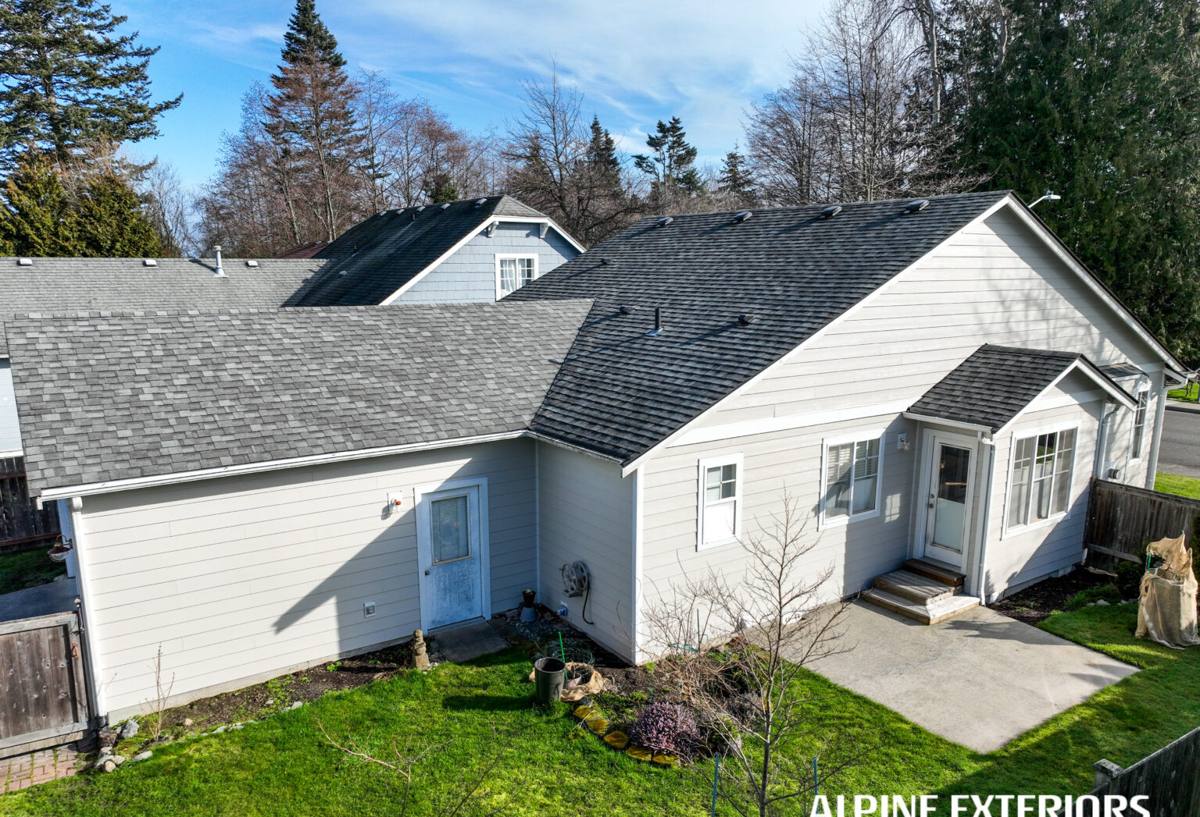
What Salt Air, Driving Rain, and Moss Actually Do to a Home
Salt Air
Airborne salt is corrosive to metal fasteners, flashing, and hardware, and it accelerates the breakdown of finishes that aren't built to resist it. On siding specifically, a weak factory finish or field-applied paint will chalk, fade, and lose adhesion faster near open water than it would ten or fifteen miles inland. Over years, that means more frequent repainting and a higher risk of moisture getting behind the material once the finish starts to fail.
Driving Rain
Western Skagit County gets wind-driven rain off the water, not just straight-down rain. Driving rain finds every gap in flashing, every poorly lapped seam, and every place where caulk was asked to do a job that proper detailing should have handled. Products and installation methods that work fine in a drier climate can fail here simply because the rain is coming in sideways for a good part of the year.
Moss and Prolonged Dampness
Between the marine layer, tree cover common in this area, and our long wet season, exterior surfaces in La Conner can stay damp for extended periods. That's ideal for moss and algae growth on siding, trim, and roofing, and it means any material that's sensitive to sustained moisture exposure is working against the odds from day one.
Why We Only Install James Hardie Fiber Cement
We made a deliberate decision as a company to install James Hardie fiber cement siding exclusively — we don't install vinyl, LP SmartSide, primed wood, cedar, or other fiber cement brands like Allura or Cemplank. That's not a marketing position, it's a standard we hold because of what we've seen exterior materials do over time in exactly the kind of climate La Conner sits in.
- Non-combustible core: Hardie's fiber cement composition doesn't burn, which matters for insurance considerations and long-term peace of mind regardless of climate.
- Engineered for moisture, not just painted against it: Hardie's HZ5 product line is specifically formulated for wetter, harsher climates like the Pacific Northwest, addressing moisture and freeze-thaw behavior at the material level rather than relying purely on a surface coating.
- ColorPlus factory finish: a baked-on, factory-controlled finish holds color and resists fading, chalking, and peeling far better than field-applied paint, which is the finish most vulnerable to salt air and UV exposure over time.
- Dimensional stability: fiber cement doesn't expand, contract, warp, or rot the way wood-based siding can when it's cycling between saturated and dry conditions for months at a stretch.
- Warranty backing: Hardie's transferable product warranty reflects genuine confidence in long-term performance, which matters when a home may change hands during the life of the siding.
To be fair to the alternatives: vinyl is inexpensive and low-maintenance in mild conditions, and engineered wood products have improved a great deal over the years. But when we weigh installation sensitivity, moisture behavior over a 20-30 year horizon, and appearance retention in a marine environment specifically, fiber cement — and Hardie's version of it in particular — is what we're willing to put our name behind and warranty our workmanship on.
What Correct Installation Looks Like on a Marine-Exposed Home
Fiber cement siding is only as good as the installation behind it, and that's especially true near open water. A few details we treat as non-negotiable on La Conner projects:
- Proper weather-resistive barrier and rainscreen or drainage plane behind the siding so any moisture that does get past the cladding has somewhere to go.
- Correctly lapped and sealed flashing at every window, door, and roof-to-wall transition — the places driving rain actually exploits.
- Fastener spacing, penetration depth, and material matched to Hardie's published specifications, not shortcuts that void the manufacturer warranty.
- Factory-cut and factory-primed edges kept intact wherever possible, since field cuts need to be properly sealed to maintain the moisture resistance built into the panel.
- Adequate clearance between siding and grade, decks, or hardscaping so splash-back and standing moisture aren't sitting against the bottom course.
These aren't unique to La Conner, but the margin for error is smaller here than in a drier inland location. A flashing detail that's merely adequate somewhere with less rain exposure can be the exact failure point that lets water in on a home that catches wind-driven rain off the channel.
Beyond Siding: The Rest of the Exterior Faces the Same Conditions
We handle roofing, windows, and decks alongside siding, and in La Conner those systems are under the same environmental stress. A few things worth knowing:
Roofing
Moss growth on roofing follows the same pattern as on siding — shaded, damp roof planes are the most common trouble spots. Roof-to-wall flashing is also one of the most common paths for water intrusion behind siding, so when we're doing exterior work on a home, we look at how the roof and siding systems interact, not just each in isolation.
Windows
Window flashing and sealant integration is one of the highest-risk areas for water intrusion on any home, and it's a detail that has to be done correctly whether the windows themselves are being replaced or the siding is being redone around existing windows.
Decks
Decks built from moisture-sensitive materials in a damp, shaded, salt-air environment need attention to fastener corrosion resistance, ledger flashing, and drainage — the same underlying concerns that drive our siding decisions apply to deck construction and repair.
Why Hiring a Local Crew Matters Here
La Conner's exposure isn't identical to Mount Vernon proper, and it's not identical to more sheltered inland parts of Skagit County either. A crew that works across this region regularly develops a feel for which details matter most where — how much more attention flashing needs on a waterfront-adjacent property, which sides of a home take the worst of the driving rain, where moss is going to be a persistent issue regardless of material. That's the kind of judgment that comes from doing the work locally and repeatedly, not from a one-size-fits-all approach applied the same way everywhere.
Being local also means we're accountable after the job is done. If a warranty question comes up or something needs a look years down the road, we're not far away.
Cost Factors for a La Conner Siding Project
| Factor | Why It Matters in La Conner |
|---|---|
| Home size and story count | More surface area and higher walls increase material and labor, and multi-story homes require more scaffolding/staging near tight or waterfront lots |
| Existing exterior condition | Homes with hidden moisture damage from prior siding failures may need sheathing repair before new siding goes on |
| Siding profile and trim complexity | Lap, shingle, and panel profiles vary in material and labor cost; more trim and architectural detail adds time |
| Flashing and drainage plane scope | Marine exposure means we don't cut corners here — it's a fixed cost of doing the job right, not an optional upgrade |
| Access and site conditions | Tight lots, mature landscaping, or waterfront setbacks common in La Conner can affect staging and timeline |
A Simple Maintenance Checklist for Marine-Climate Siding
- Rinse siding annually to remove salt residue and surface grime before it has a chance to sit against the finish long-term
- Check and clear gutters and downspouts each fall so water isn't overflowing onto siding below
- Trim back vegetation that keeps siding shaded and damp, especially on north-facing walls
- Inspect caulking and sealant at trim and penetrations every couple of years and re-seal as needed
- Watch for moss or algae growth and address it early rather than letting it establish
- Have flashing at windows, doors, and roof lines checked periodically, particularly after major storms
If you're weighing a siding, roofing, window, or deck project on a La Conner home, we're happy to take a look and talk through what your specific property is facing — no pressure, no obligation. Reach out for a free estimate using the form below.