 Mount Vernon
 Siding Built for Alger's Corner of Skagit County
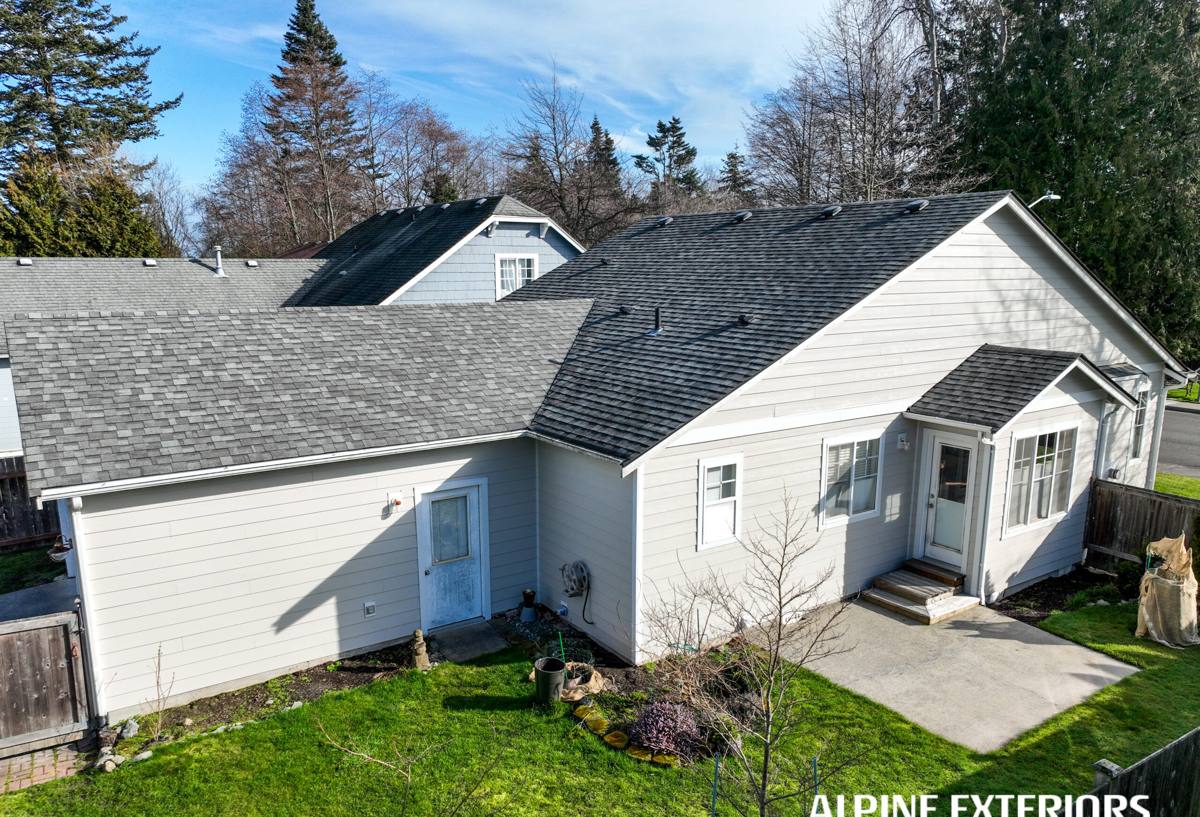
Alger sits in a quieter, more wooded stretch of Skagit County, tucked along the I-5 corridor between Mount Vernon and the Whatcom County line, close to Samish Bay and Lake Samish. It's a different exposure than the flat farmland closer to town — more tree cover, more shade, and enough proximity to saltwater to bring salt air into the mix along with the driving rain that rolls in off the water most of the year. Homes out here work harder against moisture and organic growth than homes just a few miles inland, and the exterior materials on them need to be chosen with that in mind.
We're a local crew that works this whole area, not a call center dispatching whoever's available. That matters in a community like Alger, where properties tend to be more spread out, driveways are longer, and the right siding, roofing, window, or deck solution depends on how a specific lot sits — how much sun it gets, how close the tree line is, which direction the weather comes from.
What the Climate Does to Homes in Alger
Salt Air and Driving Rain
Alger's proximity to Samish Bay means homes here get a real dose of salt-laden air, especially on west and southwest-facing walls that catch weather coming off the water. Salt air accelerates corrosion on fasteners, trim, and unprotected wood fiber, and it works alongside wind-driven rain that gets pushed into seams, laps, and trim joints that would stay dry in a calmer climate. Siding that isn't dimensionally stable, or that relies on paint film alone to keep water out, tends to show its age faster under this kind of repeated exposure.
The Moss and Shade Problem
Alger has more mature tree cover than the open farmland closer to Mount Vernon, and that shade is a mixed blessing. It keeps homes cooler in summer, but it also means north- and east-facing walls, and anything tucked under overhanging branches, can stay damp for days after a storm. Skagit County's long, wet moss season (roughly October through May) hits shaded, low-airflow walls the hardest — moss and algae take hold, retain moisture against the surface, and accelerate rot in wood-based products that aren't built to handle sustained dampness.
What This Means for Material Choice
Between the salt air, the rain, and the shade-driven moss pressure, Alger is not a forgiving environment for siding materials that depend on perfect maintenance to perform. A product that swells, delaminates, or loses its finish under sustained moisture exposure is going to show problems here faster than it would in a drier part of the state. This is a big part of why we install exclusively James Hardie fiber cement siding — a non-combustible, moisture-resistant material engineered specifically for wet, coastal-influenced Pacific Northwest climates like this one.
Why We Only Install James Hardie
We get asked regularly about vinyl siding, LP SmartSide, and other fiber cement brands like Cemplank or Allura. Each of those products has a place in the market, and we're not here to trash them. But after years of doing exterior work across Skagit County, we made a professional decision to standardize on one product line, and that decision comes down to how materials actually perform over decades in this specific climate — not just on a spec sheet.
| Material | Common Trade-Off in This Climate |
|---|---|
| Vinyl siding | Can warp or become brittle with temperature swings; seams and laps are more vulnerable to wind-driven rain intrusion; color is baked in and fades over time with no refinish option |
| LP SmartSide (wood-strand) | Engineered wood product — performs well when maintenance stays current, but sustained moisture exposure (shade, salt air, poor drainage) raises the stakes on caulking and repainting schedules |
| Other fiber cement (Cemplank, Allura) | Similar base material to Hardie, but factory finish warranties, HZ climate-zone engineering, and regional support vary by manufacturer |
| James Hardie fiber cement | Non-combustible, engineered HZ10 product line built for Pacific Northwest moisture exposure, factory ColorPlus finish, strong transferable warranty |
James Hardie's HZ10 product line is engineered specifically for climates like ours — high moisture, moderate temperatures, and the kind of sustained dampness that Alger's shaded lots and salt-air exposure both contribute to. The ColorPlus factory finish process bakes color onto the board under controlled conditions, which holds up far better against UV and moisture than field-applied paint. And because it's fiber cement, not wood or wood-strand, moss and algae sit on the surface rather than feeding into the material itself — a real advantage on the tree-covered lots common around Alger.
How We Approach a Siding Job in Alger
Site Assessment First
Every property here is different. A lot backed up against trees with heavy shade needs a different look at ventilation and moisture management than an open lot with direct salt-air exposure. Before we talk products or pricing, we walk the property, check the current siding and trim for moisture damage, and look at how water moves around the house — gutters, grading, roof lines, and where wind-driven rain is most likely to hit.
What a Full Exterior Job Involves
- Removal of existing siding and inspection of the sheathing underneath for hidden rot or moisture damage
- Repair or replacement of any compromised sheathing, framing, or trim before new material goes on
- Installation of a code-compliant weather-resistive barrier and proper flashing at windows, doors, and penetrations
- James Hardie fiber cement installation to manufacturer spec, including correct fastener type and placement for our climate
- Trim, corner, and joint detailing designed to shed water rather than trap it
- Final walkthrough covering warranty registration and basic care going forward
Roofing, Windows, and Decks Alongside Siding
Siding doesn't work in isolation — a roof that's shedding water improperly, windows with failed flashing, or a deck ledger board that's trapping moisture against the house all undermine even the best siding job. Because we handle roofing, windows, and decks in addition to siding, we can look at a home's whole exterior envelope at once rather than fixing one piece and leaving another to fail. That's especially relevant on older Alger properties where multiple systems may be original to the house.
Cost Factors for Alger Properties
Every estimate is specific to the home, but a few factors tend to move the number more than others in this area:
| Factor | Why It Matters Here |
|---|---|
| Existing moisture damage | Shaded, tree-covered lots have higher odds of hidden sheathing rot that needs repair before new siding goes on |
| Home size and wall complexity | More corners, dormers, and trim details mean more labor and material cuts |
| Access and site conditions | Longer driveways, tree cover, and sloped or rural lots common in Alger can affect staging and material delivery |
| Current siding removal | Tear-off scope depends on what's underneath and how much of it is salvageable versus compromised |
| Trim and detail work | Custom trim around windows, doors, and rooflines adds time but pays off in long-term water management |
Why a Local Crew Matters in a Community Like Alger
Alger isn't downtown Mount Vernon — it's a smaller, more spread-out community, and a crew that knows the area knows what to expect before they even pull up: more tree cover, more shade-driven moss, properties with septic systems and wells instead of city utilities, longer driveways to stage equipment on. That local familiarity means fewer surprises mid-project and a more accurate estimate from the start. We're Skagit County based, and we service Alger as part of that same territory — not as an outlying stop tacked onto a bigger city's route.
Maintenance Homeowners in Alger Should Keep Up With
- Keep gutters clear, especially in fall, since overhanging trees drop debris that backs up water onto walls
- Trim back branches that shade siding directly — more airflow and sun exposure slows moss growth
- Rinse siding surfaces periodically to remove algae and moss buildup before it takes hold
- Inspect caulking around windows, doors, and trim annually, especially after winter storms
- Watch for soft spots or discoloration near ground level, a common sign of splash-back moisture
James Hardie fiber cement significantly reduces the maintenance burden compared to wood-based or vinyl alternatives, but no siding is entirely maintenance-free in a climate like this one. Staying ahead of moss and moisture is still worth the effort.
Get a Free, No-Pressure Estimate
If you're in Alger and dealing with aging siding, moss buildup, or moisture concerns, we're happy to come take a look. There's no obligation and no pressure — just an honest assessment of your home's exterior and what it would take to get it performing well for the next few decades. Use the form below to request your free estimate.