 Mount Vernon
 Conway's Siding Takes a Different Kind of Beating
Conway sits low in the Skagit River delta, close enough to Skagit Bay and Puget Sound that salt-laden air is part of daily life for anyone living there. Add in Skagit County's long wet season, near-constant driving rain off the water, and a moss season that can run from October clear through April, and you have a set of conditions that punishes exterior siding harder than most inland neighborhoods ever see. Homes in Conway don't fail the same way a house in a dry climate does. They fail at the edges first — at trim, at butt joints, at anywhere water can find a way behind the cladding and stay there.
We repair siding in this specific area often enough to know the pattern. It's rarely one catastrophic problem. It's small, boring points of failure — a hairline gap, a caulk joint that gave up two winters ago, a low corner that never quite dries out — that get worse every rainy season until they're a real repair job instead of a five-minute fix.
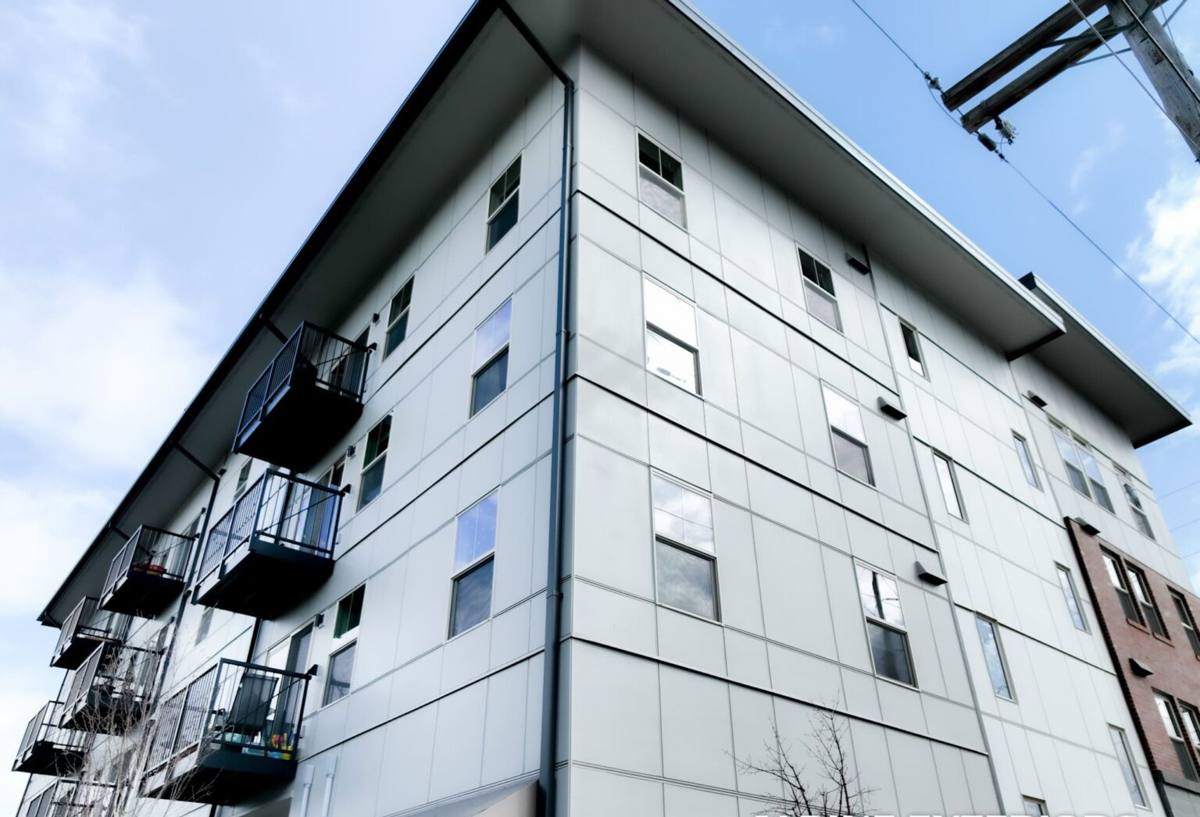
Signs a Conway Home Needs Siding Repair
Most homeowners don't notice siding problems until they're already serious, because the damage happens behind the surface long before it shows on it. Here's what we tell Conway homeowners to walk their exterior and check for, especially after a hard winter:
- Soft or spongy spots when you press on siding near the ground line or under windows
- Dark streaking, green film, or thick moss buildup on north- and west-facing walls
- Visible gaps at seams, corners, or where siding meets trim, window casings, or the foundation
- Paint that's bubbling, peeling, or chalking in patches rather than evenly across the wall
- Warping, cupping, or bowing panels, especially on walls that face prevailing wind and rain
- A musty smell in an interior room that backs onto an exterior wall
- Caulk that's cracked, shrunk, or pulled away from a joint
None of these by themselves mean you need a full re-side. But every one of them is a signal that water is getting somewhere it shouldn't, and in this climate, "small" problems compound fast because the wall rarely gets a real chance to dry out between storms.
What a Correct Siding Repair Actually Involves
A lot of siding "repair" in this trade is really just cosmetic patching — caulk over a gap, a dab of paint over a stain, a piece nailed back up without checking what's underneath it. That kind of fix looks fine for a season and then fails again, usually worse, because it never addressed the water intrusion that caused the damage in the first place.
A correct repair starts by opening things up enough to find out what's actually happening behind the siding. That means checking the house wrap or building paper for tears, checking flashing above windows and at trim transitions, and confirming that whatever caused the failure — a bad seal, a missing flashing detail, a panel installed too close to grade — gets fixed as part of the repair, not just covered back up. Only after that is settled does the visible siding repair happen: cutting out the damaged section cleanly, replacing it with matching material, resealing every joint correctly, and refinishing so the repair blends into the wall instead of standing out as an obvious patch.
Why This Matters More in Conway
In a drier climate, a sloppy repair might hold up for years before anyone notices the shortcut. Here, with salt air accelerating corrosion of fasteners and flashing, and driving rain testing every seam multiple times a month through the wet season, a shortcut repair often fails within a single winter. We don't do temporary fixes on a home that's going to face another Skagit County winter in a few months.
Why We Repair in James Hardie Fiber Cement — Not Vinyl, Not LP, Not Cedar
Our company installs and repairs James Hardie fiber cement siding exclusively. We don't install LP SmartSide, vinyl, Cemplank, Allura, primed spruce, or cedar, and that standard applies to repair work too. There's a practical reason: repairing a wall correctly means matching the existing material's behavior, not just its color. Fiber cement, wood-based composite, and vinyl each expand, contract, and absorb moisture differently, and each has its own repair techniques and fastening requirements.
If your home is already sided in James Hardie, we can typically match the existing product line, profile, and ColorPlus finish closely enough that a repair section blends into the wall rather than standing out as a patch. If your Conway home currently has a different siding material and the damaged area is significant, we'll walk you through what a partial repair in fiber cement would look like versus what most homeowners in this climate ultimately decide — replacing the affected wall, or the whole exterior, in Hardie going forward. We won't push a full re-side on you for a problem a real repair can solve, but we also won't pretend a mismatched patch is the right long-term answer.
Our Process: Inspection to Finished Repair
- On-site inspection. We look at the damaged area and the surrounding wall, check flashing, trim, and drainage paths, and identify the actual cause — not just the visible symptom.
- Diagnosis and honest scope. We tell you plainly whether this is a targeted repair, a larger section replacement, or a sign the wall needs a broader look. If it's a small fix, we say so.
- Written estimate. You get a clear scope and price before any work starts — no surprise change orders for problems we should have caught during inspection.
- Removal and inspection behind the siding. We pull the damaged material, check the water-resistive barrier and flashing underneath, and repair or replace anything compromised.
- Correct reinstallation. New fiber cement is cut, fastened, and sealed to manufacturer spec — proper clearances, correct fasteners, and joints sealed against the specific weather this area sees.
- Finish match. Factory ColorPlus finish or field-applied coating is matched as closely as possible to the existing wall so the repair doesn't read as a patch job from the street.
- Final walkthrough. We show you the completed work and explain what to keep an eye on going forward.
Repair or Replace? How We Make the Call
| Situation | Usually a Repair | Usually Points to Replacement |
|---|---|---|
| Damage location | Isolated to one or two wall sections | Spread across multiple elevations |
| Underlying wall condition | House wrap and framing intact behind the damage | Water damage found behind multiple areas |
| Age of existing siding | Siding is under 15-20 years old and otherwise sound | Siding is near or past its expected service life |
| Cause of failure | A single identifiable defect (flashing, caulk, impact damage) | Systemic issue — original installation errors throughout |
| Material match | Existing Hardie product line still available/matchable | Discontinued profile, or non-Hardie material with no good repair path |
Most of the calls we get from Conway homeowners fall into the repair column — a specific area, a specific cause, a home that's otherwise in decent shape. We'd rather do the smaller, honest job than talk you into more work than you need.
What Affects the Cost of a Siding Repair
We're not going to quote a number here, because siding repair pricing genuinely depends on what we find once the wall is opened up — but these are the factors that move the price up or down on most jobs:
| Factor | Why It Matters |
|---|---|
| Extent of hidden water damage | Rotted sheathing or framing behind the siding adds real repair scope beyond the visible patch |
| Height and accessibility | Second-story and steep-roofline areas require more setup time and equipment |
| Color and profile match | Matching an older ColorPlus finish or a discontinued profile can take more sourcing time |
| Number of affected areas | Several small repairs across a house cost differently than one larger contiguous section |
| Trim and flashing condition | Failed flashing or trim usually needs replacing alongside the siding itself |
Why Hiring a Crew That Already Works in Conway Matters
Siding repair is one of those trades where local experience actually changes the outcome, not just the sales pitch. A crew that regularly works Mount Vernon and the surrounding Skagit County communities has already seen how salt air corrodes the wrong fastener choice, how driving rain finds the gap a generic installation manual doesn't account for, and how moss takes hold on shaded walls that never fully dry between storms. That's not something you learn from a manufacturer's install guide — it's something you learn from repairing the same failure patterns on real homes in this specific area, year after year.
It also means we're not guessing at what "normal" looks like for a Conway home. We know what a wall exposed to prevailing weather off the water should look like after five years versus after fifteen, and we can tell you honestly whether what you're seeing is normal wear or an actual problem.
Keeping Your Siding in Good Shape After the Repair
A correct repair should last, but every home in this climate benefits from some basic upkeep between service visits:
- Rinse siding annually to knock back algae and moss growth before it takes hold
- Keep gutters clear so water isn't sheeting down the wall face
- Trim back vegetation and tree cover that keeps walls shaded and damp
- Re-caulk joints at trim and penetrations on the schedule your finish manufacturer recommends
- Walk the exterior each fall and spring looking for the early warning signs listed above
If you're seeing any of those signs on your Conway home, or you just want an honest read on whether a spot of damage is a quick fix or something bigger, we're happy to take a look. The estimate is free, there's no pressure, and you'll get a straight answer about what your siding actually needs.