 Mount Vernon
 Board & Batten Siding Built for Conway's Delta Climate
Conway sits low in the Skagit River delta country between Mount Vernon and the saltwater of Skagit Bay, and that location shapes everything about how siding performs there. Homes here deal with a combination that few contractors outside the area fully appreciate: salt-laden air drifting off the bay, driving rain that comes in sideways off open farmland with nothing to break it, and a moss and algae season that can run most of the year in the shade of the delta's tree lines and drainage ditches. Board and batten siding, with its strong vertical lines and deep shadow reveals, is a popular look for the farmhouses, barns-turned-homes, and newer builds in this part of Skagit County — but it's also a style that punishes a sloppy install faster than flat lap siding does.
This page is about doing board and batten right, specifically for Conway conditions, and why the material and the crew you choose matter as much as the look you're after.
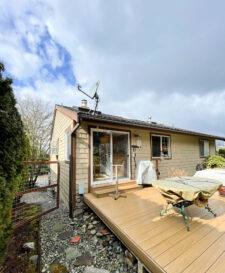
What Conway Homes Actually Need From This Siding
Salt Air Corrosion
Proximity to Skagit Bay means airborne salt settles on exterior surfaces and accelerates corrosion of fasteners, flashing, and any metal trim components. On a board and batten wall, the battens create dozens of extra seams and nail lines compared to standard lap siding — every one of those is a place where the wrong fastener or unprotected metal starts to fail years before the siding field does.
Driving Rain and Wind-Driven Moisture
Conway's open, flat terrain gives wind nothing to slow it down, and rain often arrives at an angle instead of falling straight. Vertical board and batten profiles can actually help shed water when installed correctly, because the battens direct flow downward along clean lines — but that only works if the drainage plane behind the siding is intact. A board and batten wall with a compromised water-resistive barrier or missing rainscreen gap traps moisture behind the boards instead of letting it drain and dry.
Moss and Algae Growth
The extended damp season across Skagit County means anything that stays wet longer than it should will grow moss or algae, and board and batten's raised battens create more surface texture and more shaded micro-climates than a flat wall. The paint or factory finish on the siding needs to actually resist that growth, not just look good on installation day.
What a Correct Board & Batten Job Involves
Board and batten is a system, not just a pattern of boards nailed to a wall. Done right, it includes:
- A continuous water-resistive barrier installed and lapped correctly behind the siding, with every penetration properly flashed
- A rainscreen or drainage gap between the barrier and the siding so any moisture that does get behind the boards can drain and the wall can dry
- Correct fastener placement — face-nailing or blind-nailing per the manufacturer's engineering, into framing, not just sheathing
- Proper batten spacing and reveal that matches the underlying board layout, not just an evenly-spaced grid applied for looks
- Sealed and flashed trim details at corners, window and door openings, and the base of the wall, where board and batten's vertical seams are most vulnerable to wind-driven rain
- A factory-applied finish that holds its seal at every cut edge, which matters more on board and batten than lap siding because there are simply more cut edges exposed per square foot of wall
Skip any one of these and the siding may look right for a season or two before the marine climate here finds the gap.
Why We Only Install James Hardie for This Application
Board and batten is available in several materials — engineered wood, vinyl, and fiber cement among them — and each one behaves differently once it's up against salt air and sustained rain. We standardized on James Hardie fiber cement for every siding job we take on, and board and batten is where that decision matters most, because the extra seams and exposed edges in this style are exactly where an inferior material shows its weaknesses first.
Fiber cement doesn't absorb water the way engineered wood products can at cut edges, and it doesn't expand and contract with temperature swings the way vinyl does — which matters on a wall style with dozens of vertical joints that all need to stay tight over time. James Hardie's HardiePanel and HardieTrim board and batten systems are engineered specifically for this configuration, with a ColorPlus factory finish baked on rather than field-applied, so the color and the moisture seal are part of the manufacturing process, not something added on-site under Skagit County weather. The finish carries a real transferable warranty backed by the manufacturer, not just the installer's word.
We're not going to tell you engineered wood or vinyl board and batten is junk — plenty of it is installed across the county and looks fine for years. What we will say is that after seeing how each material actually ages in this specific climate — the salt exposure, the rain volume, the moss pressure — fiber cement is the only one we're willing to put our name behind and warranty.
Our Process for a Conway Board & Batten Project
- On-site assessment — we look at your home's exposure to prevailing wind and rain direction, existing moisture damage, and how much shade and moss pressure the walls are already dealing with
- Tear-off and substrate check — old siding comes off and we inspect the sheathing underneath for rot or hidden water damage before anything new goes up
- Water-resistive barrier and rainscreen installation — this is the step that determines whether the siding lasts 10 years or 40, and it's not visible once the job is done, so it has to be right the first time
- Board and batten installation — panels and battens go up to manufacturer spec, with fastener placement and spacing that respects both the engineering and the finished look you want
- Trim, flashing, and sealant detailing — corners, openings, and the base of the wall get finished so water is directed out and away from the structure
- Final walkthrough — we go over the finished work with you before we consider the job done
Why a Crew That Already Works Conway Matters
Conway isn't downtown Mount Vernon, and it isn't a generic Skagit County address either — it's low-lying delta land close to saltwater with its own microclimate quirks, drainage patterns, and a building stock that mixes older farmhouses with newer construction. A crew that's worked this specific area knows which walls take the worst of the wind-driven rain, how much moss pressure to expect on shaded elevations near the tree lines and sloughs, and what kind of substrate condition is common under older siding out here. That local pattern recognition shows up in better prep work and fewer surprises mid-project — not just a faster estimate.
It also matters for something more practical: a local crew is easy to reach if a question comes up two years after installation, and stands behind the warranty because they're still working in your neighborhood, not just passing through.
Cost Factors for Board & Batten Siding in Conway
| Factor | Why It Affects Cost |
|---|---|
| Home size and wall area | More square footage means more panels, battens, and fasteners |
| Existing siding removal | Tear-off, disposal, and substrate repair add labor beyond a straightforward re-side |
| Substrate condition | Rot or water damage found underneath old siding needs repair before new siding goes on |
| Batten spacing and reveal | Custom or tighter batten patterns take more layout time and material than standard spacing |
| Trim and detail complexity | Homes with more corners, windows, and rooflines require more precise flashing and trim work |
| Accessibility | Multi-story walls, steep grades, or tight lot lines can affect equipment and labor time |
We don't quote board and batten jobs off a square-footage formula alone — a walk-through of your specific home is the only way to give you a number you can trust.
Maintenance Checklist for Board & Batten in a Marine Climate
- Rinse siding annually to remove salt residue, especially on walls facing prevailing wind off the bay
- Inspect caulking and sealant at trim joints and openings each fall before the wet season sets in
- Watch shaded and north-facing walls for early moss or algae growth and address it before it spreads
- Keep gutters clear so overflow doesn't run down the wall and concentrate moisture at the base
- Trim back vegetation and tree cover that keeps siding shaded and slow to dry after rain
- Have any impact damage or cracked boards repaired promptly — a small gap is how moisture gets behind the wall
Get a Straight Answer for Your Home
If you're weighing board and batten siding for a Conway property, we're glad to come take a look, walk the exterior with you, and give you an honest assessment of what your home needs given its exposure and current condition — no pressure, no generic pitch. Use the form below to request a free estimate.