 Mount Vernon
 Bow's Coastal Climate Asks a Lot of Your Siding
Bow sits in the stretch of Skagit County where farmland runs down toward Samish Bay and the saltwater of Puget Sound. That location is beautiful, but it's tough on a house exterior. Homes here deal with three things at once: salt-laden air drifting off the bay, driving rain that comes in sideways during fall and winter storms, and long stretches of shade and dampness under fir and cedar trees that keep moss and algae growing most of the year. Any one of those would be manageable on its own. Together, they shorten the life of siding that wasn't built for this kind of exposure.
We install fiber cement siding on homes throughout Skagit County, and Bow is one of the areas where the difference between a correctly installed, climate-rated product and a cheaper alternative shows up fastest, usually within the first five to ten years.
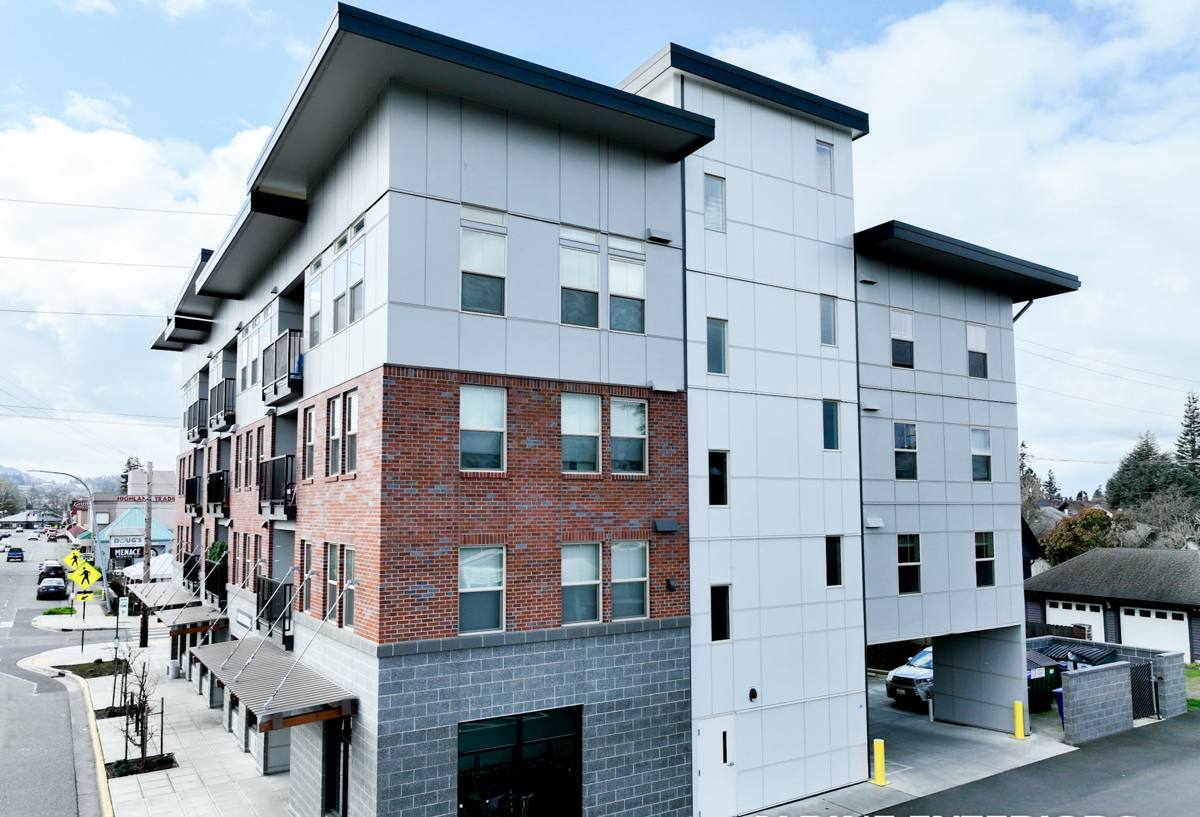
What Salt Air, Rain, and Moss Actually Do to a House
Salt Air
Airborne salt is corrosive to metal fasteners, flashing, and trim, and it accelerates the breakdown of some paints and coatings over time. It doesn't take a beachfront lot to be affected. Bow properties well back from the water still get enough salt drift to matter over a couple of decades.
Driving Rain
Skagit County gets wind-driven rain off the water, and wind-driven rain doesn't just wet a wall's surface. It pushes moisture up under laps, into joints, and behind trim if those details aren't built correctly. Siding that looks fine from the curb can be soaking the wall assembly behind it.
Moss and Algae
Shaded, damp sites, common on wooded Bow lots, grow moss and algae on almost any exterior surface that holds moisture. Moss isn't just cosmetic; where it colonizes seams and laps, it holds water against the siding and works into any gap in the finish.
Why We Only Install James Hardie Fiber Cement
We don't install vinyl, LP SmartSide, primed wood, cedar, or other fiber cement brands like Allura or Cemplank. That's not a marketing line. It's a standard we hold because of what we've seen hold up in this climate and what doesn't. Fiber cement itself isn't new; it resists fire, doesn't rot, and doesn't attract insects the way wood does. But not all fiber cement, and not all siding materials generally, perform the same way in salt air and driving rain.
| Material | Behavior in Salt Air / Wet Climate | Maintenance Load |
|---|---|---|
| James Hardie fiber cement | Engineered moisture and freeze-thaw resistance; factory finish holds color and resists the salt and UV combination | Occasional washing; no repainting on ColorPlus finishes for the warranty term |
| Vinyl siding | Doesn't rot, but flexes, fades, and can warp under wind-driven rain and temperature swings; seams are a moisture path | Low but limited lifespan in harsh exposure; fading is permanent |
| LP SmartSide (engineered wood) | Wood-based core is more moisture-sensitive at cut edges and seams; performance depends heavily on installation and caulking upkeep | Regular caulk and paint maintenance to protect edges |
| Cedar / primed wood | Handsome, but absorbs moisture, needs a finish that salt air and UV break down faster, and is a food source for moss and rot organisms | Frequent refinishing and moss and rot monitoring |
James Hardie builds its HardiePlank and HardiePanel products specifically for regional climate zones, with formulations engineered for wet Pacific Northwest conditions. Combined with a factory-applied ColorPlus finish that's baked on rather than field-painted, it's the product we're willing to put our name behind on a Bow home.
Getting the Installation Right for This Climate
Fiber cement is only as good as the installation behind it. A wall assembly built for Bow's rain and salt exposure needs several details done correctly, every time, not just on the parts that show.
Rain Screen / Drainage Gap
A drainage gap behind the siding lets any water that gets past the surface drain and dry out instead of sitting against the sheathing. This matters more in a driving-rain climate than almost anything else on the wall.
Flashing and Fastening
Window and door flashing, kick-out flashing at roof-wall intersections, and correct fastener spacing keep water from tracking behind the siding at the weak points: corners, penetrations, and butt joints. Stainless or coated fasteners matter more here because of salt exposure.
Clearance and Gaps
Hardie's own installation instructions call for specific clearances from grade, roofing, and decks, and gaps at butt joints for expansion. Skipping these is the single most common cause of early failure we see on fiber cement that was installed by a crew unfamiliar with the product.
Choosing the Right Hardie Line and Profile
Not every Bow home needs the same siding system. We walk through the options based on the house's style, exposure, and your goals.
- HardiePlank lap siding, the most common choice, available in several exposure widths and textures such as smooth and cedarmill
- HardiePanel vertical siding, often used for accents, gables, or a modern look, paired with batten trim
- HardieShingle, a shaped-shingle profile for homes wanting a traditional Northwest look without wood's maintenance
- HardieTrim, matched trim boards for corners, fascia, and window and door surrounds so the whole exterior is one system
James Hardie also engineers its products by climate zone, with HZ5 formulated for the wetter, milder regions like ours, so the product itself accounts for the moisture load Skagit County sees.
Color and Finish That Actually Hold Up
ColorPlus factory finish is baked onto the board in a controlled environment before it ever reaches the site, which gives it more consistent coverage and better adhesion than field-applied paint, and it comes with its own finish warranty. In a climate where UV, rain, and salt all work on a painted surface at once, that matters more than the color choice itself. We still spend time with homeowners on color and profile, because the right choice should suit the house and the neighborhood, not just the spec sheet.
Our Process on a Bow Project
- On-site assessment: we look at existing siding, trim, moisture damage, and the specific exposure of your walls, including which sides take the worst of the rain and salt
- Tear-off and inspection: removing old siding lets us check the sheathing and framing underneath for hidden rot before anything new goes up
- Weather barrier and drainage plane: correctly lapped house wrap or building paper, plus a drainage gap where called for
- Flashing details: windows, doors, roof intersections, and penetrations flashed before siding goes on, not caulked over after the fact
- Hardie installation: plank, panel, or shingle installed to manufacturer clearance and fastening specs
- Trim, caulking, and cleanup: matched HardieTrim, correct sealant at the right joints instead of everywhere, and a clean site when we leave
What Drives Cost on a Bow Fiber Cement Project
| Factor | Why It Matters |
|---|---|
| Home size and wall complexity | More square footage, corners, and roof lines mean more material and labor |
| Existing siding removal | Tear-off of old wood, vinyl, or damaged siding adds time versus a bare wall |
| Hidden sheathing repair | Rot or water damage found during tear-off has to be fixed before new siding goes on |
| Siding profile and trim detail | Shingle profiles and detailed trim packages take more labor than plain lap siding |
| Site access | Wooded or sloped Bow lots can add setup time for scaffolding and material staging |
We give a firm, itemized estimate after the on-site assessment, not a phone-quote guess, so you know what you're paying for before work starts.
Why Hiring a Crew That Already Works in Bow Matters
A contractor who already works Skagit County's coastal side knows which walls on a given lot take the worst rain, how much clearance moss-prone shade requires, and which flashing details actually get tested by this climate instead of a drier one. That's different from general siding experience. We're not learning Bow's weather on your house.
Homeowner Checklist: Vetting a Fiber Cement Contractor
- Are they a certified James Hardie installer, and can they explain why they chose this product?
- Will they inspect and repair sheathing before installing new siding, not just cover it up?
- Do they follow Hardie's published clearance, flashing, and fastening specs, and can they explain them to you in plain terms?
- Do they carry proper licensing and insurance for exterior work in Washington?
- Will you get a written, itemized estimate rather than a rough verbal number?
- Do they offer a real product and workmanship warranty in writing?
Maintaining Fiber Cement Siding in a Salt Air, Moss-Prone Climate
Fiber cement cuts the maintenance load compared to wood, but low-maintenance doesn't mean no maintenance in Bow's climate.
- Rinse siding once or twice a year to clear salt film, pollen, and organic buildup, especially on shaded walls
- Keep gutters clear so overflow doesn't run down the wall and feed moss growth
- Trim back vegetation and tree cover that keeps walls damp and shaded longer than necessary
- Watch caulking at trim joints and re-seal if it cracks or pulls away
- Have flashing and butt joints checked periodically, especially after a hard storm season
If your Bow home's siding is showing moss staining, cupping, soft spots, or paint failure, or you're planning ahead for a replacement, we're glad to walk the exterior with you and give you a straight assessment. Reach out for a free, no-pressure estimate. There's no obligation, and you'll get a clear picture of what your home actually needs.