 Mount Vernon
 Windows in West Mount Vernon Work Harder Than Most
West Mount Vernon sits close enough to the Skagit River delta and the tidal influence of Skagit Bay that homes here deal with a specific mix of weather stress: salt-tinged air moving in off the water, long stretches of driving rain through fall and winter, and a moss and mildew season that can run most of the year in shaded, north-facing exposures. None of that is dramatic on its own, but stacked together over years it's exactly what breaks down window seals, frames, and glazing faster than a homeowner expects.
Older aluminum-frame windows and original wood windows from the area's mid-century and older housing stock are especially prone to this. Aluminum conducts cold straight through the frame, which means condensation forms on the inside during our wet, mild winters — and that moisture, combined with salt air, accelerates corrosion around hardware and fasteners. Wood frames without diligent upkeep absorb moisture at the sill and start to soften from the inside out, often before any rot is visible from the street.
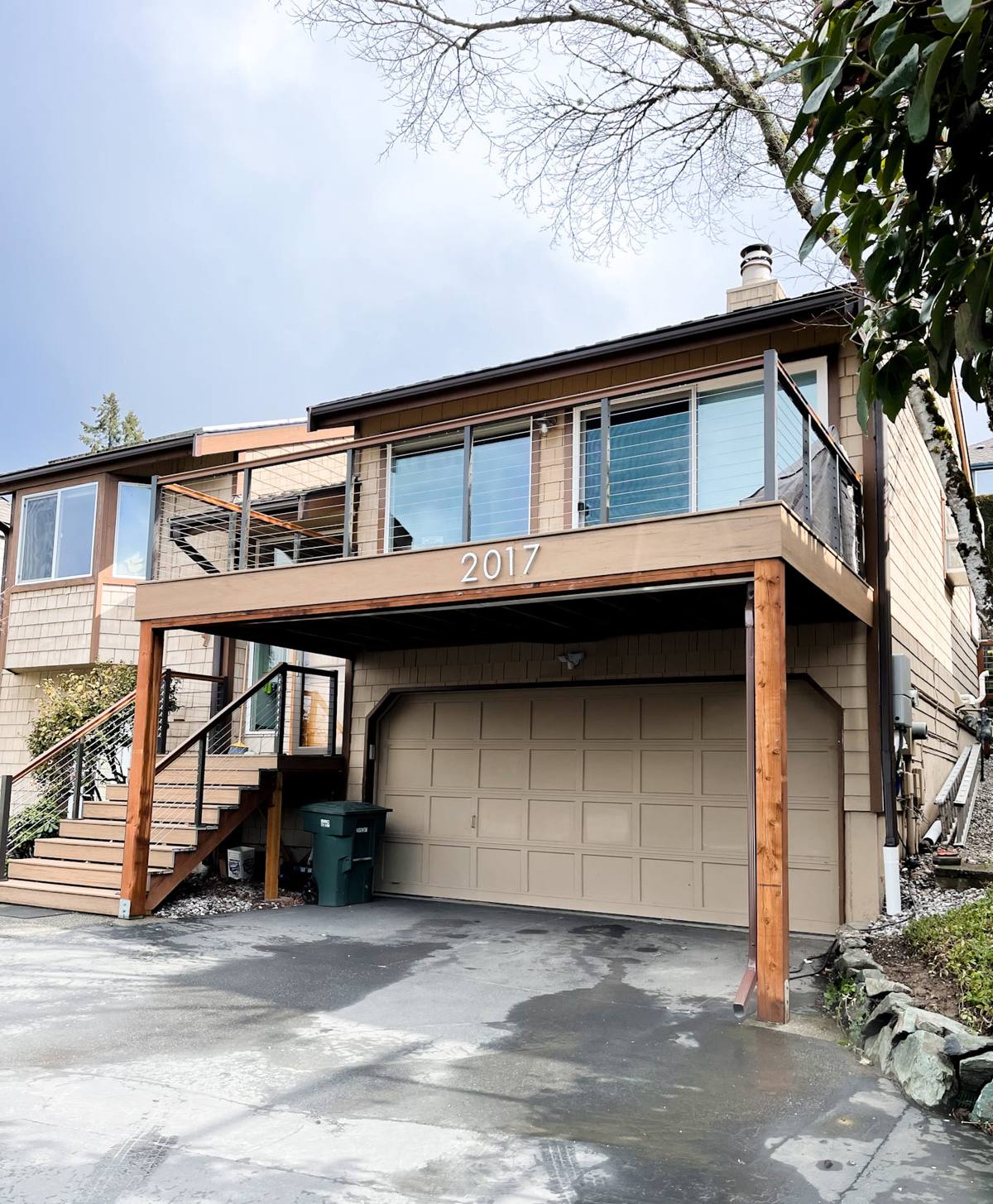
Signs Your Windows Are Losing the Battle
Most window failure in this neighborhood doesn't show up as a shattered pane — it shows up gradually, and homeowners often live with it for a year or two before calling anyone. Watch for:
- Fog or moisture trapped between panes of double-glazed units (a failed seal, not a cleaning problem)
- Cold drafts near the frame edges even when the window is fully latched
- Paint that keeps peeling or bubbling at the same spot on the exterior trim
- Windows that stick, won't latch fully, or have started to sag in the frame
- Visible green or black growth in the corners of the frame or on the sill, especially on shaded walls
- A noticeable jump in heating costs without any other explanation
Any one of these on its own might just need a repair. Several of them together, especially on a house with original windows, usually means the frames and seals have reached the end of their useful life.
What a Correct Replacement Job Actually Involves
Window replacement done right is not just "same size window, new glass." The parts that actually determine whether the job holds up in our climate are mostly invisible once the trim goes back on:
Removing the old unit without damaging the rough opening
The old frame, sill, and surrounding sheathing get inspected the moment the window comes out. This is the point where hidden water damage from a failed seal or bad flashing shows up — and it needs to be dealt with before anything new goes in. Installing a new window over a soft or rotted sill just hides the problem for a couple of years.
Flashing and moisture management
Given how much rain West Mount Vernon sees, the flashing detail around the window opening matters as much as the window itself. Proper flashing tape and a correctly lapped weather-resistant barrier direct water down and out, away from the wall assembly, instead of letting it track behind the siding. This is the step that's easiest to rush and the most expensive to fix later if it's done wrong.
Air sealing and insulation at the gap
The gap between the new window frame and the rough opening needs to be sealed with a low-expansion foam or backer rod and sealant — not stuffed with fiberglass insulation alone, which does nothing to stop air movement. This is where a lot of the draft and energy-loss complaints on older installs actually come from.
Setting the window level, plumb, and square
A window that's slightly out of square will bind, won't seal fully when latched, and will wear out its hardware and weatherstripping years before it should. This takes more time than it sounds like it should, and it's one of the first things that gets skipped when a crew is moving too fast.
Material and Style Choices for This Climate
There's no single "best" window material — the right choice depends on the wall assembly, the home's exposure, and what the homeowner wants to maintain over time. Here's how the common options hold up against our salt air, rain, and moss conditions:
| Frame Material | Moisture / Salt Air Performance | Maintenance | Notes |
|---|---|---|---|
| Vinyl | Very good — won't corrode or rot | Low; occasional cleaning | Most common choice for direct replacements here; budget-friendly range of quality |
| Fiberglass | Excellent — stable in temperature swings, no corrosion | Low | Holds paint well if a custom color is wanted; higher upfront cost |
| Wood (clad exterior) | Good if cladding is intact; vulnerable where cladding is damaged | Higher — exterior cladding and interior wood need periodic attention | Preferred on some older or historic-style homes for interior appearance |
| Aluminum (uncladded) | Poor in this climate — conducts cold, prone to condensation and corrosion near salt air | Moderate to high | We generally steer homeowners away from bare aluminum for full replacements here, mainly due to the condensation and long-term corrosion risk, not because it can't function at all |
Glass packages matter just as much as the frame. Double-pane, low-E glass with an argon fill is the practical standard for this area — it cuts heat loss and reduces condensation risk on the interior pane during cold, wet stretches. Triple-pane is available and does perform better thermally, but for most homes here the added cost doesn't pencil out compared to a good double-pane, low-E unit.
Our Process, Start to Finish
- On-site assessment — we look at every window being considered, not just the ones you've noticed problems with, since failing seals and soft sills aren't always obvious from inside the house.
- Honest scope and estimate — you get a clear breakdown of what's being replaced, what condition the rough openings are in, and what that means for cost, in writing.
- Scheduling around the weather — we plan install windows with an eye on the forecast, since an opening should never sit exposed to rain longer than necessary.
- Removal and inspection — old units come out, and any hidden moisture damage gets flagged and addressed before installation continues.
- Flashing, sealing, and setting the new window — done to hold up specifically against wind-driven rain, not just pass a quick visual check.
- Interior and exterior trim, cleanup — job site left clean, hardware tested, and everything walked through with you before we call it done.
What Affects the Cost
Every home is different, but the main variables that move the price on a West Mount Vernon window replacement are consistent from job to job:
| Factor | Why It Matters |
|---|---|
| Number of windows and sizes | Larger and custom-sized openings cost more than standard sizes |
| Frame material chosen | Vinyl, fiberglass, and clad-wood sit at different price points |
| Condition of the rough opening | Hidden rot or old flashing failures add repair work before install |
| Glass package | Standard double-pane low-E vs. upgraded coatings or triple-pane |
| Access and story height | Second-story or hard-to-reach windows take more time and equipment |
We don't quote broad "starting at" numbers over the phone for this reason — the honest number depends on what we find at the house, and we'd rather give you a real figure than a low one that changes later.
Why Hiring a Crew That Works This Area Matters
A window that's correctly installed for a drier inland climate isn't automatically correct for West Mount Vernon. The flashing detail, the choice to avoid bare aluminum, and the attention paid to sill condition during removal are all judgment calls that come from having actually seen what Skagit County's rain and salt air do to windows over time. A crew that installs here regularly knows which parts of a house tend to hide moisture damage, which exposures need extra attention to moss and mildew, and which shortcuts always come back to bite the homeowner within a few winters.
It also matters for warranty follow-through. If a seal fails or a frame settles a year or two after install, a local, established contractor is the one who's still around and easy to reach — not a crew that moved on to another region.
Simple Upkeep Checklist for New Windows
- Wipe down frames and tracks every few months to clear salt residue and grit
- Check and clear weep holes on the exterior sill so water can drain properly
- Inspect exterior caulking annually and touch up before gaps widen
- Keep gutters and downspouts clear so runoff doesn't sheet across window openings
- Address any moss or algae growth near frames early, before it holds moisture against the finish
If your windows are drafty, fogging, or just past their prime, we're happy to take a look and give you a straightforward assessment — no pressure, no sales script. Fill out the form below for a free estimate on your West Mount Vernon home.