 Mount Vernon
 Siding Replacement Built for West Mount Vernon's Weather
West Mount Vernon sits close enough to the tidal reaches of the Skagit River and the broader Puget Sound air mass that homes here take on a specific mix of punishment: salt-tinged air drifting in off the water, long stretches of driving rain through fall and winter, and a moss and algae season that can run most of the year in shaded, north-facing spots. None of that is dramatic on its own. What it does is wear siding down slowly, from the back side out, in ways that aren't always obvious from the curb until the damage is well underway.
Siding replacement in this neighborhood isn't just a cosmetic upgrade. Done right, it resets the moisture-management system behind the cladding — the housewrap, the flashing, the drainage plane — that actually protects the framing. Done wrong, or done with the wrong material, it just delays the same problems for a few years instead of solving them.
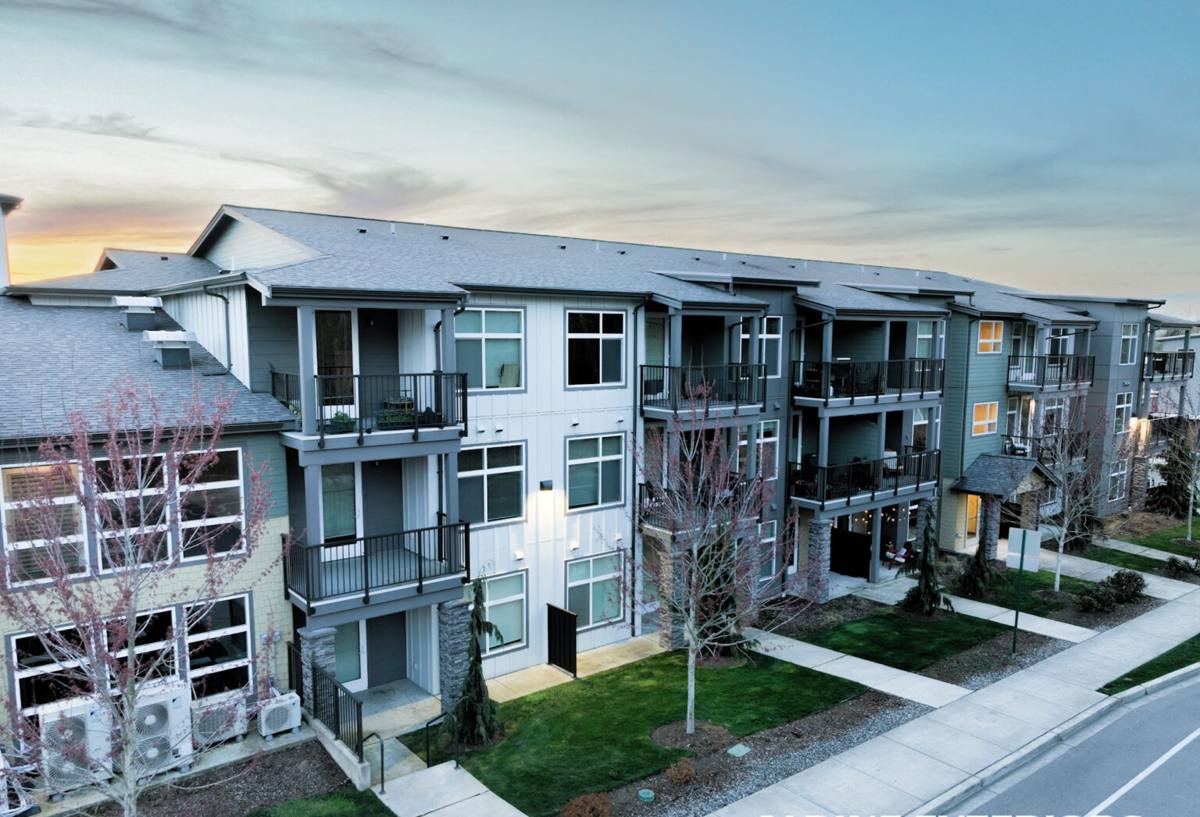
What Skagit County Weather Does to Siding Over Time
Salt Air and Slow Corrosion
Homes closer to the water pick up airborne salt that settles on siding, trim, and fasteners. Over years, that accelerates corrosion on lower-quality nails and staples, and it breaks down paint films and cheaper composite materials faster than a manufacturer's warranty documentation usually accounts for.
Driving Rain and Wind-Driven Moisture
West Mount Vernon gets rain that doesn't fall straight down — storms off the Sound push it sideways into wall assemblies, especially on west- and south-facing elevations. Any gap in flashing, any lap joint that isn't sealed correctly, becomes an entry point. Wood-based siding swells and splits when it stays wet; the framing behind bad siding can rot long before anyone notices a problem on the surface.
Moss, Algae, and Constant Dampness
Shaded north walls, roof valleys, and anywhere siding sits close to landscaping tend to stay damp for extended stretches. That's ideal growing conditions for moss and algae, which trap moisture against the siding surface and keep it from drying out between rain events — a slow, cumulative stress that shows up as discoloration, soft spots, and eventually structural decay in vulnerable materials.
Signs a West Mount Vernon Home Needs Siding Replaced, Not Just Patched
- Soft or spongy spots when you press on the siding, especially near the bottom courses and around window trim
- Paint that keeps failing in the same spots within a year or two of repainting
- Visible gaps, warping, or buckling along horizontal laps
- Persistent moss or algae staining that returns quickly after cleaning
- Rising energy bills with no other explanation — often a sign the wall assembly behind the siding has lost its seal
- Siding that's original to a home built more than 20-25 years ago, particularly if it's wood-based composite
Any one of these can sometimes be handled with a repair. Several at once, especially combined with visible rot at trim boards or corners, usually means the underlying moisture barrier has failed and a full replacement is the honest recommendation.
What a Correct Siding Replacement Actually Involves
A siding job is only as good as what happens before the new material goes up. In a climate like this one, skipping steps here is exactly how a home ends up back in the same position in five or ten years.
Full Tear-Off and Inspection
We remove the old siding down to the sheathing and inspect it. Any soft, rotted, or water-damaged sheathing gets identified and repaired before anything new goes on — covering over damaged sheathing with new siding just hides a problem that keeps getting worse.
Correct Water-Resistive Barrier
A properly lapped, properly sealed housewrap gives the wall a drainage plane, so any moisture that does get past the siding has somewhere to go instead of sitting against the framing. In a driving-rain climate, this layer matters as much as the siding itself.
Flashing at Every Penetration
Windows, doors, hose bibs, vents, and any other wall penetration need flashing detailed correctly, not just caulked over. Caulk fails; flashing sheds water by design and keeps working long after caulk has cracked.
Proper Fastening and Clearances
Fasteners need to be corrosion-resistant and driven to manufacturer spec — too tight or too loose both cause problems over time. Siding also needs proper clearance from grade, roof lines, and decks so it isn't sitting in standing water or trapped moisture from day one.
Why We Install Only James Hardie Fiber Cement
We don't install vinyl, LP SmartSide, primed wood, cedar, or other fiber cement brands. That's a deliberate standard, not a limitation of what we're capable of installing.
Vinyl and engineered wood products can perform reasonably well in the right conditions, but in a climate that combines salt air, sustained rain, and near-constant dampness in shaded areas, they carry real trade-offs: vinyl can warp or crack with temperature swings and doesn't stop moisture from wicking at seams; engineered wood siding is more sensitive to sustained moisture exposure at cut edges and butt joints, which is exactly where this climate applies the most pressure. James Hardie fiber cement is non-combustible, doesn't swell or rot the way wood-based products can, and holds its factory-applied ColorPlus finish far longer than field-applied paint on other materials. Hardie also engineers specific product lines for different climate zones, which matters in a place that sees this much sustained wet weather.
We'd rather stand behind one product system we trust completely than install several and hope each one holds up.
Comparing Siding Approaches for This Climate
| Factor | Vinyl | Engineered Wood | James Hardie Fiber Cement |
|---|---|---|---|
| Moisture resistance | Sheds water but seams can wick moisture | Vulnerable at cut edges and joints if not sealed and maintained | Engineered to resist moisture damage; won't rot |
| Finish longevity | Color can fade unevenly over years | Field-painted finish needs repainting cycles | Factory ColorPlus finish holds color long-term |
| Combustibility | Combustible material | Combustible material | Non-combustible |
| Salt air / algae exposure | Moderate performance | Sensitive; algae and moisture compound wear | Holds up well with normal cleaning |
| Typical warranty structure | Varies widely by brand and thickness | Often shorter, prorated | Strong transferable manufacturer warranty |
Our Process for a West Mount Vernon Siding Replacement
Because we already work regularly in and around Mount Vernon, we're familiar with the wall assemblies typical of homes in this area and the specific weather stresses West Mount Vernon properties face depending on their orientation and exposure.
- On-site assessment: we walk the exterior, check for soft spots, examine trim and flashing, and look at drainage around the foundation.
- Written scope and estimate: a clear breakdown of what's being replaced, what product line and profile we're recommending, and why.
- Tear-off and sheathing repair: old siding comes off, damaged sheathing gets addressed, and the wall is prepped correctly before anything new is installed.
- Weather barrier and flashing installation: housewrap, flashing, and drainage details are installed to manufacturer and code standards, not shortcuts.
- Hardie installation: siding is installed to James Hardie's fastening, clearance, and joint specifications, which is what keeps the manufacturer warranty valid.
- Final walkthrough: we go over the finished work with you before calling the job done.
What to Expect During the Job
Most full siding replacements on a typical single-family home take one to two weeks depending on size, weather windows, and how much sheathing repair is needed once the old siding comes off. Fall and winter work in this area means we plan around rain rather than around it interrupting mid-install — tear-off is scheduled in sections so the home isn't left exposed longer than necessary.
What Homeowners Should Check Before Hiring a Siding Crew
- Do they carry proper licensing and insurance, and will they show you documentation without hesitation
- Do they inspect and repair sheathing, or just install over whatever is already there
- Do they detail flashing at windows, doors, and penetrations, or rely mainly on caulk
- Are they a certified installer for the siding brand they're proposing, which affects whether the manufacturer warranty is even valid
- Do they give you a written scope that specifies product line, fastening method, and clearances — not just a price
- Do they have experience with homes in this specific area and its weather exposure
A siding replacement is a large investment that's supposed to last decades. A crew that can't answer these questions clearly is a crew that hasn't thought through the details that actually determine how long the job lasts.
Cost Factors to Understand Before You Budget
Every home is different, so we won't quote numbers here that don't apply to your specific project — but the factors that move a siding replacement estimate up or down are consistent: the size and complexity of the home's exterior, how much of the existing sheathing needs repair once old siding comes off, the number of windows, doors, and trim details, the Hardie product line and profile selected, and site access. A written, itemized estimate after an on-site look is the only way to get numbers that actually mean something for your home.
If your West Mount Vernon home is showing signs of aging siding, or you just want an honest read on where things stand, we're happy to come take a look. The estimate is free, there's no pressure, and you'll get a straight answer about what your home actually needs — use the form below to get started.