 Mount Vernon
 Roofing Around Clear Lake: A Different Kind of Wear
Clear Lake sits in a pocket of Skagit County that takes weather from two directions at once. Moist air off the lake and the surrounding timber keeps roof surfaces damp longer than they'd stay in a drier, more open part of Mount Vernon, and the marine influence that reaches up the valley from the Salish Sea adds a steady dose of salt-laden air on top of it. That combination — shade, standing moisture, and salt exposure — is exactly what accelerates moss growth, granule loss, and corrosion on fasteners and flashing. A roof here doesn't fail because of one big storm. It fails gradually, from moisture that never fully dries out between rain events.
None of that means a Clear Lake roof needs to be exotic or over-built. It means the materials, ventilation, and detailing have to match the actual conditions instead of a generic spec sheet. That's the difference between a roof that looks fine for five years and one that performs for its full warranty life.
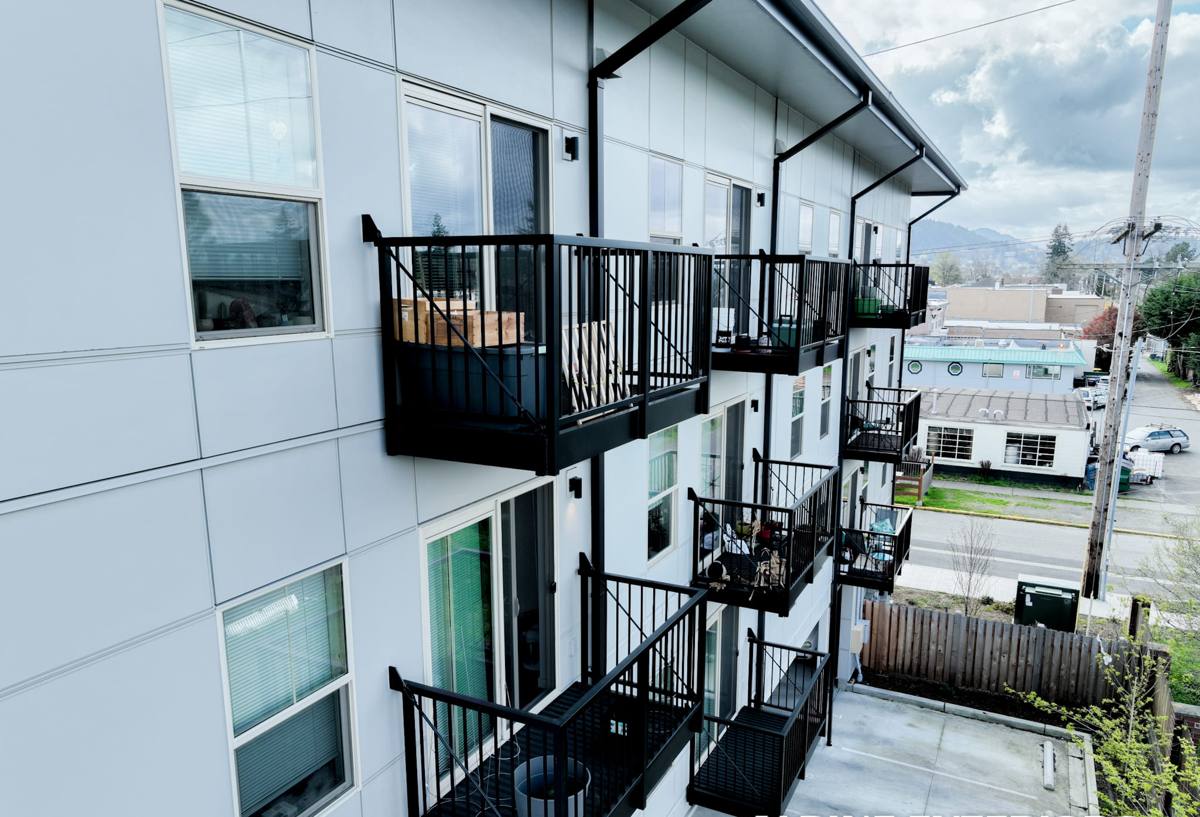
What Clear Lake's Climate Actually Does to a Roof
Moss and Organic Growth
Tree cover around the lake and the general dampness of the area create ideal conditions for moss, lichen, and algae. Left unaddressed, moss holds water against the roof surface, lifts shingle edges, and works its way under flashing. On older roofs we see moss doing damage well before the shingles themselves are worn out.
Driving Rain and Wind-Driven Water
Rain in this part of Skagit County rarely falls straight down. Wind pushes it sideways under eaves, around chimneys, and into any gap in flashing or underlayment that a calmer climate could get away with. Roofs here need underlayment and flashing details built for water that's actively trying to find a way in sideways, not just from above.
Salt Air and Metal Fatigue
Even set back from the water, the region gets enough salt-bearing air to speed up corrosion on exposed fasteners, flashing, and any lower-grade metal components. Over years, that corrosion opens tiny leak paths long before the rest of the roof looks like it needs attention.
Signs a Clear Lake Roof Needs Replacement, Not Another Repair
- Moss has come back repeatedly after cleaning, especially on north-facing or shaded slopes
- Granules are collecting in gutters and downspouts in noticeable amounts
- Shingles are cupping, curling, or cracking, particularly on the sections that get the most shade and moisture
- You've had two or more leak repairs in different spots within the last few years
- Flashing around chimneys, skylights, or wall intersections is rusted, lifted, or was never properly step-flashed
- The roof deck feels soft, spongy, or shows sagging when viewed from the ground or attic
- The roof is nearing or past the manufacturer's expected service life for its material and this exposure
A single leak or a patch of damaged shingles is usually a repair. Widespread granule loss, recurring moss damage, or deck-level moisture problems are signs the underlayment and roof system as a whole have reached the end of their useful life — patching those spots just buys a little time before the next leak shows up somewhere else.
What a Correct Roof Replacement Involves
A roof replacement is only as good as what's underneath the shingles. In a climate like Clear Lake's, cutting corners on the parts you can't see is where roofs actually fail.
Tear-Off and Deck Inspection
We remove the existing roofing down to the deck rather than layering over it. That lets us actually see the sheathing, find any soft or water-damaged sections, and replace them before anything new goes down. Roofing over a compromised deck just hides a problem that will resurface as a leak or a soft spot later.
Ice-and-Water Protection and Underlayment
Given how much wind-driven rain this area sees, we pay particular attention to self-adhering ice-and-water barrier at eaves, valleys, and around every roof penetration, backed by a synthetic underlayment across the full field. This is the layer that protects the house if wind ever pushes water past the shingles themselves.
Flashing Done Right
Chimneys, skylights, dormers, and wall-to-roof transitions are where most leaks actually originate — not the open field of shingles. Proper step flashing, counter-flashing, and sealed penetrations matter more here than almost anywhere else on the roof, and they're worth the extra time to get right the first time.
Ventilation
A roof system needs balanced intake and exhaust ventilation to let moisture escape from the attic space. In a damp climate, poor ventilation traps humidity against the underside of the deck, which shortens the life of the roof from the inside out and can contribute to the same moss and organic growth problems on the surface. We check existing ventilation as part of every replacement and correct it where it's inadequate.
Fasteners and Metal Components
Given the salt exposure in this area, we use corrosion-resistant fasteners and flashing rather than the bare-minimum hardware some jobs get away with in drier inland climates. It costs a little more up front and saves a service call five years down the road.
Material Options for Clear Lake Homes
| Material | Typical Lifespan Here | Moss/Moisture Resistance | Notes for This Climate |
|---|---|---|---|
| Architectural asphalt shingle | 25–30 years | Good with algae-resistant granules | Most common choice; budget-friendly and widely available in colors that suit the area |
| Standard 3-tab shingle | 15–20 years | Fair | Lower upfront cost but shorter service life in a damp climate; we generally steer clients toward architectural shingles instead |
| Metal (standing seam or panel) | 40–50+ years | Excellent — sheds moss and moisture well | Higher upfront cost; performs very well against driving rain and salt air when properly coated and fastened |
| Composite/synthetic shake or slate | 30–50 years | Good | Good option where a homeowner wants a shake look without the moisture retention of real wood |
We don't install untreated cedar shake as a roofing material on homes in this area. It's a maintenance-intensive product in a climate this damp, and the moisture retention that makes it attractive aesthetically is the same property that shortens its life and invites moss and rot here. If a homeowner wants that look, a composite shake product gets closer to the appearance without the same upkeep burden.
What Drives the Cost of a Clear Lake Roof Replacement
| Factor | Why It Matters |
|---|---|
| Roof size and pitch | More surface area and steeper pitches take longer to tear off and install, and steep roofs require more safety setup |
| Number of layers to remove | Roofs with multiple layers of old shingles take longer to strip and dispose of |
| Deck condition | Rotted or soft sheathing found during tear-off needs to be replaced before new roofing goes down |
| Material choice | Asphalt, metal, and composite products carry different material and labor costs |
| Number of penetrations | Chimneys, skylights, and vents each require careful flashing work, which adds time |
| Ventilation upgrades | Adding or correcting intake/exhaust vents is a smaller cost during a full tear-off than as a standalone project later |
Most full roof replacements on typical homes in this area fall into a broad mid-five-figure range for asphalt systems, with metal roofing running higher. The only way to get an accurate number is a hands-on inspection — we won't quote a price without walking the roof first.
Our Process
- On-site inspection. We walk the roof, check the deck where accessible, look at ventilation, and note the condition of flashing and penetrations.
- Written estimate. You get a clear scope of work and price before anything is scheduled — no vague allowances.
- Material selection. We walk through options suited to your home's exposure, budget, and the look you want.
- Tear-off and deck repair. Old roofing comes off, the deck is inspected, and any damaged sheathing is replaced.
- Underlayment, flashing, and installation. Ice-and-water barrier, underlayment, flashing, and the new roofing system go on in that order, with attention to ventilation throughout.
- Cleanup and final walkthrough. Site is cleared of debris and nails, and we walk the finished roof with you before calling the job done.
Why Local Experience in Clear Lake Matters
A crew that regularly works this part of Skagit County already knows which slopes on a given lot type hold moss the longest, how much wind-driven rain a given roof pitch actually sees, and which flashing details tend to fail first in this environment. That's not something you get from a general specification sheet — it comes from doing the work here repeatedly and seeing what holds up and what doesn't. It also means faster response if you ever need a warranty check or a question answered, because we're not driving in from across the region.
Questions to Ask Before You Hire
- Will you do a full tear-off, or is a layover being proposed?
- What underlayment and ice-and-water barrier will be used, and where specifically will it be installed?
- How will you handle ventilation — is it being assessed at all?
- What's the plan for existing moss or organic growth found during tear-off?
- Are you licensed and insured in Washington, and can you provide proof?
- What does the manufacturer's warranty actually cover, and what does your own workmanship warranty cover separately?
- Who is doing the physical work — your own crew or subcontractors?
A roofer who answers these questions clearly and specifically, without vague reassurances, is usually the one who'll do the job right.
If you're seeing moss buildup, granule loss, or an aging roof on your Clear Lake home, we're happy to take a look and give you a straightforward, no-pressure estimate. Use the form below to get started.