 Mount Vernon
 Decks in Riverside Live a Harder Life Than People Expect
Riverside sits close enough to the water and the lowland weather patterns that roll through Mount Vernon that a deck here works harder than one in a drier inland town. Salt-tinged air off the Skagit River corridor, long stretches of driving rain, and a moss season that can run from fall through spring all chip away at a deck that wasn't built with this specific climate in mind. We've seen decks that looked fine on install day turn soft, slick, or corroded within a few years because the materials or details underneath weren't matched to what Riverside actually throws at a structure.
A deck built for Riverside isn't a different product than a deck built anywhere else — it's the same craft applied with more attention to moisture management, fastener choice, and airflow underneath. That's the difference between a deck that needs real repair work in year five and one that's still solid at year twenty.
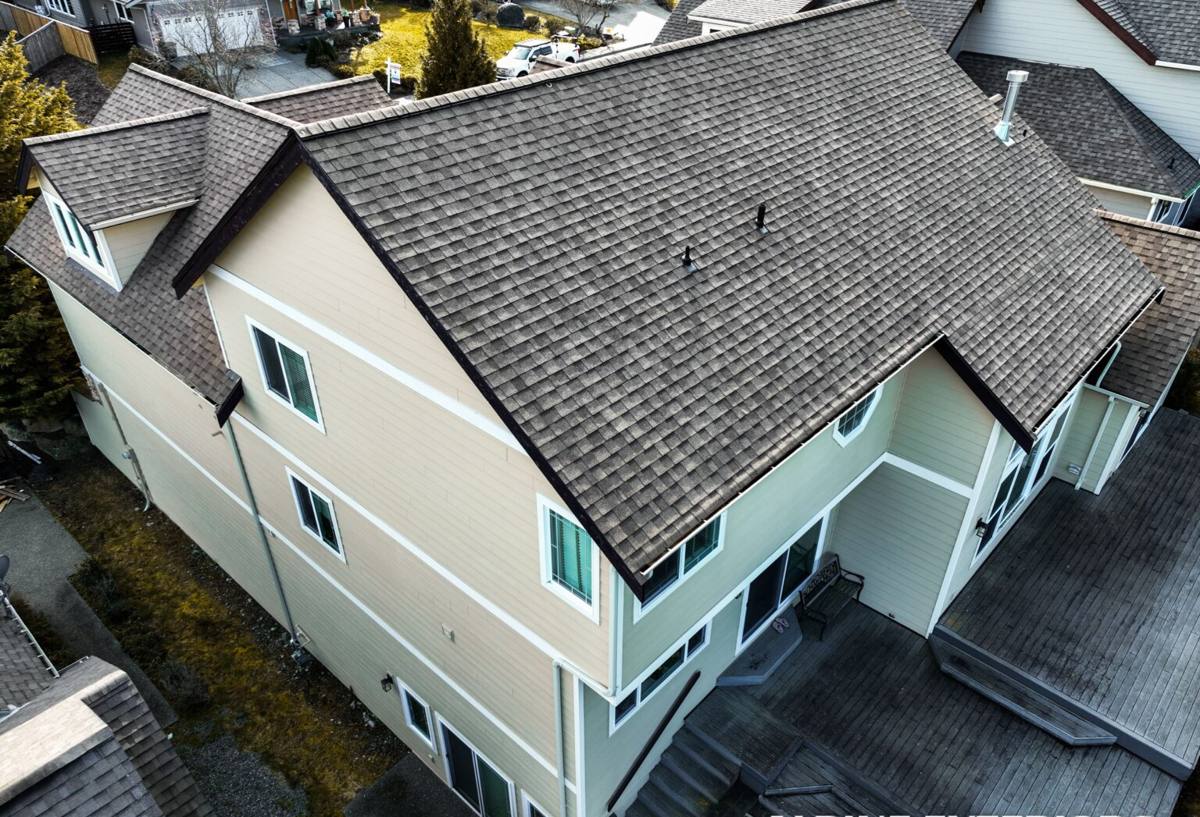
What Local Conditions Actually Do to a Deck
Salt Air and Metal Fatigue
Airborne salt doesn't need to be blowing off the ocean directly to cause problems — moisture-laden air moving through the river valley carries enough salt content to accelerate corrosion on fasteners, brackets, and railing hardware over time. Cheap or mismatched metal is where this shows up first: screws backing out, brackets staining and weakening, railing posts loosening at the base.
Driving Rain
Mount Vernon doesn't just get rain, it gets rain pushed sideways by wind often enough that water finds its way into joints, ledger connections, and any gap that wasn't properly flashed or sealed. Water that gets trapped rather than shed is what rots framing from the inside, long before the surface boards show any sign of trouble.
Moss Season
A long, damp moss season means any deck surface that doesn't drain and dry between rain events becomes a moss and algae host. Beyond looking neglected, a mossy deck surface is a genuine slip hazard, especially on stairs — and moss holding moisture against boards speeds up decay underneath it.
What a Correctly Built Riverside Deck Involves
Getting this right isn't about a single product — it's a set of decisions that work together:
- Ledger board flashing that actually sheds water away from the house rim joist, not just a bead of caulk
- Joist tape or comparable protection on any cut or fastened surface of pressure-treated framing
- Fasteners and structural hardware rated for the specific decking and framing material combination, matched to avoid galvanic corrosion between dissimilar metals
- Board spacing and orientation that lets water drain through rather than pool on the surface
- Enough clearance and airflow underneath the deck so the structure can actually dry out between storms
- A surface material chosen with moss and algae growth in mind, not just upfront cost
Skip any one of these and the deck will likely still look fine for a while. The problems that Riverside's climate causes are almost always slow and hidden — which is exactly why they're expensive to fix once they surface.
Framing and Structure: Getting the Bones Right
The structure underneath is the part nobody sees and the part that determines whether the deck lasts. We frame with attention to drainage paths from the start — joists spaced and sloped so water moves off the frame instead of sitting on it, and ledger connections detailed so the house wall stays dry behind the deck rather than absorbing runoff for years. Post footings are set to local frost and soil conditions, and hardware connections are sized to actual load, not just what's minimally required to pass.
This is also where a lot of older decks in the area show their age. If you're dealing with an existing deck that feels spongy at the ledger, has visible rust streaking from fasteners, or has posts that wobble more than they used to, those are structural symptoms worth having looked at before they become a safety issue rather than a maintenance item.
Choosing Decking Material for This Climate
There's no single "best" decking material — there's a best fit for how much maintenance you want to do and how the surface will hold up against local moisture and moss. Here's how the common options actually compare for a Riverside deck specifically:
| Material | Moisture/Moss Behavior | Maintenance | Typical Lifespan Here |
|---|---|---|---|
| Pressure-treated wood | Prone to moss and mildew if not cleaned and sealed regularly | Annual cleaning, periodic sealing/staining | 10-15 years with upkeep |
| Cedar | Naturally more rot-resistant but still needs sealing against constant damp | Sealing every 1-2 years | 15-20 years with upkeep |
| Composite decking | Doesn't rot, but surface can still host moss/algae if it stays wet and shaded | Periodic washing, no sealing needed | 25-30+ years |
| PVC/capped composite | Best moisture resistance, low organic material for moss to grip | Occasional washing | 25-30+ years |
We install all of these depending on budget and preference, but we're upfront about the trade-off: a wood deck in Riverside's climate is only as good as the maintenance schedule behind it. If you're not going to keep up with sealing and cleaning, a composite or capped product will save you from the slow degradation that untreated wood sees here.
Railings, Hardware, and Avoiding Corrosion Problems
Railing posts and hardware take the brunt of salt-air exposure because they're the most exposed vertical surfaces on the structure. Mixing incompatible metals — say, an aluminum bracket against untreated steel fasteners — sets up galvanic corrosion that eats away at the weaker metal, sometimes within a few years in this kind of air. We match fastener and bracket material to the framing and decking product specifically to avoid that, and we pay attention to it on every connection point, not just the ones that are visible.
Drainage and Moss Prevention by Design
The single biggest factor in whether a Riverside deck stays moss-free is airflow and drainage, not the cleaning product used after the fact. Decks built too close to grade, with poor underside ventilation, or with board spacing too tight will hold moisture long after a storm passes and give moss the damp, shaded conditions it needs. We address this at the design stage — proper deck height off grade, gapping between boards appropriate to the material, and where needed, gutters or drip edges above the deck to reduce the amount of runoff hitting the surface directly.
Our Process for a Riverside Deck Project
Every project starts with a look at the site conditions specific to the lot — sun exposure, prevailing wind and rain direction, existing drainage, and what's attaching to the house. From there:
- On-site assessment and honest conversation about material options and budget
- Design and layout that accounts for drainage, sun/shade patterns, and how the deck ties into the house
- Permit handling through the City of Mount Vernon where the project requires it
- Framing built to shed water, not just meet minimum code
- Decking and railing installation with corrosion-appropriate hardware throughout
- Final walkthrough so you know what maintenance, if any, the material you chose actually needs
We don't push a single product line. Some homeowners want the lowest-maintenance option and are happy to spend more upfront on composite or PVC decking; others prefer the look and lower cost of wood and are fine with the sealing schedule that comes with it. Our job is to lay out the honest trade-offs so the decision matches how you actually want to live with the deck.
Permits and Local Requirements
Most new decks and many significant deck rebuilds in Mount Vernon require a building permit, particularly when the deck is attached to the house or elevated above a certain height. Requirements can shift, and Skagit County's proximity to floodplain zoning in some areas adds an extra layer of review in certain lots. We handle the permit process as part of the job rather than leaving it for the homeowner to sort out, so the deck is built to what the city actually requires, not just what looks reasonable.
Why It Matters That We Already Work in Riverside
A crew that mostly builds decks in drier, inland climates can still build a deck that looks right on install day. The difference shows up three, five, ten years later — in whether the ledger flashing actually kept water out of the rim joist, whether the hardware held up against the salt-touched air, and whether the surface stayed usable through a Skagit County moss season instead of turning into a slip hazard by January. Working regularly in Riverside means we're not guessing at how the local climate behaves — we've seen what holds up and what doesn't, and we build accordingly from the first framing decision.
If you're planning a new deck or dealing with an aging one that's starting to show the wear this climate causes, we're happy to come take a look and talk through honest options. There's no pressure and no cost to get a straightforward estimate — just fill out the form below and we'll go from there.