 Mount Vernon
 Storm Damage Roof Repair Built for Edison's Coastal Conditions
Edison sits close enough to Samish Bay and Padilla Bay that homes here take a different kind of weather beating than roofs a few miles inland in Mount Vernon. The combination of salt-laden air, wind-driven rain off the water, and a moss season that runs longer than most homeowners expect means storm damage in Edison rarely shows up as one clean, obvious problem. It's usually a mix of things layered on top of each other — a few lifted shingles from the last windstorm, granule loss from years of driving rain, and moss that's been quietly working its way under tabs since fall. Our job is to sort out what's actually storm damage, what's wear and tear, and what needs attention now versus what can wait.
This page covers what we look for, what a proper repair actually involves, and why a crew that already works in and around Edison catches things a general contractor passing through might miss.
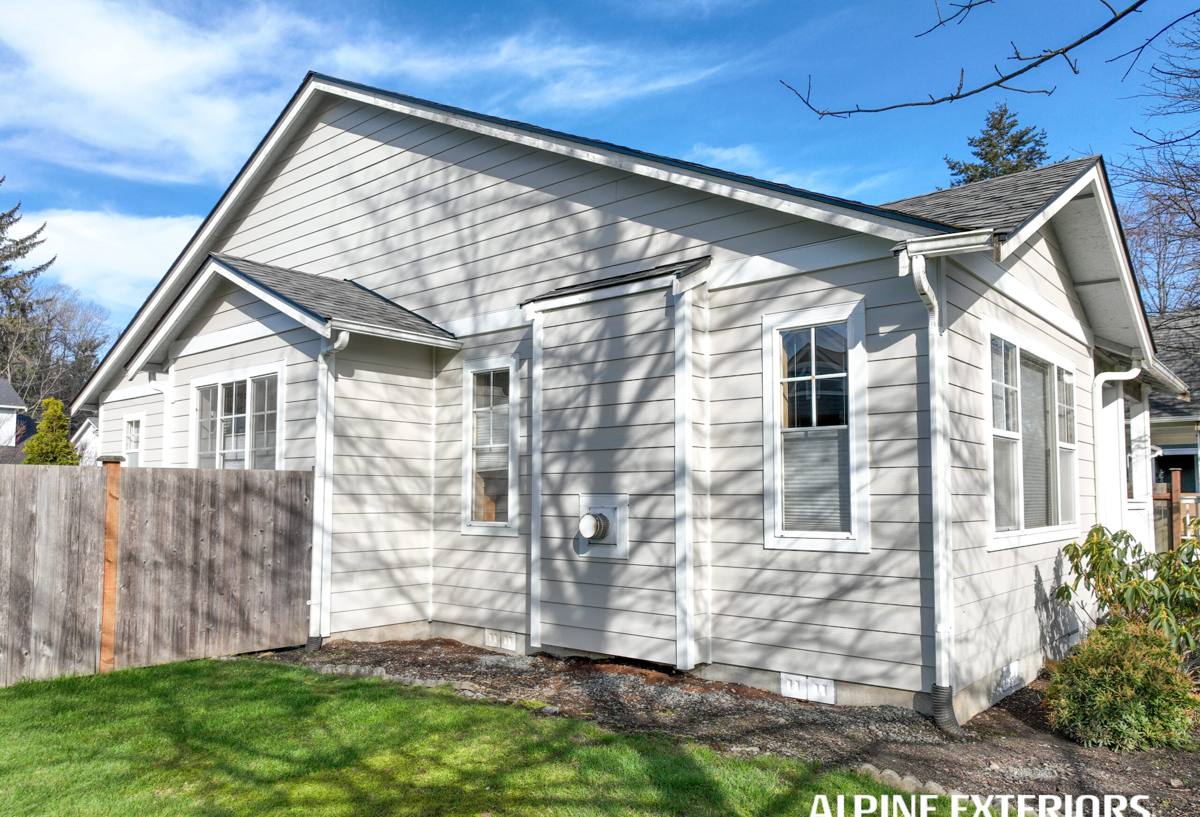
Why Edison Roofs Take a Different Kind of Beating
Salt Air and Metal Fatigue
Homes close to the water deal with airborne salt that settles on roofing metal — flashing, vent caps, gutters, fasteners — and speeds up corrosion compared to the same materials a few miles inland. A flashing detail that would last decades in a drier, saltier-air-free spot can start pitting and weakening years earlier here. Storms don't create this problem, but they expose it: a wind event that would barely trouble a healthy flashing seam can tear through one that's already been quietly corroding.
Driving Rain and Water Intrusion
Wind off the bay doesn't just blow rain down — it drives it sideways and up under laps, ridge caps, and anywhere a seal has started to fail. This is why storm damage in Edison often shows up as interior water stains days or weeks after the actual weather event, once enough rain has been pushed into a compromised spot. A roof that looks fine from the ground can still be taking on water during every wind-driven rain until someone gets eyes on it up close.
Moss Season
Skagit County's damp, mild climate gives moss a long growing window, and Edison's tree cover and moisture levels make it worse than drier parts of the county. Moss holds water against the roof surface, lifts shingle edges as it grows, and gives wind a place to grab and peel. A storm hitting a moss-covered roof tends to do more damage than the same storm hitting a clean one, because the moss has already loosened the shingles' grip.
What Storm Damage Actually Looks Like Here
Homeowners often expect storm damage to be dramatic — missing shingles scattered across the yard. Sometimes it is. More often, especially in Edison, it's subtler:
- Shingle tabs that lifted and re-sealed slightly out of place, leaving gaps for the next rain to find
- Granules collecting in gutters or at downspout outlets after a hard wind-rain event
- Flashing around chimneys, skylights, or roof-to-wall transitions pulled loose or bent
- Ridge cap shingles cracked or partially detached from wind uplift
- Soft or discolored ceiling spots inside that appeared after a storm but weren't investigated right away
- Moss mats that shifted or partially tore loose during high wind, taking granules and shingle material with them
None of these need to be catastrophic to matter. Left alone through another storm cycle, small issues compound into deck damage, insulation damage, and interior repairs that cost far more than the roof work would have.
Our Storm Damage Assessment Process
1. Ground and Interior Check First
Before anyone gets on the roof, we walk the property and check inside for water stains, soft drywall, or musty smells in the attic — signs of intrusion that point us toward the right area once we're up top.
2. Full Roof Inspection
We inspect the whole roof, not just the area the homeowner is worried about. Wind and rain damage in one section often means stress on the whole system, and a storm that lifted shingles on one slope may have loosened flashing or ridge caps elsewhere that haven't failed yet.
3. Documented Findings
We note exactly what's damaged, what's pre-existing wear, and what's likely to fail soon if not addressed. This distinction matters — it's the difference between a repair estimate you can trust and one that either underscopes the work or pads it with things the storm didn't actually cause.
4. Honest Repair-vs-Replace Recommendation
Most storm damage is repairable. We'll tell you plainly when a repair makes sense, and just as plainly when the roof's overall condition means a repair would be a short-term patch on a system that's near the end of its life.
What a Correct Repair Involves
A storm damage repair isn't just replacing whatever shingles are visibly missing. Done right, it includes:
- Removing and replacing damaged shingles with matching material, not just the closest available color
- Checking and resealing or replacing compromised flashing, especially around penetrations and roof-to-wall joints
- Inspecting the decking underneath damaged areas for soft spots or water staining before closing it back up
- Re-securing or replacing ridge cap sections affected by wind uplift
- Clearing moss and debris from the repair area and surrounding roof so the fix isn't undermined immediately by the same conditions that contributed to the damage
- Checking gutters and downspouts near the repair for granule buildup or blockage from the storm
Skipping the decking check is one of the most common shortcuts in storm repair work — and one of the most costly to skip, since a compromised deck under new shingles just means the same failure a season or two later.
Repair Scope and Cost Factors
Storm damage repair costs vary widely depending on scope, and we won't quote a number without seeing the roof. What we can tell you is what drives the cost up or down:
| Factor | Lower Cost Range | Higher Cost Range |
|---|---|---|
| Extent of shingle damage | A few shingles, single area | Multiple sections or slopes affected |
| Decking condition underneath | Dry, sound decking | Water-damaged decking needing replacement |
| Flashing involved | Standard flashing in good shape | Corroded or custom flashing details (chimneys, valleys) |
| Roof access | Simple, low-pitch, accessible | Steep pitch or difficult access areas |
| Moss/debris load | Minimal, recently maintained | Heavy moss requiring removal before repair |
| Material match | Common shingle still in production | Discontinued or specialty shingle requiring closer color matching |
Broadly, small isolated storm repairs are a modest expense, while repairs involving deck replacement or extensive flashing work climb into a larger range. We'll walk through exactly which factors apply to your roof before we give you a number.
Insurance and Documentation
If the damage is storm-related, it may be covered under your homeowner's policy. We're glad to document what we find — photos, notes on cause and extent — so you have what you need for a claim. We're not a public adjuster and don't handle the claim itself, but a clear, honest damage assessment from a contractor who actually did the inspection tends to make that process smoother, not harder.
Why a Crew That Already Works Edison Matters
Edison is small, and roofing work here isn't identical to roofing work in downtown Mount Vernon or out toward the county's drier inland areas. A crew that regularly works this stretch of Skagit County — from Edison through Bow and the surrounding areas near the water — has already seen how salt air ages flashing, how moss behaves on the tree-shaded lots common here, and which wind directions during a storm tend to cause the most damage on which roof orientations. That's not something you can fully substitute with general roofing experience from a drier or more inland market. It shows up in what we check first, what we flag as a priority, and what we recommend to prevent the same damage from recurring next storm season.
Preventing the Next Round of Storm Damage
Once a storm repair is done, a few habits go a long way toward protecting the investment:
- Schedule moss treatment and removal before it has a chance to build up again, especially on shaded slopes
- Keep gutters clear so wind-driven rain has somewhere to go instead of backing up under roof edges
- Have flashing checked periodically, particularly on roofs with more direct salt air exposure
- After any significant windstorm, do a quick visual check from the ground for obviously lifted or missing shingles rather than waiting for an interior leak to surface
None of this eliminates storm risk entirely — nothing does, on a roof exposed to Skagit County weather year-round — but it narrows the gap between a minor repair and a major one.
If a recent storm has you wondering about your roof's condition, we're happy to come take a look. The estimate is free, there's no pressure to move forward, and you'll get a straight answer about what we find — repair, monitor, or something more.