 Mount Vernon
 Roofing in Alger Has Its Own Set of Problems
Alger sits close enough to the water and low enough in the Skagit Valley that its roofs deal with a combination most inland neighborhoods don't: salt-laden air drifting off Samish Bay and the Sound, long stretches of steady winter rain, and a moss season that can run from October clear through April. None of these are dramatic events. They're slow, cumulative pressures, and that's exactly why they get missed until a roof is already failing from underneath.
A roof built or replaced without accounting for that combination will usually look fine for a few years. The problems show up later — soft decking under a valley, rusted fasteners, moss lifting shingle tabs, or moisture trapped in an attic that never had enough airflow to dry out between storms. New roof installation in Alger isn't fundamentally different work than anywhere else in Mount Vernon, but the details that get skipped elsewhere are the details that matter most here.
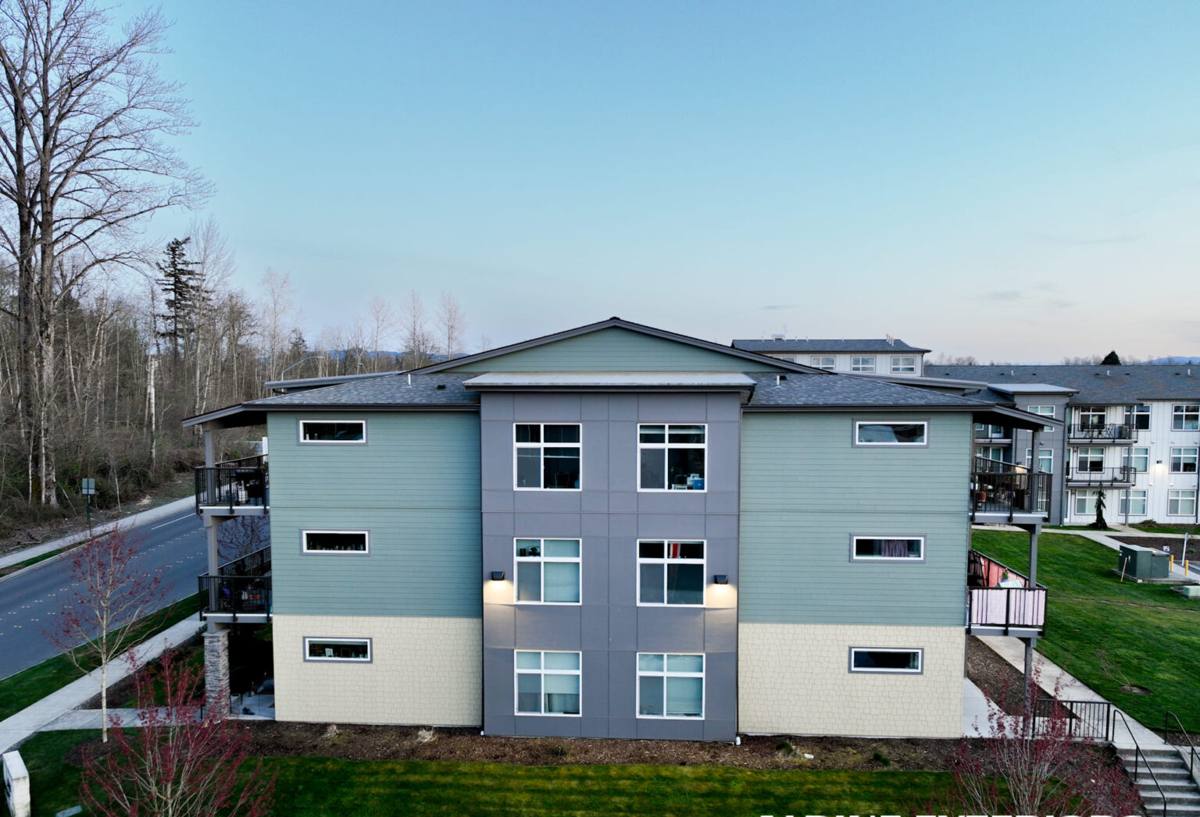
What Alger Homes Actually Need From a New Roof
Three climate factors drive most of the decisions on a correctly installed roof in this area:
Salt Air and Corrosion
Homes closer to the water see faster corrosion on exposed metal — nails, flashing, vents, and gutter hardware. Standard electro-galvanized fasteners can start showing surface rust well before the shingles themselves are due for replacement. That's a fastener and flashing spec issue, not a shingle brand issue, and it's one of the first things worth checking on an older Alger roof.
Driving Rain
Wind-driven rain off the water doesn't just fall straight down — it gets pushed sideways and up under laps, ridge caps, and flashing edges. A roof system relies on layered, overlapping protection (underlayment, flashing, shingle coursing) to shed that water even when it's not falling straight. Skipping steps or using minimum-code underlayment instead of a fuller moisture barrier is where driving rain finds its way in.
Moss and Trapped Moisture
Skagit County's damp, shaded conditions are close to ideal for moss growth, especially on north-facing slopes and roofs under tree cover. Moss holds moisture against the roof surface far longer than open air would, which accelerates granule loss on asphalt shingles and can work its way under tabs over time. It also gives the roof deck less chance to dry between rain events.
What a Correct Roof Installation Involves
A new roof is really a system of layers, not a single product. Getting the layering right is what separates a roof that performs for its full expected life from one that starts causing problems in year eight or ten.
- Tear-off and deck inspection: Full removal of the old roofing so the decking underneath can actually be checked, not just guessed at. Soft, delaminated, or water-stained sheathing gets replaced before anything new goes down.
- Ice and water shield at vulnerable points: Eaves, valleys, and roof penetrations get a self-adhering waterproof membrane, not just felt, since these are the areas most exposed to driving rain and ice buildup.
- Full synthetic underlayment: A continuous water-resistant layer under the whole roof, providing backup protection if wind ever drives water past the shingles themselves.
- Corrosion-resistant flashing and fasteners: Especially important this close to the water — proper metal specification at chimneys, sidewalls, and roof-to-wall transitions.
- Balanced attic ventilation: Intake at the eaves and exhaust at the ridge, sized to the attic volume, so moist air actually has somewhere to go instead of condensing against the underside of the deck.
- Correct shingle nailing pattern: Manufacturer-specified nail placement and count, which is also what keeps a shingle warranty valid if something ever needs a claim.
Material Options for an Alger Reroof
Most Alger homes end up choosing between architectural asphalt shingles and metal roofing, with a smaller number considering cedar shake for style reasons. Each comes with real trade-offs worth understanding before you decide.
| Material | Moss/moisture behavior | Salt air durability | Typical lifespan |
|---|---|---|---|
| Architectural asphalt shingle | Good with proper ventilation; needs periodic moss treatment | Good with corrosion-resistant flashing/fasteners | 25–30 years |
| Standing seam metal | Sheds moisture fast; moss has little to grip | Requires marine-grade coatings/fasteners near the water | 40–50+ years |
| Cedar shake | Highest maintenance burden in damp, shaded conditions | Sensitive to salt exposure and moisture cycling | 20–30 years with regular upkeep |
We install architectural asphalt and metal roofing as our standard offerings. Cedar shake carries a maintenance burden — regular treatment, moisture monitoring, and higher risk of moss and rot in shaded, damp settings — that we're upfront about rather than glossing over. That's a professional judgment about long-term performance in this climate, not a knock on the material itself.
Our Installation Process
- On-site inspection and estimate: We look at the existing roof, attic ventilation, and any problem areas (valleys, chimney flashing, moss buildup) before quoting anything.
- Material selection: We walk through shingle or metal options based on your budget, the roof's exposure, and how the home is situated relative to wind and moisture.
- Scheduling around weather: Roof tear-offs get scheduled with realistic weather windows in mind — this isn't a job to rush into an open deck during an incoming system.
- Tear-off and deck repair: Old roofing comes off, decking gets inspected, and any damaged sheathing is replaced before moving forward.
- Underlayment, flashing, and ventilation installation: The moisture-management layers go in first, correctly lapped and sealed at every transition.
- Final roofing material installation: Shingles or metal panels installed to manufacturer specification, including proper fastening and ridge/hip detailing.
- Cleanup and final walkthrough: Site cleanup, magnetic sweep for stray fasteners, and a walkthrough so you know what was done and what maintenance to expect.
Living With a New Roof in a Moss-Heavy, Salty Climate
A correctly installed roof still benefits from some ongoing attention in this environment. None of it is complicated, but skipping it shortens the roof's useful life:
- Keep gutters clear so water isn't backing up under the roof edge, especially through heavy fall and winter rain.
- Trim back overhanging branches where practical — less shade means faster drying and less moss pressure.
- Have moss treated (not pressure-washed, which can strip granules) if it starts forming, rather than letting it establish for a full season.
- Have flashing and fasteners visually checked every couple of years if the home is closer to the water, since that's where corrosion shows up first.
- Confirm attic ventilation is still clear — insulation or debris blocking soffit vents quietly undoes a lot of the ventilation work done at installation.
Signs an Alger Home May Need a New Roof, Not a Repair
- Granules collecting heavily in gutters or at downspout outlets
- Shingles that are curling, cupping, or losing their tab edges
- Moss established across large sections rather than isolated patches
- Soft spots or noticeable sag anywhere on the roof plane
- Daylight visible through the attic decking, or musty attic smell after rain
- Multiple past repairs in different areas within a short span of years
- Roof is at or past 20–25 years old with original asphalt shingles
One or two of these might point to a targeted repair. Several at once, or a roof already near the end of its expected life, usually means a repair is just delaying the inevitable and spending money that would be better put toward the reroof itself.
What Drives Cost on a New Roof
| Factor | Why it matters |
|---|---|
| Roof size and pitch | Steeper roofs take longer and require more safety setup, adding labor cost |
| Number of valleys, penetrations, chimneys | Each one needs custom flashing work, which adds time and material |
| Deck condition | Rotted or soft sheathing found during tear-off adds repair cost not visible before the job starts |
| Material choice | Asphalt, metal, and cedar carry very different material and labor costs |
| Access and site conditions | Tree cover, tight lot lines, or difficult staging areas can affect labor time |
Broadly, asphalt shingle reroofs tend to fall in the mid-range of roofing costs, while standing seam metal runs higher upfront in exchange for a much longer service life. Exact numbers depend on the specifics above, which is why an on-site look matters more than a phone estimate.
Why It Matters That We Already Work in Alger
A roofing crew that already works this stretch of Skagit County knows what a normal amount of moss looks like versus a warning sign, knows which fastener and flashing specs hold up against the salt air near the water, and isn't guessing at how a roof here weathers over a full winter. That local familiarity shows up in small decisions — flashing choices, ventilation sizing, scheduling around weather — that a crew unfamiliar with this specific coastal-valley combination might not think twice about.
If your roof in Alger is showing its age, or you just want an honest read on whether it's a repair situation or a full replacement, we're happy to take a look. Reach out for a free, no-pressure estimate using the form below.