 Mount Vernon
 Building New in Riverside: Why Window Installation Method Matters From the Start
New construction gives you one real advantage over a retrofit: the window can be integrated into the wall assembly correctly the first time, instead of working around whatever's already there. In Riverside and the surrounding Mount Vernon area, that first-time correctness matters more than in drier parts of the state. This part of Skagit County sees long stretches of driving rain off the Puget Sound and Salish Sea air, humidity that keeps siding and trim damp for days at a stretch, and a moss season that runs longer here than almost anywhere inland. A window opening that's flashed and sealed properly during framing will handle all of that quietly for decades. One that's rushed or done out of sequence will show it within a few winters — staining below the sill, soft trim, or a slow drip that shows up on a wall inside the house long before anyone traces it back to the window.
We install new-construction windows in Riverside as part of new builds and additions, working directly with framers, siding crews, and sometimes general contractors on the same job. Because it's new construction rather than a replacement, we're not fighting old caulk or rotted framing — we're setting the standard the house will live with for the next 30-plus years.
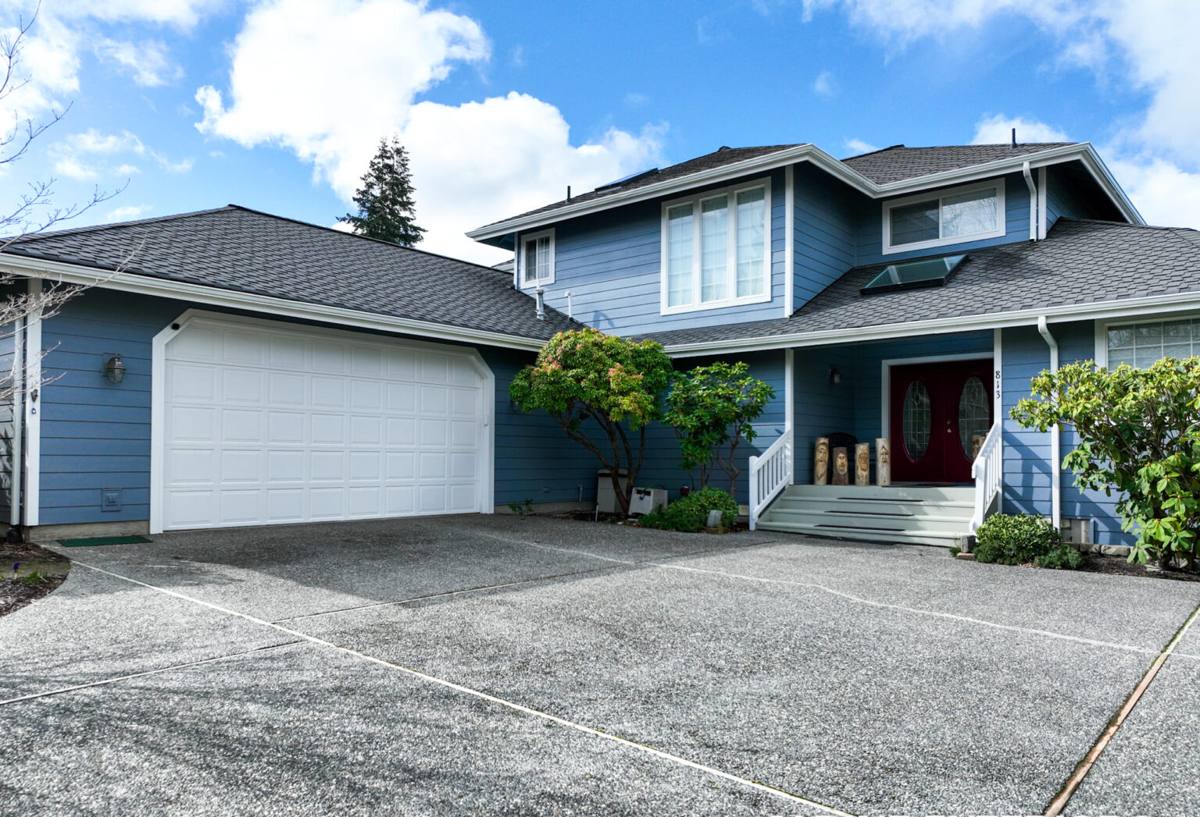
What Riverside's Climate Actually Does to a Window Opening
Riverside sits close enough to tidal water and the broader Puget Sound weather pattern that salt-laden air is a real factor, not a coastal-town exaggeration. Combined with Skagit County's wet fall-through-spring stretch, three things happen to window openings over time if they're not built right:
- Wind-driven rain finds gaps. Storms here don't just fall straight down — sideways, wind-pushed rain gets forced sideways under sills and around nailing flanges that aren't flashed in the correct shingle-lap order.
- Moisture lingers instead of drying fast. Long gray stretches mean any water that does get behind the cladding has days, not hours, to sit before things dry out — which is exactly when hidden rot gets started.
- Salt air accelerates corrosion on the wrong fasteners and hardware. Standard interior-grade screws or the wrong flashing tape adhesive break down faster this close to salt air than they would inland.
None of this means Riverside needs exotic materials. It means ordinary materials have to be installed in the correct order, with the correct products, and not rushed — which is a installation discipline issue more than a product issue.
What a Correct New-Construction Window Install Involves
Sequencing With the Building Envelope
New-construction windows are installed with a nailing flange that gets integrated into the water-resistive barrier (house wrap or equivalent) in a specific shingle-lap sequence: sill flashing first, then the window, then jamb flashing, then head flashing last, always lapped so water sheds downward and outward, never into the wall. Skipping or reversing this order is the single most common cause of hidden window leaks in new builds — and it can't be fixed after siding is on without tearing into the wall.
Sill Pan Flashing
Every opening should get a sloped sill pan, not just flat flashing tape, so any water that does get past the window has a built-in path back outside instead of pooling on the framing. This is a small extra step during framing and a genuinely difficult one to retrofit later.
Flashing Tape and Sealants Rated for the Exposure
We use flashing tapes and sealants rated for the temperature range and UV exposure they'll actually see here, and we pay attention to compatibility — not every tape bonds well to every housewrap or trim material, and a bad bond shows up as peeling in a year or two rather than lasting the life of the window.
Fastening and Shimming
Windows get shimmed square and plumb at the manufacturer's specified fastening points, not just wherever's convenient. An out-of-square window binds, doesn't seal against its own weatherstripping evenly, and stresses the glass unit over time.
Interior and Exterior Sealing
Low-expansion foam or backer rod and sealant around the frame (never solid can-foam packed tight, which can bow vinyl and composite frames), plus a proper interior air seal — a step that's often skipped because it doesn't show, but it's a real factor in draft complaints and condensation on interior trim in our climate.
Quick Checklist: What Should Happen at Your Riverside New-Construction Window Install
- Sloped sill pan flashing installed before the window goes in
- Correct shingle-lap order: sill, window, jambs, head
- Flashing tape compatible with your specific housewrap and trim materials
- Window shimmed square and plumb, fastened at manufacturer-specified points
- Low-expansion foam or backer rod, not packed solid can-foam
- Interior air seal completed, not left for the drywall crew to cover over
- Corrosion-resistant fasteners appropriate for near-coastal air
Choosing the Right Window for a Riverside New Build
New construction gives you full freedom on window brand, style, and frame material since you're not constrained by an existing rough opening. The right call depends on the home's design and your budget, but a few climate-specific factors are worth weighing up front in this area.
| Factor | Why it matters in Riverside / Mount Vernon |
|---|---|
| Frame material (vinyl, fiberglass, composite, wood-clad) | All perform fine here if installed correctly; wood needs the most diligent exterior maintenance given the damp season length |
| Glazing / Low-E coating | Helps with both winter heat retention and glare off overcast, bright-gray skies common in the Skagit Valley |
| Frame and hardware corrosion resistance | Worth confirming with your builder given proximity to salt air, especially on operable hardware |
| Weatherstripping quality | Directly affects draft and moisture resistance during our windiest, wettest months |
| Sill design | A sill that sheds water cleanly outward matters more here than in a drier climate |
We don't push one brand as universally "best" — we install what fits the home's design and the owner's or builder's budget, and we flag any product-specific installation quirks (certain frames are more sensitive to fastening pressure, certain flange designs pair better with certain flashing systems) before the windows go in, not after.
How We Work on New-Construction Jobs in Riverside
Because we work regularly in and around Mount Vernon, we know the inspection process and the typical framing timelines local builders work on, which keeps window installation from becoming the thing that holds up siding or drywall.
- Rough opening review. We check openings against the actual window specs before installation day — a small framing discrepancy is a five-minute fix before the window shows up and a costly delay after.
- Flashing and sill pan installation. Done in the correct sequence, with photos taken at each stage for the builder's or owner's records.
- Window setting. Shimmed, squared, and fastened per manufacturer spec.
- Interior and exterior sealing. Completed before siding or interior trim closes anything up.
- Final check. Operable units are tested for smooth function and even reveal before we sign off.
Why Hiring a Crew That Already Works in Riverside Matters
New-construction window installation isn't a specialty product problem — it's a sequencing and detail problem, and those details are learned by doing the work repeatedly in this specific climate. A crew that mostly works drier inland regions may not think twice about sill pan slope or flashing tape compatibility with a given housewrap, because in a drier climate those shortcuts often don't get exposed for years. In Riverside, with Skagit County's rain volume and the area's damp, moss-friendly conditions, those same shortcuts tend to show up fast — sometimes within a single wet season.
We also understand how new-construction windows fit into the broader schedule with framers, siding installers, and painters, which matters on a build timeline where delays cost real money. Coordinating window installation timing with the rest of the envelope work is as much a part of the job as the flashing itself.
Maintenance After Move-In
A correctly installed window in this climate still benefits from basic seasonal attention:
- Clear debris and moss from sills and adjacent trim before it holds moisture against the frame
- Check exterior caulk lines annually, especially after the first full winter, since new construction settles slightly
- Keep gutters and downspouts functioning well above and near window openings — overflow is a common source of water reaching a window that would otherwise be fine
- Test operable hardware periodically, since near-coastal air can affect metal components faster than it would inland
None of this is heavy maintenance — it's the kind of once-or-twice-a-year attention that keeps a well-installed window performing the way it's supposed to for the long run.
Get a Straightforward Estimate
If you're building new or adding on in Riverside and want window installation done right the first time — correctly flashed, correctly sequenced, and built for the rain and salt air this part of Mount Vernon actually sees — we're happy to walk the plans or the framed opening with you. Fill out the form below for a free, no-pressure estimate.