 Mount Vernon
 Windows Built for La Conner's Water-Facing Climate
La Conner sits right up against the Swinomish Channel, which means homes here take a different kind of weather than houses a few miles inland in Mount Vernon. Salt-laden air off the water accelerates corrosion on hardware and fasteners. Wind-driven rain doesn't just fall straight down — it gets pushed sideways into window assemblies, testing flashing and seals in ways a calm rain never would. And the long, damp Skagit County shoulder seasons keep everything wet long enough for moss and mildew to take hold on sills, trim, and anything with a horizontal surface to sit on.
None of that means custom windows in La Conner require exotic materials or gimmicks. It means the basics — material selection, glazing, flashing, and sealant detailing — have to be done correctly and matched to a marine-influenced environment, not treated like a generic install. That's the difference between a window that looks good for a year and one that performs for decades.
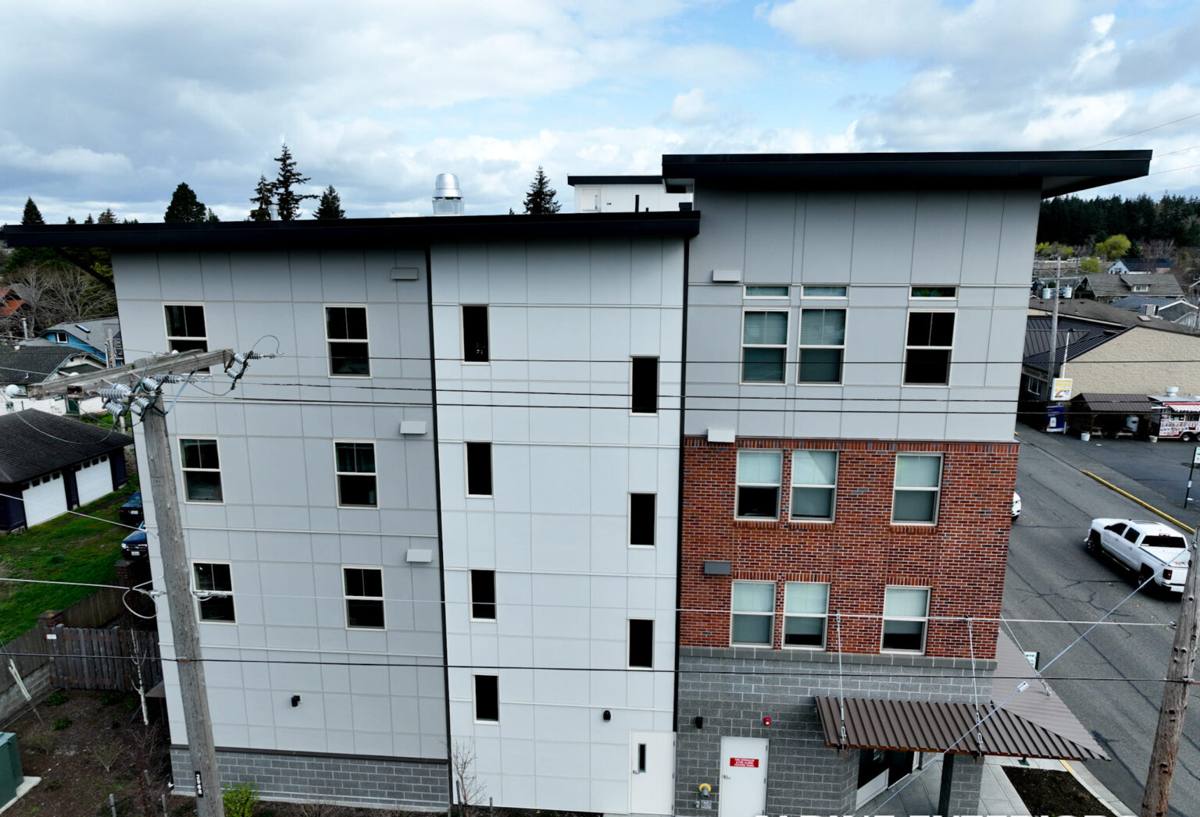
What "Custom" Actually Means for This Job
Custom doesn't just mean an odd-sized opening or a special shape, although La Conner's older homes and waterfront properties do often have those. Custom windows means the window is specified — frame material, glazing package, hardware finish, and installation detail — to match both the house and the site conditions. A window on the water side of a home facing prevailing wind and spray needs different attention than one tucked on a sheltered wall, even on the same house.
Factors we account for on a La Conner project
- Exposure: how directly the opening faces the channel, prevailing wind, and driving rain
- Wall assembly: what's behind the existing siding and how moisture has (or hasn't) been managed historically
- Frame material and hardware corrosion resistance for salt-air exposure
- Glazing package suited to Pacific Northwest heat and moisture patterns, not a generic national default
- Existing rot, staining, or moss growth around the current opening — a sign of past water intrusion that needs fixing before a new window goes in, not covered up by it
Material Choices for Salt Air and Driving Rain
There's no single "best" window material for every home — it depends on budget, exposure, and the look you're after. What matters is picking honestly, with the trade-offs on the table, rather than defaulting to whatever's cheapest to install.
| Material | How it handles salt air & moisture | Maintenance in this climate | Typical fit |
|---|---|---|---|
| Vinyl | Won't corrode or rust; performs well against salt exposure | Low — occasional cleaning to keep tracks and weep holes clear of salt film and debris | Budget-conscious replacements, rentals, most standard openings |
| Fiberglass | Very stable in temperature swings and moisture; excellent long-term dimensional stability | Low — durable finish resists the damp/dry cycling common here | Higher-exposure walls, larger openings, longer-term ownership |
| Wood-clad | Good performance if the cladding and flashing are correct, but any gap in that cladding invites moisture into the wood core | Higher — needs regular inspection of cladding seams and any exposed wood trim, especially with our moss season | Historic-style homes where wood interior/exterior look matters |
| Aluminum | Prone to corrosion and pitting in prolonged salt exposure unless heavily coated; also a poor thermal performer | Higher — coatings need monitoring near the water | We generally steer waterfront and near-channel homes away from bare aluminum for this reason |
We don't push one brand or material on every homeowner. We'll tell you plainly if a product you're considering is a poor match for your home's exposure — for example, a low-end aluminum frame on a channel-facing wall is going to fight corrosion and heat loss for its whole life, and that's a maintenance burden worth knowing about before you buy, not after.
Glazing: More Than a Number
Double-pane, low-E glazing is standard for this region, but the details matter more than the marketing. Look at whether the spacer system is built to resist seal failure in a climate with constant humidity swings — a failed seal shows up as fogging between the panes, and it's one of the most common warranty issues homeowners in wet climates run into with poorly-specified units.
Where Most La Conner Window Failures Actually Start
In our experience working this area, it's rarely the glass or even the frame that fails first. It's the flashing and sealant detail around the opening. Wind-driven rain off the channel finds any gap in the weather-resistive barrier, and once water gets behind the siding around a window, it can sit there — hidden — for a long time before it shows up as a soft spot, staining, or a moss patch on the exterior trim.
What a correct installation includes
- Removing the old window fully enough to inspect the rough opening for existing rot or moisture damage — not installing over a problem
- Repairing or replacing any compromised framing or sheathing found during removal
- Properly lapped flashing tape and pan flashing at the sill, integrated with the existing weather-resistive barrier — not just caulked over
- Correct shimming and fastening so the window operates properly and doesn't rack out of square over time
- Sealant compatible with both the window frame material and the siding, applied at the right joints — not everywhere, since over-sealing can trap moisture instead of letting it drain
- Weep holes and drainage paths left clear and functional, not sealed shut by accident
Skipping any one of these is how a window ends up leaking within a few wet seasons, even if the window unit itself is high quality. It's also why we treat window replacement as a whole-opening job, not just a swap of glass and frame.
Moss, Mildew, and the Skagit County Shoulder Seasons
La Conner's long stretches of damp, mild weather are exactly the conditions moss and mildew like. On windows, that shows up as green or black growth on sills, in corner joints, and on horizontal trim below the opening — anywhere water sits instead of draining away. It's mostly a cosmetic and maintenance issue, but persistent moisture sitting against wood trim or a compromised sealant joint can eventually become a real problem.
Good design fights this before it starts: sills with a slight slope to shed water, trim details that don't create flat catch points, and materials chosen so a little algae growth doesn't mean structural risk. We'll talk through sill and trim detailing as part of any custom window quote here, since it's a bigger factor in La Conner than it would be for the same job twenty miles inland.
Our Process for a La Conner Window Project
- On-site assessment. We look at exposure, existing moisture damage, and what's actually behind your current windows before quoting anything.
- Honest material and glazing recommendation. Based on that assessment and your budget, not a one-size-fits-all package.
- Detailed, written estimate. Scope, materials, and timeline spelled out so there are no surprises mid-job.
- Removal and opening inspection. Every opening gets checked for hidden rot or water damage before the new window goes in.
- Correct flashing and installation. Built to shed wind-driven rain, not just look sealed on install day.
- Cleanup and walkthrough. We show you the finished work and how to maintain it going forward.
What to Check Before Hiring Anyone for Window Work Here
- Do they inspect the rough opening for existing damage, or just measure and install over what's there?
- Can they explain their flashing and sealant approach specifically, not just "we seal everything"?
- Do they recommend materials based on your home's actual exposure, or push the same product on every job?
- Are they licensed and insured to work in Washington, and can they show it without hesitation?
- Do they have experience specifically with waterfront or near-channel properties, where wind-driven rain and salt air are a factor?
Why Local Experience on This Kind of Job Matters
A crew that mostly works dry, inland climates can install a technically fine window and still get the flashing detail wrong for a house that takes wind-driven rain off the water. Working in La Conner and around Mount Vernon regularly means we're used to spotting moisture damage patterns specific to this area, matching materials to marine-influenced exposure, and detailing installations so they hold up through a full wet season, not just a dry-weather inspection. That local pattern recognition is worth more than any single product spec.
Get a Straightforward Estimate
If you're weighing custom window replacement for a home in La Conner, we're happy to come take a look, assess your specific exposure and existing openings, and give you an honest read on materials and cost — no pressure, no upsell script. Use the form below to request a free estimate.