 Mount Vernon
 Why Edison's Climate Wears Out Siding Faster Than Most
Edison sits in one of the more exposed corners of Skagit County — low-lying, close to open water, and squarely in the path of weather systems that roll in off the Salish Sea. Homes here deal with three things at once that most inland Washington houses don't: salt-laden air, near-constant driving rain through the fall and winter, and a moss season that can run six months or longer in shaded, damp spots. Any one of those is manageable. Together, they're what actually shortens the life of a siding job that wasn't built for this specific environment.
Salt air is corrosive to metal fasteners, flashing, and trim hardware long before it does visible damage to the siding face itself. Driving rain — rain that comes in sideways on a west or southwest exposure — doesn't just wet the surface, it tests every seam, joint, and penetration in the wall. And moss doesn't just sit on a roof; it colonizes north-facing and shaded siding, holding moisture against the wall surface for weeks at a time. A siding product and installation method that ignore any of these three factors will show problems within a handful of years, even if the material itself is rated for decades.
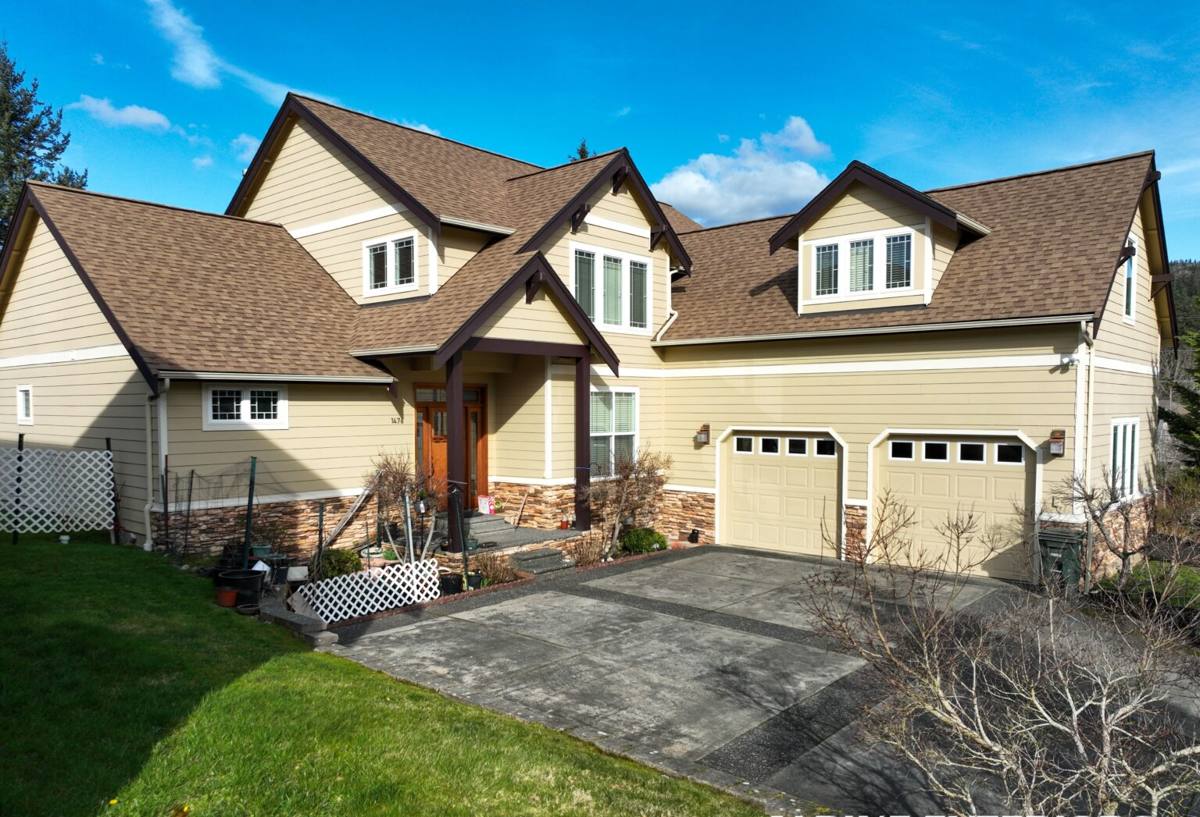
Why We Install Only James Hardie Fiber Cement
We standardized on James Hardie fiber cement siding for every job we do, including here in Edison, and we don't install vinyl, LP SmartSide, Cemplank, Allura, or bare cedar and primed wood siding. That's not a marketing position — it's a decision based on what actually holds up under this climate's specific abuse.
Fiber cement is non-combustible, dimensionally stable, and doesn't rot, delaminate, or feed moss the way wood-based products can. James Hardie's ColorPlus factory finish is baked on under controlled conditions rather than field-painted, which matters a lot in a region where humidity and rain windows make on-site paint adhesion inconsistent. Hardie also engineers regional HZ (HardieZone) product lines specifically for wetter climates like ours, and backs the material with a long transferable warranty that assumes correct installation to their published specs — which is where most siding failures in this area actually originate, not the material itself.
We're not going to tell you vinyl or LP SmartSide are junk products; they're not. But vinyl expands and contracts more than fiber cement in temperature swings, which opens gaps that driving rain finds. LP SmartSide is an engineered wood product, and wood-based substrates are inherently more moisture-sensitive over the long run than a cement-based one, especially with the kind of sustained dampness Edison's moss season creates. Cedar and primed wood need ongoing paint and sealant maintenance that most homeowners underestimate until the first signs of rot show up at butt joints and bottom courses. We made the call to install one product system so we can guarantee our work — and Hardie is the one that matches Edison's specific exposure.
What Correct Installation Actually Involves Here
The siding material is maybe half the equation. The other half is installation detail, and this is where a lot of siding jobs — on any brand — quietly fail years later. In a high-moisture, salt-exposed area like Edison, a handful of details matter more than they would somewhere drier and more sheltered:
Moisture Management Behind the Siding
Correct Hardie installation isn't just face-nailing boards to studs. It requires a water-resistive barrier, proper flashing at every window, door, and penetration, and a rainscreen or drainage gap in many wall assemblies so incidental moisture that gets behind the siding has somewhere to go instead of sitting against sheathing. Skip this in a climate with Edison's rainfall pattern and you're building in a slow moisture problem regardless of what's on the outside.
Fastening and Hardware
Salt air accelerates corrosion on the wrong fastener choice. We use corrosion-resistant fasteners and hardware appropriate for coastal-influenced exposure, and we follow Hardie's fastening spec for pattern, spacing, and embedment — under-driven or over-driven nails are a common cause of premature edge cracking on any fiber cement job.
Joints, Caulking, and Butt Seams
Every horizontal butt joint and every place siding meets trim, corner boards, or flashing is a potential water entry point. We follow Hardie's specifications for joint treatment and use sealants rated for exterior, high-moisture use — not general-purpose caulk that will crack and fail within a couple of seasons of Edison's weather cycle.
Clearances and Grade Separation
Siding installed too close to grade, a roofline, a deck surface, or a paved walkway stays wet longer and gives moss and mildew a foothold. We hold to manufacturer-specified clearances even when it means adjusting trim or flashing details other crews might skip.
Our Process, Start to Finish
The process itself isn't complicated, but the sequencing matters, especially on a re-side over an older wall assembly, which is common on Edison's older housing stock.
- On-site assessment. We look at existing siding condition, sheathing and moisture history, exposure direction, roof and gutter interaction, and any moss or staining patterns that point to a drainage issue before it becomes a bigger one.
- Tear-off and sheathing check. Old siding comes off and we inspect the sheathing underneath. Any soft, water-damaged, or compromised sheathing gets addressed before anything new goes up — installing new siding over a damaged wall just hides the problem.
- Water-resistive barrier and drainage plane. We install or verify the weather barrier and drainage gap appropriate to the wall assembly and exposure.
- Flashing at every penetration. Windows, doors, vents, hose bibs, light fixtures — anything that breaks the plane of the wall gets properly flashed before siding closes over it.
- Hardie installation to spec. Fastening pattern, joint treatment, clearances, and factory-finish handling all follow James Hardie's published installation guidelines, which is also what keeps the manufacturer warranty intact.
- Final detailing and walkthrough. Trim, caulking, touch-up, and a walkthrough so you understand what was done and what maintenance (if any) to expect going forward.
How Fiber Cement Compares to the Alternatives in Edison's Climate
| Material | Salt Air / Corrosion | Driving Rain / Moisture | Moss & Sustained Damp | Long-Term Maintenance |
|---|---|---|---|---|
| James Hardie Fiber Cement | Non-metallic face; hardware corrosion-resistant when installed correctly | Dimensionally stable, factory-sealed finish | Doesn't feed moss or rot from sustained moisture | Low — periodic wash, occasional caulk check |
| Vinyl Siding | Panels unaffected, but fasteners/trim can corrode | Expansion/contraction can open seams over time | Doesn't feed moss but can trap moisture behind panels | Low, but panels can warp or fade with sun/weather cycling |
| LP SmartSide | Engineered wood substrate more sensitive to sustained salt/moisture exposure | Edge and cut-end sealing critical; more moisture-sensitive than cement | Wood-based substrate is more vulnerable to sustained dampness | Moderate — edge sealing and paint maintenance matter more |
| Cedar / Primed Wood | No inherent corrosion resistance; hardware exposure is a concern | Absorbs moisture; needs consistent sealing | Most vulnerable to rot and moss colonization of the three | High — regular painting/staining and inspection required |
What Drives Cost on an Edison Siding Job
Every home is different, but the same handful of factors move the price on a fiber cement job in this area:
| Factor | Why It Matters |
|---|---|
| Tear-off vs. new construction | Removing old siding and addressing any sheathing damage underneath adds labor a fresh install doesn't have |
| Home size and wall complexity | More corners, gables, and trim detail means more cutting, flashing, and finish work |
| Siding profile (lap, panel, shingle-style) | Different Hardie profiles have different material and labor costs |
| Existing moisture damage | Rotted sheathing or framing found during tear-off needs repair before siding goes on |
| Trim and accessory scope | Corner boards, window trim, and fascia work done alongside siding affects total scope |
| Site access and exposure | Height, staging needs, and weather-dependent scheduling in a high-rain area can affect timeline and cost |
Signs an Edison Home's Siding Needs Attention
- Moss or dark streaking concentrated on north- or shade-facing walls
- Caulk that's cracked, shrunk, or pulled away from trim and joints
- Soft spots, bubbling, or visible swelling near the bottom courses or butt joints
- Rust staining around fasteners or trim hardware
- Paint or finish that's chalking, peeling, or noticeably faded on wind- and rain-exposed sides
- Gaps or warping where siding meets window and door trim
- A musty smell or visible staining on interior walls that back up to exterior siding
Why It Matters That We Already Work in Edison
A crew that mostly works drier, more sheltered parts of the county tends to install siding the same way everywhere — because it works, most of the time, everywhere else. Edison's combination of salt exposure, wind-driven rain, and prolonged damp shade isn't the default case. It changes which details actually matter: how much attention the drainage plane gets, which fastener and hardware choices hold up, where extra flashing or clearance is worth the added labor, and which sides of a house need closer attention because of prevailing wind and rain direction.
That's the practical value of hiring a crew that already does this work in this specific area, rather than relearning Edison's climate on your project. We're not guessing at what "coastal Skagit County exposure" means in the abstract — it shapes how we sequence tear-off, where we add drainage detail, and which parts of the installation spec we treat as non-negotiable rather than optional.
What a Correct Job Looks Like Years Later
The real test of a fiber cement installation in a climate like Edison's isn't how it looks the day it's finished — it's how it looks and performs five and ten years out. A correctly installed Hardie system, with proper drainage, flashing, and fastening, should show minimal moss colonization even in shaded areas, hold its factory finish without significant fading or chalking on exposed sides, and keep caulked joints intact without recurring cracking. If a siding job needs re-caulking every year or shows moisture staining within the first few years, that's almost always an installation detail issue rather than a material limitation — which is exactly why we treat the installation spec as seriously as the product choice itself.
If you're weighing a re-side or new siding project on a home in or around Edison, we're happy to take a look and walk you through what your specific exposure and existing wall condition call for. There's no pressure and no cost to get our read on it — just fill out the form below to get started with a free estimate.