 Mount Vernon
 Roofing Edison Homes for the Weather They Actually Get
Edison sits close to the water on the western edge of Skagit County, and that location shapes what a roof out here has to deal with. Homes in this part of the county catch salt-laden air off the bay, take driving rain straight off Puget Sound weather systems, and sit under enough shade and dampness for a long moss season most of the year. A roof that would hold up fine in a drier inland town can wear out early here if it wasn't built with this specific exposure in mind. We install new roofs for homeowners throughout Mount Vernon and the surrounding Skagit County communities, and Edison's roofs get their own set of considerations because of where they sit.
This page is about one job: full new roof installation for homes in and around Edison. Not a repair, not a patch — a correct, complete install done with materials and methods suited to salt air, sustained wet weather, and moss pressure.
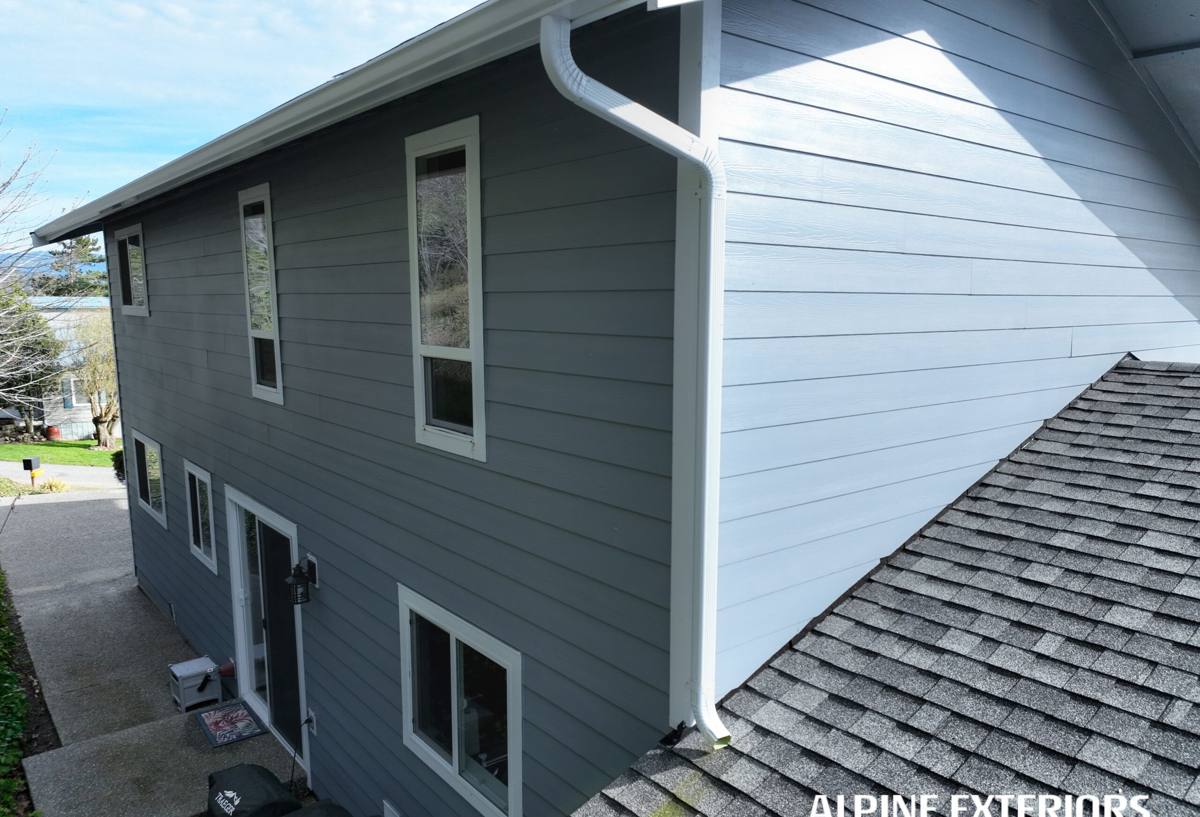
What Salt Air, Rain, and Moss Actually Do to a Roof
Salt air
Airborne salt from nearby tidal water accelerates corrosion on anything metal — fasteners, flashing, vents, gutters. A roof installed with the wrong grade of hardware can start showing rust streaks and weakened fastener heads years before it should. This is one of the most common oversights we see when we're called out to look at a roof that's underperforming for its age.
Driving rain
Skagit County doesn't just get steady rain — it gets wind-driven rain that hits roof planes at an angle instead of falling straight down. That matters because wind-driven rain can work its way under shingles, around flashing, and into valleys in ways vertical rain never would. Underlayment quality, fastening patterns, and flashing detail all matter more here than they would in a calmer climate.
Moss
Shaded roof sections and north-facing slopes near tree cover stay damp for extended stretches, which is exactly what moss needs to take hold. Moss isn't just cosmetic — it lifts shingle edges, holds moisture against the roof deck, and shortens the life of whatever's underneath it. A roof designed with moss in mind uses materials, edge details, and sometimes strategic metal flashing at ridges to slow regrowth, rather than fighting it after the fact every year.
What a Correct New Roof Installation Actually Involves
A new roof is more than swapping old shingles for new ones. Done right, it's a system — deck, underlayment, flashing, ventilation, and the roofing material itself all working together. Skipping or shortcutting any one of these is where roofs in this climate fail early.
- Deck inspection and repair — any soft, rotted, or delaminated sheathing gets replaced before anything goes back on, not covered up.
- Ice and water shield at vulnerable points — eaves, valleys, and around penetrations, where wind-driven rain is most likely to find a way in.
- Synthetic underlayment across the full roof — a continuous water-resistant layer that also holds up better than old felt paper during a wet installation stretch.
- Correct flashing at every transition — chimneys, walls, skylights, and roof-to-roof intersections, using metal rated for coastal exposure.
- Proper ventilation — balanced intake and exhaust so moisture doesn't get trapped in the attic, where it causes problems you can't see until they're expensive.
- Corrosion-resistant fasteners and hardware — matched to salt air conditions, not just whatever's standard elsewhere.
- Final walk-through — checking ridge lines, valleys, penetrations, and edges before we call the job done.
Our Installation Process, Step by Step
- On-site assessment. We look at the existing roof, the deck condition, ventilation setup, and how the home's specific exposure to sun, shade, wind, and moisture should factor into the plan.
- Material selection. We walk through options with you based on your roof's pitch, sun/shade pattern, budget, and how much moss and weather exposure that particular roof plane gets.
- Tear-off and deck check. Old roofing comes off down to the deck, and every section of sheathing gets checked — not just the areas that looked bad from the ground.
- Underlayment and flashing. This is where most of a roof's long-term water resistance actually comes from, and it's the step that's easiest to shortcut and hardest to inspect later.
- Roofing material installation. Installed to manufacturer spec and fastening pattern, with attention to the details that matter most in wind-driven rain — starter courses, nail placement, and exposure consistency.
- Ventilation and trim work. Vents, ridge caps, and edge metal go in to complete the system, not as an afterthought.
- Cleanup and walk-through. Site cleaned, debris and old material hauled off, and we walk the finished roof with you.
Ventilation and Moisture Control for Edison's Exposure
Attic ventilation gets overlooked constantly, but it's one of the biggest factors in how long a roof actually lasts in a wet climate. Without balanced intake at the eaves and exhaust near the ridge, warm moist air gets trapped in the attic. Over a Skagit County winter, that trapped moisture condenses on the underside of the deck, which can rot sheathing from the inside — a problem that has nothing to do with the roofing material on top and everything to do with what's happening underneath it. We check and correct ventilation as part of every new roof install, not as a separate service, because installing a new roof over a poorly ventilated attic just resets the clock on the same problem.
Choosing the Right Roofing Material for Edison Homes
There's no single "best" roofing material — the right choice depends on the home's exposure, the roof's pitch and shape, and what the homeowner wants to manage over time. Here's how the common options stack up for a coastal Skagit County property.
| Material | How it handles this climate | Maintenance to expect | Typical lifespan |
|---|---|---|---|
| Architectural asphalt shingle | Good all-around performance; algae-resistant granule options help with moss and streaking | Periodic moss/debris removal, especially on shaded slopes | 25–30 years |
| Standing seam metal | Sheds wind-driven rain very well; smooth surface resists moss buildup better than textured materials | Low; occasional fastener and sealant checks at penetrations | 40–50+ years |
| Synthetic/composite shingle | Resists moisture absorption well; consistent performance in wet, shaded conditions | Low to moderate | 30–50 years, product-dependent |
| Wood shake | Higher maintenance burden in a moss-prone, damp climate; needs more diligent upkeep to perform well long-term | Regular treatment and moss control | Varies widely with maintenance |
We'll go over which of these makes sense for your specific roof during the estimate — pitch, shade pattern, and how exposed the home is to weather off the water all factor into that conversation.
What Drives the Cost of a New Roof
Every roof is priced based on its own specifics, so we won't quote a number without seeing the job — but these are the main factors that move the price up or down.
| Factor | Why it matters |
|---|---|
| Roof size and number of planes | More material and more labor, plus more valleys and hips that need detail work |
| Deck condition | Rotted or soft sheathing found during tear-off needs replacement before roofing goes on |
| Material choice | Asphalt, metal, and composite options carry different material and labor costs |
| Roof pitch and access | Steeper or harder-to-access roofs take longer and require more safety setup |
| Ventilation and flashing needs | Homes needing new vents, extra flashing, or corrected airflow add scope beyond the roofing material itself |
Why a Crew That Already Works Edison Matters
A roofing crew that regularly works this part of Skagit County isn't guessing about what this climate does to a roof — they've seen it. That means knowing which fastener grades hold up against salt air, which flashing details actually stop wind-driven rain instead of just meeting minimum code, and which roof planes around Edison tend to grow moss fastest based on shade and orientation. It also means being realistic with homeowners about trade-offs instead of upselling the most expensive option or downplaying maintenance a material will actually require. A roof installed by a crew unfamiliar with this specific coastal exposure can look fine on day one and still fail early in ways that were entirely avoidable.
After Installation: Keeping a New Roof Performing
A correctly installed roof still benefits from basic upkeep, especially in a climate that stays damp as long as this one does.
- Clear gutters and downspouts before the fall rains build up, so water isn't backing up under roof edges.
- Keep overhanging branches trimmed back to cut down on shade and debris buildup that feeds moss.
- Have moss growth addressed early rather than left to spread across a full slope.
- Check attic ventilation periodically, especially if you notice condensation or musty smells inside the attic space.
- Have flashing points — chimneys, skylights, vents — checked every few years, since these are the spots most likely to develop small leaks first.
None of this is heavy maintenance, but a roof installed correctly and looked after modestly will consistently outlast one that was installed cheaply and then ignored.
Ready for an Honest Look at Your Roof?
If you're weighing a new roof for a home in Edison or nearby, we're happy to come take a look, walk you through what your specific roof needs, and give you a straight answer on materials and cost — no pressure, no upselling. Use the form below to request a free estimate.