 Mount Vernon
 Siding Built for East Mount Vernon's Weather, Not Just Its Curb Appeal
East Mount Vernon sits in one of the wetter corners of Washington, where homes deal with a long, damp season, moisture moving in off the water, and enough shaded, tree-covered lots to keep moss and mildew active for most of the year. Siding here doesn't just need to look good on installation day — it needs to hold up through repeated soak-and-dry cycles, wind-driven rain that gets pushed sideways against walls, and organic growth that never fully lets up. That's a different job than siding a house in a dry climate, and it's why we install one product, to spec, every time: James Hardie fiber cement.
This page is specifically about James Hardie installation for homes in the East Mount Vernon area. We're not going to give you the generic pitch — we're going to walk through what this climate actually does to a house, what a correct Hardie installation looks like in response, and why hiring a crew that already works this neighborhood matters more than it might seem.
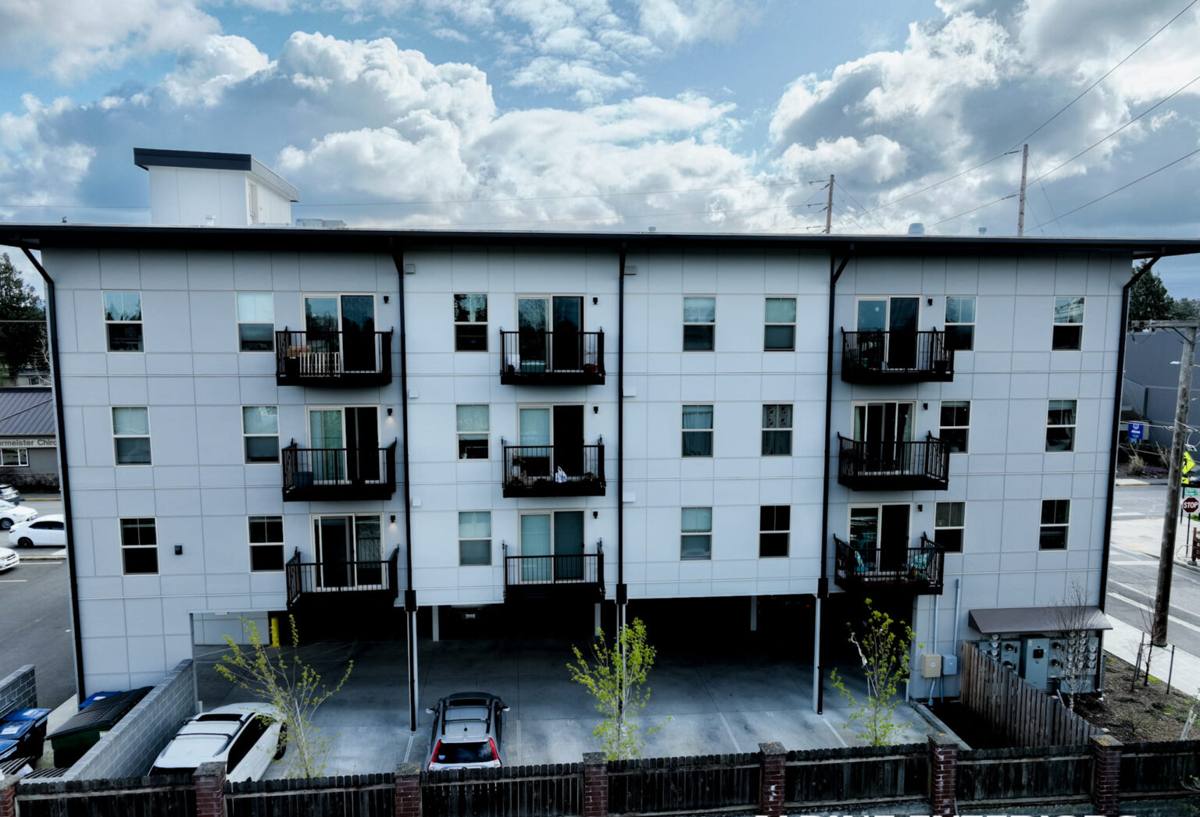
What Skagit County's Climate Does to Exterior Siding
Skagit County's marine-influenced climate brings a few specific stresses that matter when you're choosing and installing siding:
- Salt air: Proximity to Puget Sound and the surrounding waterways means airborne salt and moisture can accelerate corrosion of fasteners and degrade some finishes over time if the wrong materials are used.
- Driving rain: Storms here don't just fall straight down — wind pushes rain horizontally into wall assemblies, which puts real pressure on butt joints, corner details, and anywhere water can find a path behind the cladding.
- Extended moss and mildew season: Shaded lots, consistent moisture, and mild temperatures give moss, algae, and mildew a long runway to establish themselves on north-facing walls, under eaves, and anywhere airflow is limited.
- Freeze-thaw cycling: While not as severe as inland climates, Mount Vernon still sees enough cold snaps that trapped moisture in siding or substrate can freeze, expand, and accelerate damage over multiple seasons.
None of this is unique to East Mount Vernon, but it's persistent here in a way that punishes siding materials and installation shortcuts that might get away with it elsewhere.
Why This Matters for Material Choice
Wood-based products — cedar, primed spruce, engineered wood siding — are more vulnerable to sustained moisture exposure. Even well-maintained wood products need more frequent inspection and upkeep in a climate like this. Vinyl handles moisture fine on its own, but it's a poor match for driving rain and wind because it's not rigid, it can warp or crack under UV and temperature swings, and it doesn't hold paint or color the way a factory-finished product does. James Hardie fiber cement is non-combustible, dimensionally stable, and engineered specifically for climates like this one — it's the reason it's the only product we put on homes.
What a Correct James Hardie Install Looks Like Here
James Hardie makes a good product, but the product alone doesn't guarantee a good result. Installation quality is what determines whether a Hardie job performs for 30-plus years or starts showing problems in five. In East Mount Vernon specifically, a few details matter more than they might in a drier climate:
Water Management Behind the Siding
Correct installation starts with the water-resistive barrier and flashing details — not the siding itself. Every window, door, and penetration needs proper flashing so that any water that gets behind the cladding (and some always will, in a climate this wet) has a clear path back out rather than getting trapped against sheathing. This is the single most common place we see older installations fail, regardless of what siding was on top.
Fastener Selection and Placement
Because of the salt air exposure common near Mount Vernon's waterways, fastener choice matters. We use corrosion-resistant fasteners per James Hardie's specifications, placed at the correct depth and spacing — not overdriven, not underdriven, and not placed too close to panel edges where they can cause cracking or compromised water resistance over time.
Joint and Seam Detailing
Butt joints, corners, and panel seams are where driving rain finds weaknesses. James Hardie's installation guidelines call for specific gaps, sealant use (or engineered joint systems that avoid sealant dependency altogether), and clearances from rooflines, decks, and grade. Skipping or eyeballing these details is exactly how a technically "installed" siding job ends up with moisture problems within a few years.
Clearance and Airflow
To fight the moss and mildew pressure this area sees, siding needs proper clearance from soil, roofing, and other surfaces so it can dry out between rain events. Tight clearances trap moisture against the panel and give organic growth a foothold that's much harder to manage after the fact than to prevent during installation.
James Hardie Product Lines That Fit This Climate
James Hardie's HZ5 product line is engineered for climates with more cold and moisture exposure, and it's what we typically spec for homes in the Mount Vernon area. Beyond the base panel, the ColorPlus factory finish is worth understanding specifically because of what this climate does to painted surfaces:
| Feature | Why It Matters in East Mount Vernon |
|---|---|
| ColorPlus factory-baked finish | Cures under controlled conditions, resisting the fading and moisture-related peeling that field-applied paint struggles with in a wet, low-sun climate |
| HZ5 engineered formulation | Built for climates with freeze-thaw cycling and higher moisture exposure, rather than a general-purpose formulation |
| Non-combustible fiber cement core | Doesn't absorb and hold moisture the way wood-based products can, reducing the conditions moss and mildew need to take hold |
| Dimensional stability | Resists the warping and cupping that engineered wood and some composite products can develop under repeated wet-dry cycling |
Our Process for East Mount Vernon Homes
We keep this straightforward because good siding work isn't complicated, it's just easy to shortcut:
- On-site assessment: We look at your home's specific exposure — which walls take the most wind-driven rain, where existing moss or moisture staining shows up, and what your current siding and substrate condition tell us about water management history.
- Substrate check and repair: Any water-damaged sheathing or framing gets addressed before new siding goes on. Installing over compromised substrate just hides a problem instead of fixing it.
- Water-resistive barrier and flashing: This is the layer that does the real work over the life of the siding. We install it to manufacturer spec, not shortcuts.
- James Hardie panel installation: Installed per James Hardie's published fastening, clearance, and joint requirements — the same requirements that keep the product warranty intact.
- Final detailing and walkthrough: Trim, caulking where appropriate, and a walkthrough so you understand what was done and why.
What to Expect During the Project
- A clear timeline before work starts, including how weather delays are handled given the region's rain patterns
- Daily site cleanup — no debris left overnight in yards or driveways
- Direct communication if anything unexpected turns up once old siding comes off (this happens more often than homeowners expect, especially on older homes)
- A final walkthrough covering warranty registration and any basic care recommendations for your specific site conditions
Why Hiring a Crew That Already Works East Mount Vernon Matters
Siding installation isn't just about following a manufacturer's manual — it's about applying that manual correctly to your specific house, on your specific lot, in your specific weather exposure. A crew that regularly works in and around Mount Vernon already understands:
- Which wall orientations in this area typically take the worst wind-driven rain
- How local permitting and inspection processes work in Skagit County
- What moisture and moss patterns look like on homes with similar age and construction to yours
- How to sequence a project around this region's rain patterns instead of guessing
That local pattern-recognition is what turns a technically correct install into one that's actually right for your house. It's also why we don't diversify into multiple siding products — every crew member trains on and installs James Hardie exclusively, which means fewer surprises and more consistency job to job.
Cost Factors for East Mount Vernon Hardie Projects
| Factor | How It Affects Your Project |
|---|---|
| Home size and wall complexity | More corners, dormers, and trim details mean more labor time for correct joint and flashing work |
| Substrate condition | Water-damaged sheathing found during tear-off adds repair scope before new siding can go on |
| Existing siding removal | Full tear-off versus siding over an existing layer (which we generally don't recommend for a proper Hardie install) changes labor and disposal costs |
| Product line and profile | Lap siding, panel systems, and trim combinations vary in material cost and installation time |
| Color selection | ColorPlus factory finishes versus field-painted options affect both cost and long-term maintenance |
We give straightforward, itemized estimates so you know what you're paying for and why — no vague lump-sum numbers that hide where the money's going.
Ready to Talk About Your Home?
If your East Mount Vernon home is due for new siding, or you're dealing with moss, moisture staining, or aging siding that's not keeping up with this climate anymore, we'd like to take a look. Reach out for a free, no-pressure estimate — we'll walk your property, talk through what we see, and give you a straight answer about what your home actually needs.