 Mount Vernon
 Building a Deck That Holds Up in East Mount Vernon
East Mount Vernon sits in a stretch of Skagit County where the weather doesn't do a deck any favors. You get driving rain off the valley for months at a stretch, a salt-tinged breeze pulled in from Puget Sound and Padilla Bay that speeds up corrosion on fasteners and hardware, and a moss season that can start in October and not let go until May. A deck built here has to shed water fast, keep fasteners from rusting out early, and resist moss and algae getting a foothold on every horizontal surface. A deck that would be perfectly fine in a drier part of the state can start showing soft spots, black staining, and loose railings within a few seasons if it wasn't built with this specific climate in mind.
This page covers what we build into every custom deck we install in East Mount Vernon, why it matters for this specific neighborhood, and what to expect if you're planning a new deck or replacing one that's past its prime.
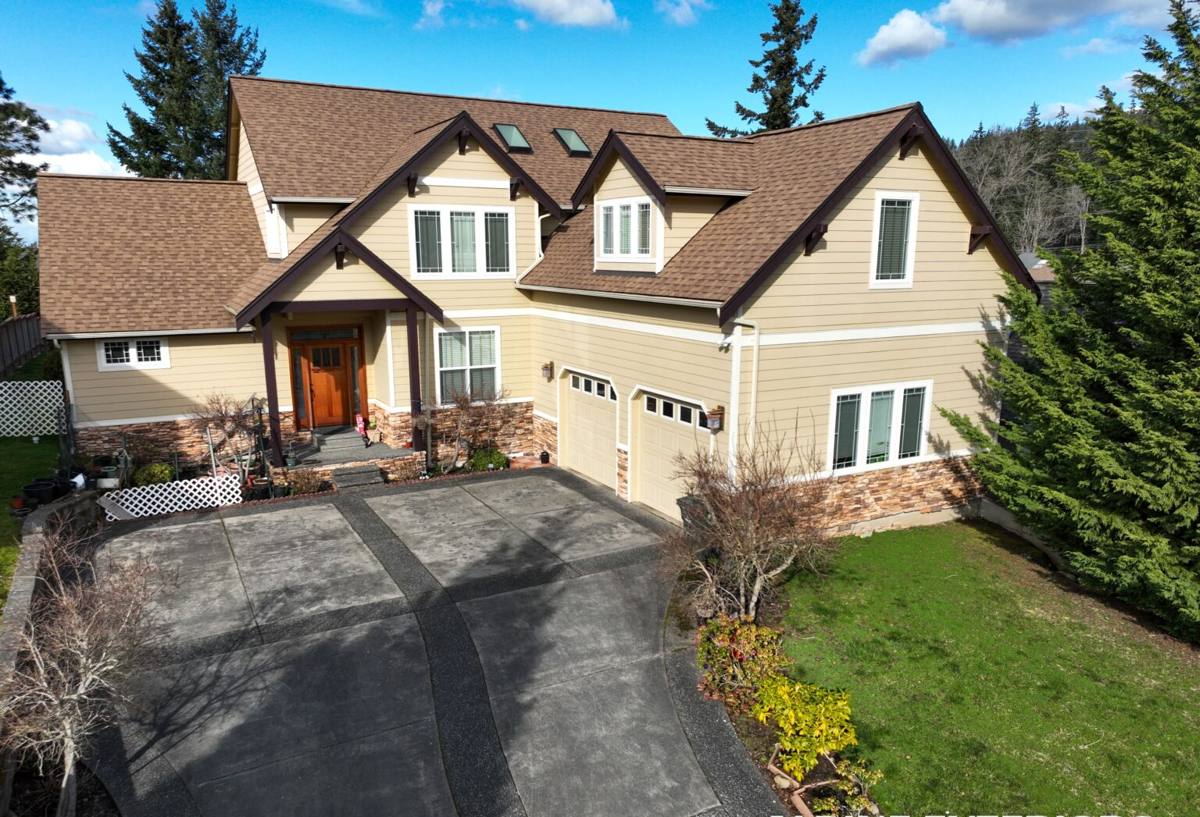
What Local Homes Actually Need From a Deck
A deck in this part of Mount Vernon needs to do three things well: drain, breathe, and resist corrosion. Miss any one of those and you're looking at premature rot, mold staining, or hardware failure well before the structure should need attention.
Drainage comes first
Standing water is the single biggest cause of early deck failure here. Any spot where water can pool — a low joist bay, a ledger board without proper flashing, decking boards installed too tight together — becomes a place where rot and moss start. We build in consistent slope away from the house, proper gapping between boards, and flashing details that get water off the structure instead of trapping it against wood.
Airflow underneath matters as much as the surface
A deck that looks fine on top can be rotting from underneath if the joists and beams can't dry out between storms. We keep enough clearance and ventilation under the deck frame so wet weeks don't turn into a permanently damp crawlspace under your feet.
Corrosion resistance isn't optional near the Sound
The salt air moving in off Padilla Bay and the Sound accelerates rust on standard fasteners and connectors faster than most homeowners expect. We use stainless steel or heavy hot-dip galvanized hardware rated for coastal exposure on every structural connection — joist hangers, ledger bolts, post bases — not just the visible screws.
Decking Material Options for This Climate
There's no single "best" decking material — there's a best material for your budget, your maintenance appetite, and how much direct weather exposure your specific deck location gets. Here's how the common options actually perform in East Mount Vernon conditions:
| Material | How it handles our rain and moss | Maintenance | Typical lifespan |
|---|---|---|---|
| Pressure-treated wood | Needs a consistent seal or stain to shed water and resist moss; untreated end cuts are a weak point | Annual cleaning, re-sealing every 2-3 years | 15-20 years with upkeep |
| Cedar | Naturally moisture-resistant but still needs periodic sealing here; ages to gray if left untreated | Cleaning and oil/stain every 2-3 years | 15-25 years with upkeep |
| Composite decking | Doesn't absorb water or rot, but algae and moss can still grow on the surface film in shaded, damp spots | Periodic wash-down, no staining or sealing | 25-30+ years, manufacturer-warrantied |
| PVC/capped polymer | Fully sealed surface resists moisture and moss buildup best of the low-maintenance options | Occasional wash-down | 25-30+ years, manufacturer-warrantied |
We install all of these. Our recommendation depends on how much shade your deck sits in, whether it's under trees that drop debris, and how much time you want to spend maintaining it. A shaded, north-facing deck in East Mount Vernon is a much better candidate for composite or PVC than a wood deck that will need moss treatment every spring.
Framing, Footings, and What's Underneath the Boards
What you can't see is what determines whether a deck lasts. We size footings to reach stable, load-bearing soil and pour them below frost depth per Skagit County building code. Post bases sit above grade on standoff hardware so posts aren't sitting in standing water after a wet week. Ledger boards — where the deck attaches to the house — get proper flashing so water is directed away from your home's siding and sheathing instead of getting driven behind it during a wind-driven rain event, which is a real and regular occurrence here.
Permits and inspections
Most new decks and significant deck replacements in Mount Vernon require a building permit, and elevated decks typically need engineering sign-off on footings and guardrail attachment. We handle the permit process and schedule inspections as part of the job — you shouldn't have to chase that down yourself, and skipping it can create real problems if you ever sell the house.
Railings and guardrails
Any deck more than 30 inches off grade needs a code-compliant guardrail, and the attachment points for that railing take real structural load — people lean on railings, kids climb on them. We build railing posts into the frame itself, not just bolted to the rim joist, so they don't loosen over time.
How Our Process Works
- On-site assessment. We look at your existing deck (if you have one), the grade, sun and shade exposure, and how water currently moves around that part of your property.
- Design and material selection. We walk through decking material, railing style, and layout based on how you'll use the space and how much maintenance you want to take on long-term.
- Written estimate. A clear, itemized quote — no vague allowances that turn into surprise change orders.
- Permitting. We pull the required Mount Vernon/Skagit County permits and schedule inspections at the appropriate framing and final stages.
- Demo (if replacing an existing deck). Old decking, framing, and any compromised ledger connections are removed and hauled off.
- Framing and structural work. Footings, posts, beams, joists, and ledger flashing go in first, built to hold up to our wet season, not just look right on installation day.
- Decking, railing, and finish work. Boards, railings, stairs, and any fascia or skirting are installed and finished.
- Final walkthrough and inspection. We review the finished deck with you and close out any required final inspection.
Moss, Algae, and Drainage: Managing the Long Wet Season
Moss doesn't grow because a deck is old — it grows because a surface stays damp and doesn't get enough light or airflow to dry out between rain events. East Mount Vernon's tree cover and long stretches of overcast, rainy weather from fall through spring create exactly those conditions. We reduce the risk at the build stage by making sure boards are properly spaced and sloped, and by avoiding decking layouts that trap leaf litter and debris against the surface.
That said, no decking material is completely maintenance-free in this climate. Wood decks need periodic cleaning and re-sealing to keep moisture out. Composite and PVC decks resist moisture damage but can still grow a thin layer of algae or moss film in deeply shaded spots — a wash with a deck cleaner and a stiff brush a couple times a year handles it. What matters most is catching it early, before it holds moisture against the board surface long enough to cause staining or slip hazards.
What Affects the Cost of a Custom Deck
Every deck is priced around its specific site conditions and design, but the same handful of factors drive cost up or down on most East Mount Vernon projects:
| Factor | Why it moves the price |
|---|---|
| Height off grade | Taller decks need deeper footings, more substantial framing, and stairs, and often trigger engineering review |
| Decking material | Composite and PVC cost more upfront than wood but need far less maintenance spending over the deck's life |
| Ground conditions | Poor soil, slope, or limited access for equipment can add labor time for footings and material staging |
| Railing style | Cable, glass, and custom metal railings cost more than standard wood or composite balusters |
| Roof or cover | A covered deck or one that ties into a patio roof adds framing and flashing complexity |
| Permit and engineering requirements | Larger or elevated decks may need stamped engineering for footings and guardrails |
We won't quote a deck without seeing the site — soil, slope, and existing structure all affect what the footings and framing need to look like, and guessing at that leads to change orders later.
A Homeowner's Deck Maintenance Checklist
Whatever material you choose, a little seasonal attention goes a long way in this climate. Here's what we recommend to every East Mount Vernon customer after their deck is finished:
- Sweep leaves and debris off the deck surface regularly through fall — trapped organic matter holds moisture and feeds moss
- Clean the surface with a deck wash once or twice a year, especially in shaded areas
- Check for standing water after a heavy rain — puddling that doesn't drain within a few hours can signal a slope or drainage issue worth addressing
- Inspect railings and stair connections annually for any looseness
- For wood decks, re-seal or re-stain on a 2-3 year cycle, sooner if you see the finish wearing thin
- Keep gutters and downspouts near the deck clear so roof runoff isn't dumping extra water onto or under the structure
- Trim back overhanging branches where practical to cut down on shade, debris, and moss pressure
Why It Matters to Hire a Crew That Already Works This Neighborhood
A deck built to a generic set of plans without accounting for East Mount Vernon's rain volume, salt air, and moss pressure will show its age faster than it should. We build decks throughout Mount Vernon and Skagit County, and the details we put into flashing, fastener selection, and drainage are shaped by what we've seen fail on decks in this exact area — not a one-size-fits-all approach pulled from a drier climate. We also know the local permitting process, which keeps your project moving instead of stalled waiting on paperwork we've never dealt with before.
If you're planning a new deck or replacing one that's showing rot, moss staining, or loose hardware, we're happy to come take a look and talk through what makes sense for your property. Reach out for a free, no-pressure estimate using the form below.