 Mount Vernon
 Deck Repair Built for Little Mountain's Weather
Little Mountain sits close enough to the water and open enough to weather that decks here take a beating most inland homes never see. Salt-laden air off the Sound corrodes fasteners and hardware faster than manufacturers' warranties account for. Driving rain off Skagit County's winter systems finds every gap in flashing and every seam in decking. And the long, damp moss season — often stretching from late fall through spring — keeps wood surfaces wet for weeks at a stretch, which is exactly the condition rot needs to take hold. A deck repair that ignores any of these three factors tends to fail again within a few seasons. Ours doesn't.
We work on decks throughout Mount Vernon, but Little Mountain's mix of tree cover, elevation, and exposure gives it its own repair profile. This page covers what that means in practice — what actually fails, what a correct repair looks like, and how we approach the job.
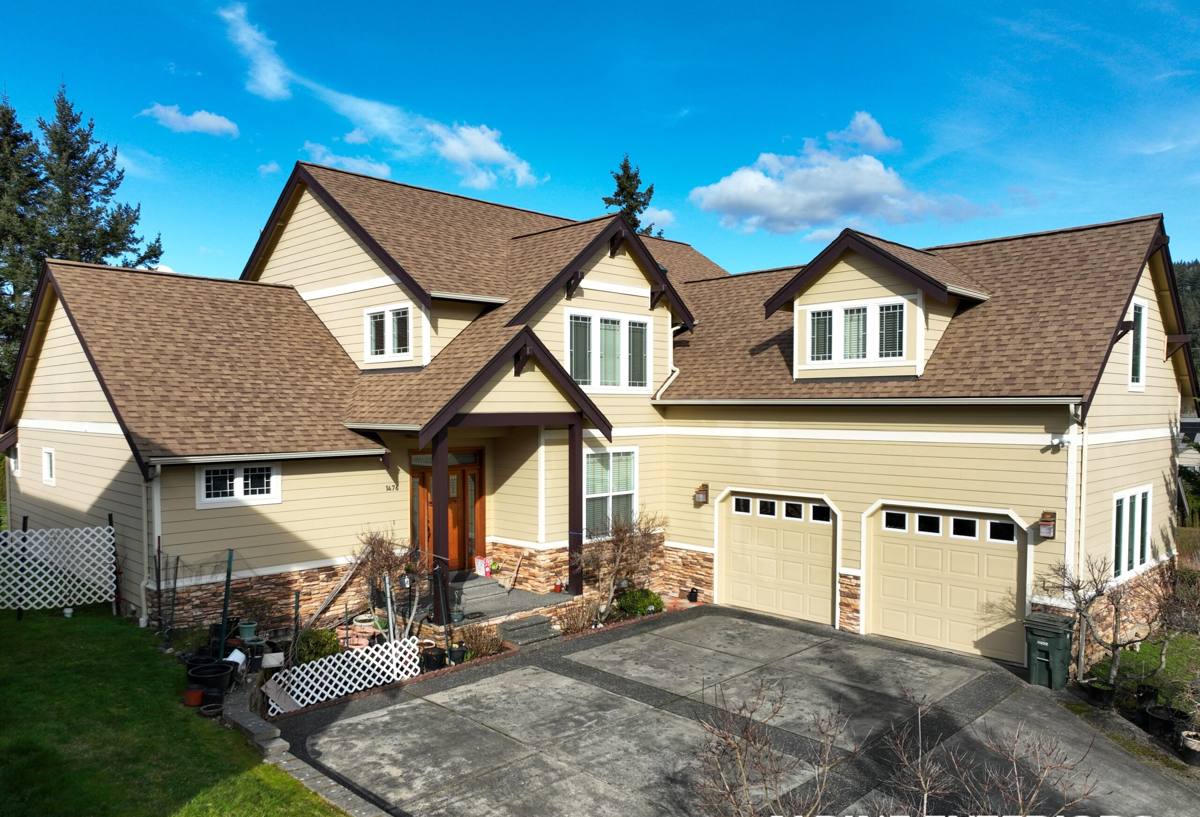
What Skagit County Weather Does to a Deck
Three conditions do most of the damage on decks in this area, and they compound each other.
Salt Air and Corrosion
Even a few miles inland, salt-carrying air accelerates corrosion on nails, screws, joist hangers, and post bases. Once a fastener starts to rust, it loses holding strength long before the corrosion is visible from the surface. A deck that looks solid can have hardware quietly failing underneath.
Driving Rain and Water Intrusion
Wind-driven rain doesn't just fall on a deck — it gets pushed sideways into ledger boards, under railing posts, and into any gap where flashing was skipped or installed poorly the first time. Water that gets behind or under a structural component and can't drain or dry out is the single biggest cause of hidden rot.
Extended Moss Season
Moss and algae hold moisture against wood and composite surfaces for much longer than rain alone would. On shaded lots or decks under tree cover — common around Little Mountain — moss can keep boards damp for weeks even between storms, softening wood fibers and degrading the surface of composite boards over time.
Signs a Little Mountain Deck Needs Repair, Not Replacement
Most decks don't need to be torn out and rebuilt. They need the specific components that failed addressed correctly. Common signs we look for on service calls in this area include:
- Soft or spongy spots in decking boards, especially near the house or under moss buildup
- Rust staining around fasteners or visible corrosion on joist hangers and post bases
- A railing or guardrail that flexes, wobbles, or has any give when pushed
- Gaps or separation where the deck ledger meets the house wall
- Stair stringers that feel different underfoot than they used to — bounce, creak, or slight movement
- Persistent moss or dark staining that keeps returning after cleaning
- Popped or backed-out fasteners along board edges
If what you're seeing is limited to a few of these, a targeted repair is almost always the right call. Full replacement makes sense when the framing itself — the joists, beams, or posts — has widespread rot, not just isolated failures.
What a Correct Deck Repair Actually Involves
Ledger Board and Structural Connections
The ledger board — where the deck attaches to the house — is the most safety-critical connection on the whole structure and the most common place we find water damage that isn't visible from above. A correct repair means pulling decking back far enough to inspect the ledger and its flashing directly, not just caulking over a visible gap.
Decking Boards and Moisture Damage
Individual boards get replaced when they're soft, cracked, or cupping — but we also check what's underneath. A rotted board sitting on a sound joist is a simple fix. A rotted board sitting on a joist that's also compromised is a different job, and it's important to know which one you actually have before pricing the repair.
Railings and Guardrails
Railing failures are a safety issue, not a cosmetic one. Movement in a railing usually traces back to the post connection at the deck frame, not the railing itself, so a proper repair addresses the anchor point, not just the visible wobble.
Stairs
Stair stringers take repeated point-load stress and are often installed with minimal flashing to begin with. On older decks in this area, stair stringer rot is one of the more common repairs we handle, particularly where stairs meet grade and stay damp longer than the rest of the deck.
Repair or Replace: What Drives the Decision
| Factor | Favors Repair | Favors Replacement |
|---|---|---|
| Extent of damage | Isolated to a few boards, one railing section, or stairs | Widespread rot across joists, beams, or multiple structural posts |
| Deck age | Under 15-20 years with sound framing | Original framing is decades old and undersized by current code |
| Ledger condition | Ledger and flashing are sound once inspected | Ledger has active rot or was never flashed correctly |
| Fastener condition | Corrosion is localized | Widespread rust on structural hardware throughout |
| Budget goal | Extend usable life at lower cost | Want a size, layout, or material change anyway |
As a general guide, straightforward board and railing repairs on an otherwise sound deck often run in the low thousands of dollars, while structural repairs involving ledger, joist, or stair stringer replacement cost more depending on scope. A full replacement is its own project and pricing conversation. We'll tell you honestly which category your deck falls into before any work starts.
Our Deck Repair Process
- On-site inspection. We walk the full deck, check underneath where accessible, and test railings, stairs, and board integrity — not just what's visible from the top.
- Straight assessment. We tell you what's actually failing, what's still sound, and whether repair or replacement makes more sense for your situation and budget.
- Written scope. You get a clear description of what's being repaired and why, so there's no ambiguity about what the job covers.
- Correct removal. We pull back only what's needed to properly inspect and access the damaged components — including checking the ledger and framing, not just swapping visible boards.
- Repair with attention to water management. Any repair that doesn't address how water sheds and drains around it will fail again. We flash, slope, and gap boards correctly as part of the repair, not as an afterthought.
- Cleanup and walkthrough. We show you what was done and what to watch for going forward.
Materials and Fasteners We Use
Given the salt air and moisture conditions common around Little Mountain, we're selective about hardware and fasteners specifically — this is where cheap materials cost homeowners the most in early failures. We use corrosion-resistant, code-rated fasteners and structural hardware rated for exterior and coastal-adjacent exposure, and we match decking board repairs to the existing material where practical, whether that's wood or composite.
On composite decking, our standard is to match manufacturer-specified fastening and spacing exactly, since composite boards expand and contract differently than wood and improper fastening is a common cause of buckling or gapping down the line. On wood decking, we prioritize proper gap spacing and end-grain sealing at cuts, since end grain is where wood absorbs moisture fastest.
Why Local Experience in Little Mountain Matters
A deck repair crew that mainly works drier, inland areas can miss what matters here. Knowing that a north-facing deck under tree cover in this area will hold moss and moisture longer than a south-facing one changes how we sequence a repair and what we flag for future maintenance. Knowing how far salt air travels inland from the Sound changes what fastener grade we spec. That's not generic deck knowledge — it's specific to working this part of Skagit County repeatedly.
We also know what typical framing and construction practices look like on homes of the vintage common in this area, which speeds up diagnosis and keeps repair estimates accurate instead of turning into surprises once work is underway.
Maintenance Checklist Between Repairs
A repaired deck lasts longer with basic upkeep. This is what we recommend to Little Mountain homeowners after a repair:
- Clear moss and debris from board surfaces and gaps at least twice a year, more often under heavy tree cover
- Check railing posts for movement once a year, especially after winter storms
- Keep gutters and downspouts clear so runoff isn't dumping extra water onto or near the deck
- Inspect the ledger board area annually for any gap, staining, or separation from the house
- Re-seal or re-stain wood decking on the manufacturer's recommended schedule — don't wait for visible graying
- Address soft spots or loose fasteners as soon as you notice them rather than waiting for the next season
If your deck has soft boards, a wobbly railing, or you're just not sure what condition it's in, we'll come take a look and give you a straight assessment — no pressure, no upsell. Fill out the form below for a free estimate.