 Mount Vernon
 Deck Repair Built for Downtown Mount Vernon's Weather
Downtown Mount Vernon sits close to the Skagit River, with mature street trees, tight lots, and a mix of older homes and newer infill construction. That combination creates a specific set of problems for decks: shade from trees and neighboring buildings slows drying time, river-valley humidity keeps wood damp longer than it looks, and moss gets a foothold fast on any surface that doesn't see full sun for most of the day. Add in Skagit County's long wet season and the salt-tinged air that rolls in off Puget Sound, and a deck here ages differently than one out in the open on a dry ridge.
We repair decks specifically for this kind of exposure — not a generic "deck fix" checklist, but an approach that accounts for what actually happens to wood and fasteners in a shaded, damp, moss-prone downtown lot. That means knowing where to look first, what materials hold up, and how to stop a small problem from becoming a full rebuild.
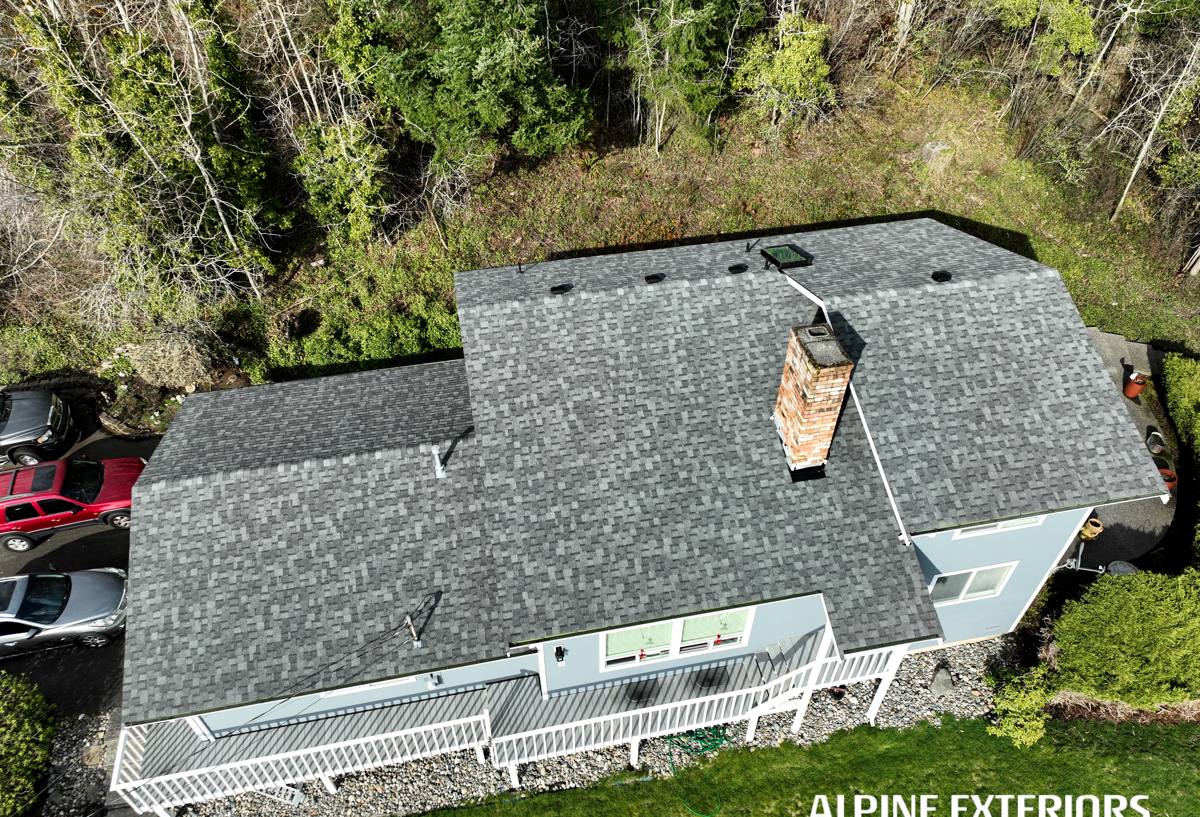
What Downtown Mount Vernon's Climate Does to a Deck
Moss and Organic Buildup
Moss isn't just cosmetic. Once it establishes on decking boards, railing tops, or stair treads, it holds moisture against the wood around the clock instead of letting it dry between rain events. That constant dampness is what actually causes rot — not the rain itself, but the fact that the wood never gets a chance to dry out. Shaded decks under trees or against north-facing walls are the worst affected, and downtown lots with mature landscaping see this more than open suburban yards.
Driving Rain and Wind-Driven Moisture
Storms coming off the Sound don't just fall straight down — wind pushes rain sideways into railings, under handrail caps, and into any gap where flashing or caulking has failed. Vertical surfaces like fascia boards and rail posts take more water than homeowners expect, especially on decks that face west or south toward prevailing weather.
Salt Air and Metal Fasteners
Mount Vernon isn't beachfront, but it's close enough to tidal water that salt-laden air reaches inland neighborhoods, including downtown. Over years, that air accelerates corrosion on lower-grade screws, nails, and joist hardware. Corroded fasteners lose holding strength long before the surrounding wood looks bad, which is why a deck can feel solid on top while having weak connections underneath.
Freeze-Thaw and Seasonal Swings
Skagit County doesn't get extreme cold most winters, but it gets enough freeze-thaw cycling that water trapped in a crack or a compromised joint expands and contracts repeatedly. That cycle widens small cracks into bigger ones over a few seasons, which is why deck damage here tends to be gradual and easy to underestimate until it isn't.
Signs a Downtown Mount Vernon Deck Needs Repair
- Soft or spongy spots underfoot, especially near the house or under planters and furniture that block airflow
- Moss or dark green-black staining on boards, rail tops, or stair treads that doesn't scrub off easily
- Gaps opening up between the deck and the house at the ledger board
- Rust streaks running down from screw heads or bolt connections
- Railings that flex, wiggle, or feel less rigid than they used to
- Stair stringers that creak, sag, or show daylight where they meet the deck frame
- Standing water that takes more than a day to fully dry after a storm
- Peeling or bubbling finish on top of otherwise solid-looking boards
Any one of these on its own might be minor. Several together, or any sign near the ledger board (the point where the deck attaches to the house), is worth a closer look before it becomes a structural issue.
The Ledger Board: Where Small Problems Become Big Ones
The ledger board is the piece that bolts the deck to the house framing, and it's the single most important connection on the entire structure — it's what keeps the deck from pulling away from the building. In a climate like Skagit County's, the ledger is also one of the first places moisture damage shows up, because it sits against the house wall where drainage is often worst and where older flashing details may not meet current standards.
When we inspect a deck for repair, the ledger connection gets checked first, even if that's not why the homeowner called. Rot or corrosion here isn't a cosmetic fix — it's a structural one, and it's far cheaper to address early than after a board separates or a section of decking becomes unsafe to stand on.
What a Correct Deck Repair Actually Involves
Inspection Before Any Work Starts
We probe suspect boards, framing members, and connection points with a screwdriver or awl rather than just looking at the surface. Wood that looks fine on top can be soft an inch below. We also check joist hangers, ledger bolts, and post bases, since hardware failure is just as common as wood rot in a damp climate.
Matching Repair Scope to Actual Damage
Not every repair needs to be a rebuild, and not every deck can be saved with a few board replacements. Part of an honest repair is telling a homeowner clearly which category their deck falls into, and why. We break it down roughly like this:
| Repair Type | What It Involves | When It Applies |
|---|---|---|
| Spot repair | Replace individual rotted boards, tighten or replace corroded fasteners, address isolated soft spots | Damage is localized and the frame underneath is sound |
| Structural repair | Sister or replace damaged joists, rebuild ledger connection, reinforce post bases | Framing is compromised but the overall footprint and layout are still usable |
| Partial rebuild | Full decking and railing replacement over an existing (repaired) frame | Surface materials are failing broadly but the substructure can be saved |
| Full rebuild | Complete removal and reconstruction from the ledger out | Framing rot is widespread or the deck was undersized/miscoded to begin with |
Rebuilding With the Right Materials for This Climate
When boards need replacing, we use materials chosen for what actually survives a shaded, damp downtown lot — not just what's cheapest. That usually means pressure-treated framing rated for ground contact where moisture exposure is high, and decking material selected based on how much sun and airflow that specific deck actually gets. A deck tucked under trees needs a different maintenance conversation than one in an open, sunny yard, and we're upfront about that difference rather than selling the same material for every situation.
Fastener and Hardware Upgrades
Given the salt-air corrosion issue, repairs typically include upgrading to corrosion-resistant fasteners and structural hardware rated for exterior, coastal-adjacent use — even on inland Mount Vernon jobs — rather than reusing standard-grade screws that will just corrode again on the same timeline.
Our Repair Process, Start to Finish
- Free on-site estimate. We walk the deck with you, probe suspect areas, and check the ledger and framing, not just the surface.
- Written scope and price. You get a clear explanation of what's damaged, why, and which repair category it falls into — spot repair through full rebuild.
- Material selection based on exposure. We factor in how much sun, shade, and moss pressure your specific deck sees before recommending decking and framing materials.
- Repair or rebuild work. Damaged material is removed, framing and hardware are corrected first, then decking, railing, and stairs are addressed.
- Final walkthrough. We check the completed work with you and flag any maintenance items — drainage, moss-prone spots, or areas to watch — before we consider the job done.
Cost Factors for Deck Repair in Downtown Mount Vernon
Every deck is different, but the main variables that drive price are consistent across most Downtown Mount Vernon jobs:
| Factor | Why It Matters |
|---|---|
| Extent of framing damage | Surface board replacement is far less costly than joist or ledger repair, which requires temporary support and more labor |
| Ledger board condition | Ledger repairs involve working against the house structure and often flashing correction, adding time and complexity |
| Decking material chosen | Wood, composite, and PVC decking carry different material costs and different long-term maintenance needs |
| Accessibility | Tight downtown lots, limited yard access, or second-story decks can add labor time |
| Railing and stair scope | Code-compliant railing and stair rebuilds add material and labor beyond deck-surface repair alone |
We give a straightforward, itemized estimate before any work starts, so there's no guessing about what's driving the cost.
Why Hire a Crew That Already Works Downtown Mount Vernon
A contractor who works this specific area regularly already knows which lots sit in deeper shade, which older homes tend to have undersized original framing, and how far salt-tinged air reaches inland from the water. That local knowledge shows up in practical ways — knowing to check a north-facing ledger first, or recommending a decking material based on how much sun a particular block actually gets rather than a one-size-fits-all answer. It also means faster response for estimates and follow-up, since we're not driving in from out of the area for every visit.
We also carry the licensing and insurance you should expect from any contractor working on your home's structure, and we're happy to walk through that with you before work begins.
Maintaining Your Deck After Repair
A repaired or rebuilt deck still needs some upkeep to hold up in this climate, especially if the lot is shaded or tree-covered:
- Sweep leaves and debris off the deck surface regularly, especially in fall, so moisture doesn't sit trapped underneath
- Rinse or scrub moss growth before it establishes a foothold, rather than after it's spread across several boards
- Keep planters and furniture legs off direct wood contact where possible, or move them periodically to let boards dry evenly
- Check railing connections and stair treads once a year for any new looseness or corrosion
- Reapply sealant or finish on wood decking on the schedule the product recommends — skipping this is one of the fastest ways to shorten a deck's life here
If you're seeing soft spots, moss buildup, rust staining, or a railing that doesn't feel as solid as it used to, it's worth getting a second set of eyes on it before the damage spreads. We offer free, no-pressure estimates for Downtown Mount Vernon homeowners — fill out the form below and we'll take a look.