 Mount Vernon
 Decks in Blanchard Face a Tougher Climate Than Most Backyard Projects Account For
Blanchard sits in a stretch of Skagit County where the weather off the water and the wet winters do more damage to outdoor structures than most homeowners expect. A deck built the same way you'd build one in a dry inland climate will show problems here within a few years — cupped boards, rusted fasteners, slick green growth on the walking surface, and soft spots where water sat too long. Building a deck that actually holds up in Blanchard means designing around the specific conditions of this area from the start, not just installing a standard deck kit and hoping for the best.
This page covers what we've learned building and repairing decks for homes in and around Blanchard: what the climate does to different materials, what a correctly built deck involves structurally, and how our process works for local projects.
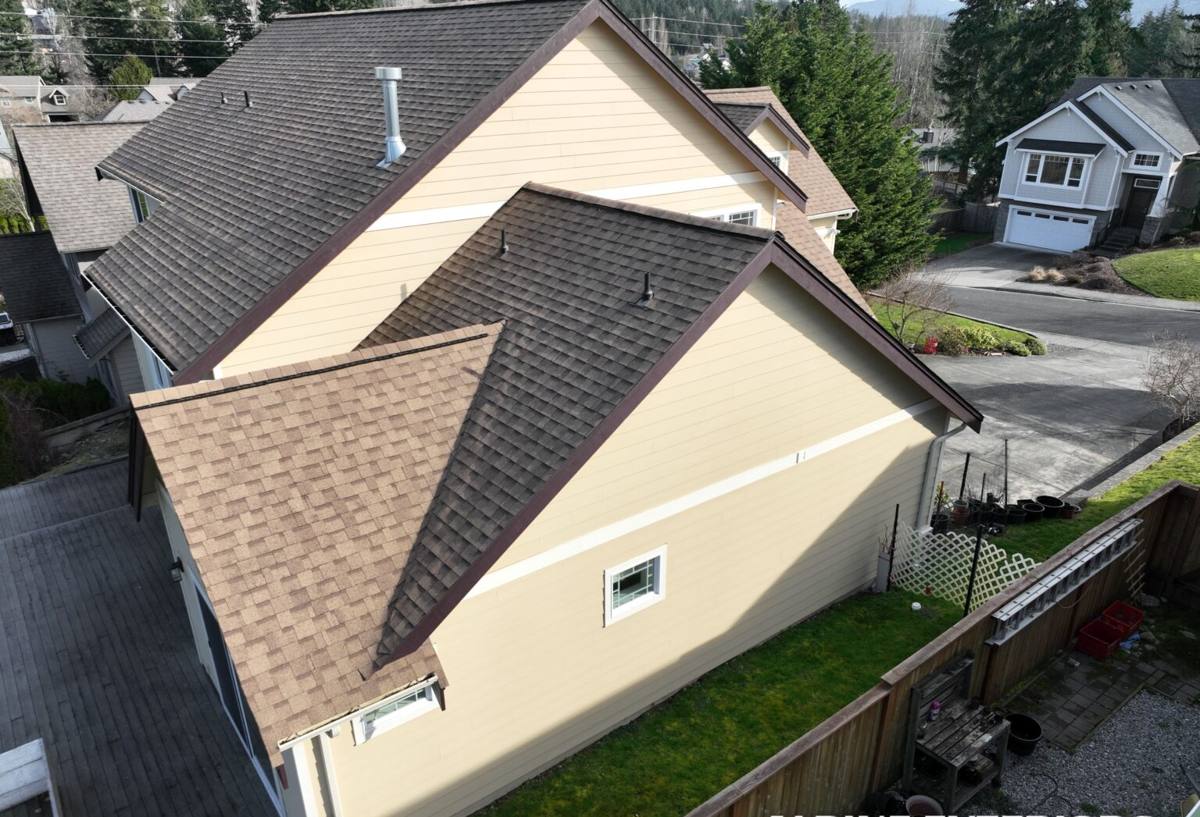
What Blanchard's Climate Does to an Outdoor Deck
Three conditions drive almost every deck problem we see in this part of Skagit County.
Salt-Tinged Marine Air
Proximity to the water means the air here carries more salt and moisture than a deck built further inland would ever see. Salt-laden air accelerates corrosion on any exposed metal — nails, screws, joist hangers, railing brackets — and it speeds up the breakdown of lower-grade wood finishes. A deck that's structurally sound but was built with standard interior-grade or mismatched hardware can develop rust streaks and weakened connections well ahead of schedule.
Driving Rain, Not Just Rain
Western Washington gets plenty of rain, but wind-driven rain off the water is a different problem. It gets pushed sideways into ledger connections, under railing posts, and into any seam or gap that a calmer rain would never reach. Flashing, sealing, and slope details that would be optional in a drier climate are not optional here — they're the difference between a deck that sheds water and one that slowly absorbs it.
A Long Moss and Algae Season
Skagit County's wet season stretches long, and shaded or north-facing decks in Blanchard can stay damp for weeks at a stretch. That moisture supports moss and algae growth on decking surfaces, especially wood and some composite boards with the wrong surface texture. Beyond looking bad, a mossy deck surface gets genuinely slippery — a real safety issue on stairs and landings.
Choosing Decking Material for This Climate
There's no single "best" decking material — every option is a tradeoff between upfront cost, maintenance commitment, and how it behaves in wet, salty, shaded conditions. Here's how the common choices stack up for a Blanchard project specifically.
| Material | How It Handles This Climate | Maintenance | Typical Lifespan Here |
|---|---|---|---|
| Pressure-treated wood | Affordable and strong, but needs consistent sealing to resist moisture absorption and salt exposure; unsealed boards cup and check faster near the water | Annual cleaning and re-sealing recommended | 10-15 years with upkeep |
| Cedar | Naturally moisture- and insect-resistant, ages to a silver-gray patina if left unfinished; still benefits from periodic cleaning to slow moss buildup | Periodic cleaning; staining optional, not mandatory | 15-20 years |
| Composite decking | Resists rot and doesn't need sealing, but surface texture matters — some textures hold moisture and grow algae faster than others in shaded, damp spots | Occasional washing; no staining or sealing | 25+ years |
| PVC/capped polymer | Fully moisture-sealed, very low maintenance, holds up well against salt air; higher upfront cost | Occasional washing | 25-30+ years |
For homes closer to open water or in consistently shaded lots, we usually steer clients toward composite or capped polymer boards with a textured, moisture-shedding surface, specifically because they hold up better against the moss and algae cycle than raw wood does. That's a judgment call based on maintenance tolerance and moisture behavior — not a claim that wood decking is a bad product. Plenty of homeowners are happy with a well-sealed cedar deck as long as they're willing to keep up with the annual care it needs.
Framing and Structure: Where Most Deck Failures Actually Start
The decking surface is what you see, but the framing underneath is what determines whether a deck is safe and long-lasting. This is also where corner-cutting is hardest to spot after the fact — and where Blanchard's conditions punish shortcuts hardest.
Ledger Attachment
The ledger board — where the deck attaches to the house — is the single most common point of failure on older or poorly built decks. It needs proper flashing that directs water away from the house rim joist, not just a bead of caulk. In a driving-rain climate, a ledger without correct flashing will eventually let water into the wall structure behind it, which is a much bigger and more expensive problem than the deck itself.
Footings and Post Bases
Skagit County's soil holds moisture, and footings need to be set to the correct depth and bear on solid ground, with post bases that keep the post itself lifted off standing water rather than sitting directly on a wet footing. Post bases with a stand-off design keep the end grain of a wood post away from constant moisture contact, which matters over the life of the structure.
Joist Hangers and Fasteners
Given the salt content in the air here, we use fasteners and joist hardware rated for coastal or high-corrosion exposure rather than standard interior-grade galvanized hardware. It costs a bit more upfront, but mismatched or under-rated hardware is one of the most common causes of premature rust staining and weakened connections we see on decks that are otherwise in decent shape.
Drainage and Under-Deck Moisture Management
Water management doesn't stop at the decking boards. A deck that's high enough off the ground, or built over a walkout basement or patio, needs a real plan for where water goes once it passes between the boards.
- Correct slope away from the house on the ledger side, so water runs off rather than pooling against the structure
- Gapping between boards sized appropriately for the material, so water drains through instead of sitting on the surface
- Under-deck drainage systems where the space below is used as living or storage area, to keep that zone dry
- Ventilation under low-clearance decks so the framing can dry out between rain events instead of staying damp for weeks
- Keeping soil and mulch beds away from direct contact with framing members and posts
Railings, Stairs, and Hardware Choices for Salt Air
Railing systems take a lot of abuse in this climate because they're the most exposed part of the structure — full sun, full rain, and full salt-air contact with no roof overhang protecting them in most designs. Metal railing components need a coastal-rated finish or true stainless hardware at connection points, since standard finishes can pit and streak rust onto the decking below within a couple of seasons. Wood or composite railing caps should be detailed the same way as the decking itself, including attention to end grain sealing on any wood components, since horizontal surfaces catch and hold the most moisture.
Stairs deserve particular attention to surface texture and moss resistance, since a slippery stair tread is a safety issue, not just a cosmetic one. We pay attention to tread material and any added grip detailing specifically because Blanchard's shaded, damp stretches of the year make stairs one of the first places moss takes hold.
Our Process for a Custom Deck Project in Blanchard
1. On-Site Assessment
We walk the property to look at sun and shade exposure, wind direction relative to the water, existing drainage patterns, and soil conditions — all of which shape material and structural recommendations specific to that lot.
2. Design and Material Selection
We talk through decking material, railing style, and layout with the tradeoffs laid out honestly — including how each option will actually hold up given that specific site's exposure, not just how it looks in a showroom.
3. Permitting
Deck projects in Skagit County generally require permitting depending on size, height, and attachment to the home. We handle that process as part of the job rather than leaving it to the homeowner to sort out.
4. Build
Framing first, with attention to ledger flashing, footing depth, and corrosion-rated hardware throughout — then decking, railings, and stairs installed to shed water rather than trap it.
5. Final Walkthrough
We go over the finished deck together, including what maintenance it will and won't need, so there are no surprises about upkeep once the first wet season hits.
Maintaining a Deck Through Blanchard's Wet Season
Whatever material you choose, a bit of seasonal attention goes a long way toward getting the full lifespan out of the structure.
- Sweep debris off the deck surface regularly in fall to stop organic buildup that feeds moss growth
- Clean the surface at least once a year with a deck-safe cleaner to knock back algae before it takes hold, especially on shaded sections
- Check and re-seal wood decking on the manufacturer's recommended schedule — don't wait until it visibly needs it
- Inspect metal hardware and railing connections annually for early rust staining, which shows up before structural weakening does
- Keep gutters and downspouts near the deck clear so runoff isn't dumping extra water onto or under the structure
- Clear leaves and debris from between decking boards so drainage gaps stay open through the wet months
Why Hiring a Crew That Already Works in Blanchard Matters
A deck built to a generic national spec sheet isn't necessarily built for this specific stretch of coastline. A crew that already works siding, decks, and exterior projects around Mount Vernon and the surrounding Skagit County waterfront communities has already seen which hardware rusts first, which decking textures grow moss fastest in the shade, and which ledger details actually keep water out during a real driving-rain event — not just a mild-climate rain. That local track record shapes every material and structural decision on a new build, rather than learning those lessons on the homeowner's project.
It also matters for warranty and long-term support. A crew based in the area is available for the annual check-ins, minor repairs, or questions that come up years down the line — not just for the initial build and then gone.
Get a Free, No-Pressure Estimate
If you're planning a new deck or replacing an aging one in Blanchard, we're happy to walk the site, talk through material options honestly, and put together a straightforward estimate — no pressure, no pushy sales pitch. Use the form below to get started.