 Mount Vernon
 Window Replacement Built for Big Lake's Climate
Homes around Big Lake sit in a pocket of Skagit County that gets hit with a specific combination of weather: moisture off the lake and surrounding wetlands, salt-tinged air carried in from Puget Sound, driving rain that comes in sideways during fall and winter storms, and a moss season that can run half the year in shaded, tree-lined yards. Windows here don't fail because they're old in the abstract sense — they fail because water, humidity, and organic growth find every weak point in the frame, the seal, and the flashing over time. Replacing windows in this area isn't just a cosmetic upgrade. It's a chance to fix the water management details that the original installation may have gotten wrong.
We work in and around Mount Vernon regularly, and Big Lake is a neighborhood we know well — the tree cover, the humidity that hangs low near the water, and the way older homes in the area were often built before current moisture-barrier standards were common practice.
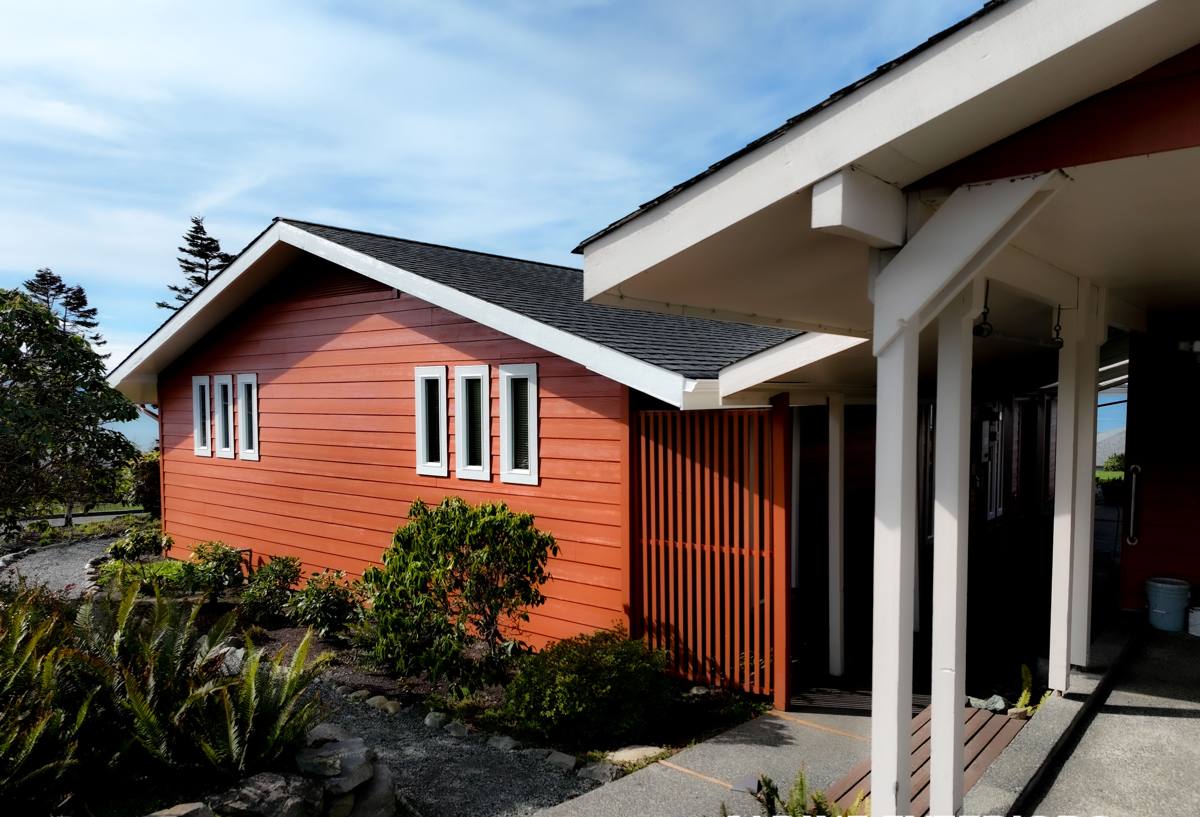
What Big Lake Homes Typically Need
No two houses are identical, but we see recurring patterns in this part of Skagit County:
- Wood-frame windows with sills that have absorbed years of standing moisture, leading to soft spots or visible rot at the corners
- Single-pane or early double-pane units with failed seals — you'll see fogging or condensation trapped between the panes
- Aluminum-frame windows from past decades that conduct cold and sweat heavily on the inside during wet winters
- Caulk and flashing that was adequate when installed but has since cracked, shrunk, or been overtaken by moss and algae
- North- and west-facing windows showing more wear than others, thanks to prevailing wind-driven rain
Because Big Lake has more tree cover and shade than open areas closer to town, moss and mildew tend to show up faster on trim and sills here than they might on a house in a more exposed, sun-exposed location. That's a maintenance issue, but it's also a sign of where moisture is sitting against wood it shouldn't be sitting against.
Signs It's Time to Replace, Not Repair
Not every window needs full replacement. Some just need re-caulking, new weatherstripping, or a hardware fix. Replacement makes sense when you're seeing:
- Soft or spongy wood at the sill or bottom corners of the frame
- Fogging between panes that won't clear — the seal is gone and the gas fill (if any) has escaped
- Drafts you can feel with your hand near the frame on a windy day
- Windows that are difficult to open, close, or lock properly
- Visible daylight or gaps around the frame from outside
- A noticeable jump in heating costs without another clear cause
What a Correct Installation Involves
Window replacement done right is mostly about what happens before the new window ever goes in the opening. In a climate like ours, the flashing and moisture barrier details matter more than the window brand itself.
Removal and Inspection
We remove the old window carefully and inspect the rough opening — the framing, sheathing, and any existing house wrap — for hidden rot or moisture damage. This is often where older Big Lake homes reveal problems that weren't visible from outside: soft sheathing, staining, or a house wrap that was never properly integrated with the original window flange.
Flashing and Water Management
Every opening gets flashed to shed water downward and outward, never letting it collect behind the siding or pool on the sill. This means proper sill pan flashing, correctly lapped house wrap, and sealant placed only where it should be — not as a substitute for good flashing, but as a secondary line of defense. In a high-moisture area like this, skipping or rushing this step is the single biggest reason windows fail again within a few years of replacement.
Setting the Window
The new window gets shimmed level, plumb, and square, then fastened according to the manufacturer's specifications — not just "close enough." An out-of-square window stresses the seals and hardware from day one, which shortens its service life regardless of quality.
Insulation and Air Sealing
The gap between the window frame and the rough opening gets filled with an appropriate low-expansion foam or insulation — enough to stop air movement and reduce condensation risk, without overfilling in a way that bows the frame.
Exterior Trim and Sealant
Trim gets reinstalled or replaced, and sealant is applied at the specific joints where it belongs — not smeared broadly as a catch-all. Over-caulking can actually trap moisture behind the trim instead of letting it drain, which is a common mistake we correct on older Big Lake homes.
Window Options and How We Talk You Through Them
We install vinyl and fiberglass window lines that hold up well in wet, moderate-temperature climates like ours. Wood-clad windows have real appeal, but they carry a higher long-term maintenance burden in an area with this much rain and moss pressure — the exposed wood surfaces need more frequent upkeep to avoid the same rot issues you're likely replacing in the first place. We'll walk you through the trade-offs honestly rather than push whatever has the best margin.
| Frame Material | Moisture Behavior | Maintenance | Typical Fit for Big Lake Homes |
|---|---|---|---|
| Vinyl | Won't rot, doesn't need painting, handles humidity well | Low — occasional cleaning | Strong all-around choice for budget and durability |
| Fiberglass | Very stable in wet/dry cycles, minimal expansion or contraction | Low | Good for larger openings or higher-end remodels |
| Aluminum | Conducts cold, prone to interior condensation in winter | Moderate | Generally not our recommendation for this climate |
| Wood / wood-clad | Attractive but vulnerable to moisture at joints and sills over time | High — regular inspection and refinishing | Workable with a strong maintenance commitment |
Energy Performance in a Marine Climate
Skagit County doesn't see the temperature extremes of eastern Washington, but the constant dampness and wind create their own energy challenges — mainly through air infiltration and condensation rather than pure heat loss. When we spec glass and frame packages for Big Lake homes, we're weighing:
- Low-E coatings that help manage heat gain in summer and retain warmth in winter
- Proper gas fill and spacer systems that resist seal failure in humid conditions
- Frame materials that won't warp or swell with seasonal moisture changes
Better performance here shows up less as a dramatic bill reduction and more as fewer drafts, less interior condensation on cold mornings, and a more even indoor temperature room to room.
Why a Crew That Works Big Lake Regularly Matters
General contractors who don't do a lot of work in this specific area sometimes underestimate how much moisture and shade affect a job here. A flashing detail that's fine on a sunny, exposed lot in a drier part of the state can be inadequate on a shaded Big Lake property where a wall stays damp for days after a storm. Knowing the local conditions changes decisions on the ground — how much drying time to allow before closing up an opening, which sealants perform reliably in persistent humidity, and where to expect hidden rot before you even open the wall.
We're a Mount Vernon-based crew, and Big Lake is part of our regular service area — not a rare trip out. That means we're familiar with how homes in this pocket of Skagit County were typically built and where they tend to show wear first.
Our Process, Start to Finish
- On-site assessment — we look at each window individually, not just the house as a whole, since exposure varies by direction and shading even on the same property
- Honest recommendation — repair where it makes sense, replace where it doesn't, with reasoning explained plainly
- Written estimate — clear scope, materials, and timeline before any work begins
- Careful removal — protecting interior floors and finishes, inspecting the opening as we go
- Correct flashing and installation — the step most responsible for long-term performance
- Final walkthrough — operation, seals, and trim checked with you before we consider the job done
What to Check Before You Hire Anyone
- Are they licensed and insured to work in Washington State?
- Will they explain their flashing and moisture-barrier approach specifically, not just the window brand?
- Do they inspect the rough opening for hidden rot before quoting a firm price?
- Can they explain, in plain terms, why they recommend one frame material over another for your home?
- Do they offer a written warranty covering both the product and their installation labor?
If your windows around Big Lake are drafty, fogged, hard to operate, or showing soft wood at the sills, we're glad to take a look and give you a straight answer about repair versus replacement. Reach out for a free, no-pressure estimate using the form below.