 Mount Vernon
 Metal Roofing in Avon: A Roof Built for the Flats
Avon sits low in the Skagit Valley, out on the flat farmland between Mount Vernon and Burlington, close enough to Padilla Bay and the Sound to pick up salt-laden air on top of everything else Skagit County weather throws at a roof. It's a tough combination: open exposure to wind and driving rain off the flats, moisture that lingers in the valley air longer than it does up on higher ground, and a moss season that can run most of the year in the shaded, damp spots. A roof out here earns its keep. Metal roofing has become a common answer for homeowners in this area who are tired of re-treating moss, patching wind-lifted shingles, or replacing a roof every 20 years instead of getting closer to 50.
This page is specifically about metal roofing for homes in and around Avon — what the local climate demands, what a correctly installed metal roof looks like, and how we approach the job when we're out there.
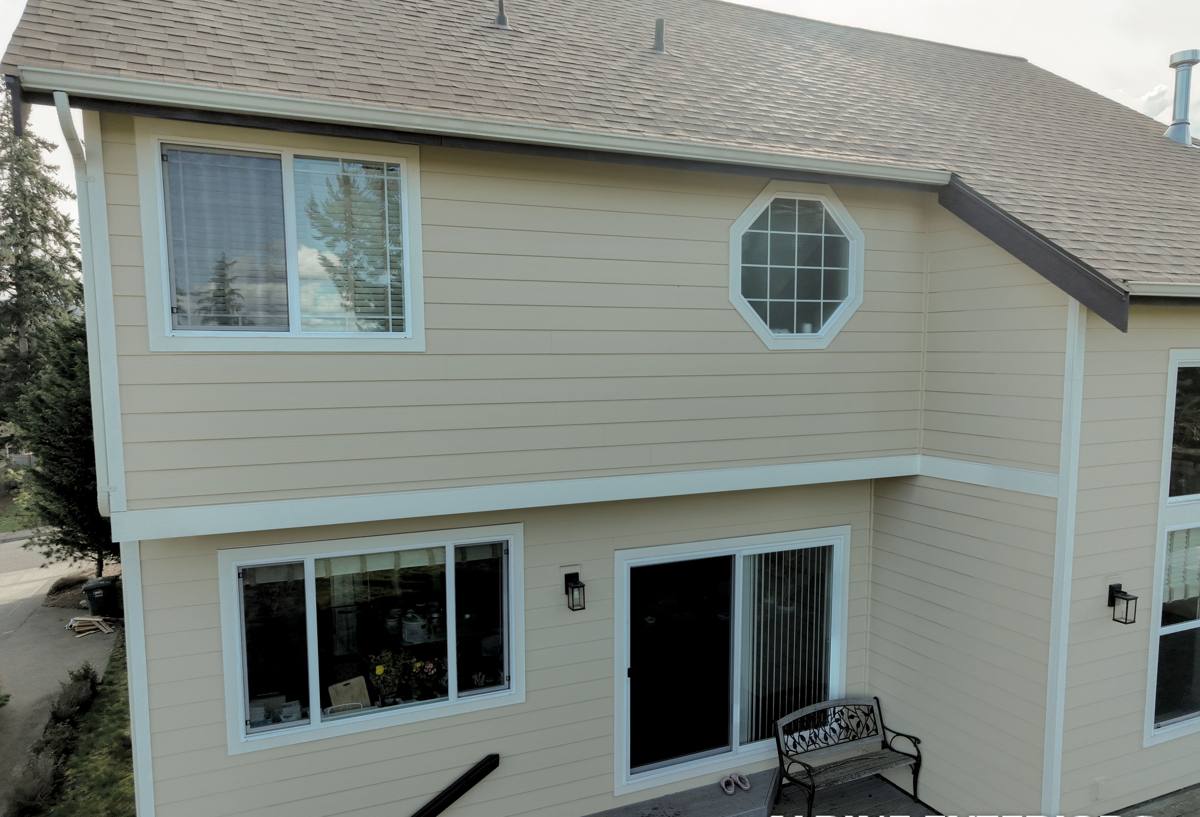
What Avon's Climate Actually Does to a Roof
Salt Air and Corrosion
Being near Padilla Bay and the broader Puget Sound means Avon roofs deal with airborne salt more than homes further inland in the valley. Salt accelerates corrosion on any exposed metal — fasteners, flashing, gutters — especially where coatings are thin or damaged. This is one of the biggest reasons material and fastener choice matters more here than in a dry inland climate.
Driving Rain
The flats around Avon don't have much in the way of windbreaks. Storms coming through the valley bring rain in sideways as often as straight down, which pushes water into laps, seams, and fastener penetrations that would stay dry on a more sheltered roof. Underlayment and flashing details that would be "good enough" elsewhere aren't good enough here.
Moss and Standing Moisture
Skagit County's long wet season, combined with the shade many Avon properties get from mature trees and farm windbreaks, keeps roof surfaces damp for extended stretches. That's exactly what moss, lichen, and algae need to take hold. On composition shingles, moss roots work under the granule surface and lift shingles over time. On metal, there's no organic surface for it to grip in the same way, but debris buildup in valleys and against obstructions still needs to be managed.
Why Metal Roofing Holds Up Well Here
None of this means metal is magic — it still has to be installed and maintained correctly. But the material itself is well suited to what Avon's climate produces:
- Sheds wind-driven rain fast, with fewer overlapping surfaces for water to work into than a shingle roof
- Doesn't provide the organic, granular surface moss needs to establish itself
- Steel and aluminum panel systems with quality factory finishes resist coastal-influenced corrosion far better than bare or poorly coated fasteners and trim
- Performs well in wind when properly fastened, which matters on the open flats around Avon
- Sloughs off snow and heavy rain load instead of holding moisture against the deck
The trade-off is upfront cost and the need for a crew that understands metal-specific detailing — flashing, expansion, fastener pattern, and ventilation aren't optional extras, they're what makes the material perform the way it's supposed to.
Metal Roofing Options for Avon Homes
Not every metal roofing system behaves the same way in this climate. Here's how the common options compare for a coastal-influenced valley property like the ones around Avon:
| System | How It Handles Salt Air | Wind & Rain Performance | Typical Lifespan | Maintenance Load |
|---|---|---|---|---|
| Standing seam (concealed fastener) | Best — no exposed fasteners for salt to attack | Excellent; continuous seams shed driving rain well | 40-60+ years | Low |
| Exposed-fastener panel | Fair — fastener seals and washers degrade over time and need monitoring | Good, if fastened to spec; more penetration points | 25-40 years | Moderate — fasteners eventually need attention |
| Metal shingle/shake panels | Good, with quality coatings | Good; interlocking profile handles wind well | 30-50 years | Low to moderate |
For most Avon properties exposed to open wind and salt-tinged air, we lean toward standing seam or a well-reviewed interlocking panel system. Exposed-fastener panels can still be the right call on secondary structures or budget-driven projects, as long as the homeowner understands the fastener maintenance that comes with it.
What a Correct Metal Roof Installation Involves
Deck and Underlayment
Metal goes over a deck that needs to be sound and dry before anything is installed. In this climate, we use a high-temp synthetic or self-adhered underlayment rated for the moisture exposure metal roofs see, particularly at eaves and valleys where wind-driven rain concentrates.
Fastening and Panel Layout
Fastener spacing and panel layout have to account for the wind exposure common on the flats — this isn't a place to use the minimum fastener count a manufacturer's spec sheet allows. Panels also need room to expand and contract with temperature swings without buckling or pulling fasteners loose.
Flashing Details
Flashing at valleys, walls, chimneys, and penetrations is where most roof leaks actually start, metal or otherwise. Correct step flashing, counterflashing, and valley metal — sized and lapped properly — matter more than the panel itself in most cases.
Ventilation
Metal roofs still need a properly ventilated attic or roof assembly underneath. Trapped moisture and heat can cause condensation on the underside of the panels or shorten the life of the underlayment and deck, even though the metal itself won't rot.
Our Process on an Avon Metal Roofing Project
- On-site inspection of the existing roof, deck condition, and any moss, moisture, or ventilation issues specific to the property
- Honest conversation about which metal system fits the home's exposure, budget, and roofline — not a one-size-fits-all pitch
- Written estimate covering material, tear-off (if needed), underlayment, flashing, and ventilation work
- Tear-off and deck inspection, repairing any soft or damaged decking before underlayment goes down
- Panel installation following manufacturer spec and wind-load detailing appropriate for open valley exposure
- Flashing, trim, and penetration sealing done last and checked carefully — this is where quality shows
- Site cleanup, including magnetic sweep for stray fasteners and clippings
Maintenance: What Avon Homeowners Should Watch For
A metal roof needs far less upkeep than shingles, but "none" isn't the same as "zero." A short annual check keeps small issues from becoming expensive ones:
- Clear leaves, needles, and debris from valleys and against any roof-to-wall transitions
- Check exposed fasteners (if that system was used) for loose or backed-out screws and worn washers
- Look at flashing around chimneys, vents, and skylights for gaps or sealant that's dried out
- Watch gutters and downspouts for debris buildup, especially near trees or farm windbreaks common around Avon properties
- After major windstorms, a quick visual check for lifted panels or dented trim is worth the five minutes
Why It Matters That Your Roofer Already Works in Avon
Roofing crews that mostly work in drier, more sheltered parts of the county sometimes underestimate what open exposure and salt-influenced air do to fastener life and coating performance. A crew that's already worked roofs in and around Avon knows the practical difference that shows up here — heavier flashing details at valleys, fastener choices that hold up to salt exposure, and underlayment specs that account for how long moisture actually sits in this part of the valley. That local pattern recognition doesn't replace a good inspection, but it means fewer surprises and a spec that's right for the property from the start, not adjusted after a callback.
We also know the practical side of working in this area — permitting through Skagit County and the City of Mount Vernon where applicable, seasonal weather windows for tear-offs, and coordinating around the wet stretches so a roof isn't left exposed longer than it has to be.
Is Metal Roofing the Right Call for Your Avon Home?
Metal isn't automatically the right choice for every roof or every budget, and we'll tell you that plainly if it isn't the best fit for your situation. But for homes taking the full brunt of Skagit Valley weather — open wind, driving rain, salt-tinged air, and a moss season that never really ends — it's one of the more durable, lower-maintenance answers available, and something we install correctly, start to finish, for homeowners in the Avon area.
If you're weighing metal roofing for a home near Avon or anywhere else around Mount Vernon, we're happy to take a look and give you a straight, no-pressure estimate — just fill out the form below.