 Mount Vernon
 Windows Built for Riverside's River-Valley Climate
Riverside sits close enough to the Skagit River and the tidal reach of Puget Sound that homes here take on a specific mix of weather stress: damp, moisture-laden air off the water; long stretches of driving rain through fall and winter; and a moss and mildew season that can run eight months out of the year in a wet stretch. Add in the salt-tinged air that drifts up the valley from the Sound, and you've got a set of conditions that ages window frames, seals, and glazing faster than a drier inland climate ever would. Windows in this neighborhood don't fail because they're old — they fail because moisture found a way in years before anyone noticed.
We work on homes throughout Mount Vernon and Skagit County, and Riverside is one of the areas we're in regularly. That matters more than it sounds like it should: knowing how the older housing stock in this part of town was built, what window openings tend to look like once you pull the old sash, and which failure patterns show up here again and again means less guesswork and fewer surprises once a job is underway.
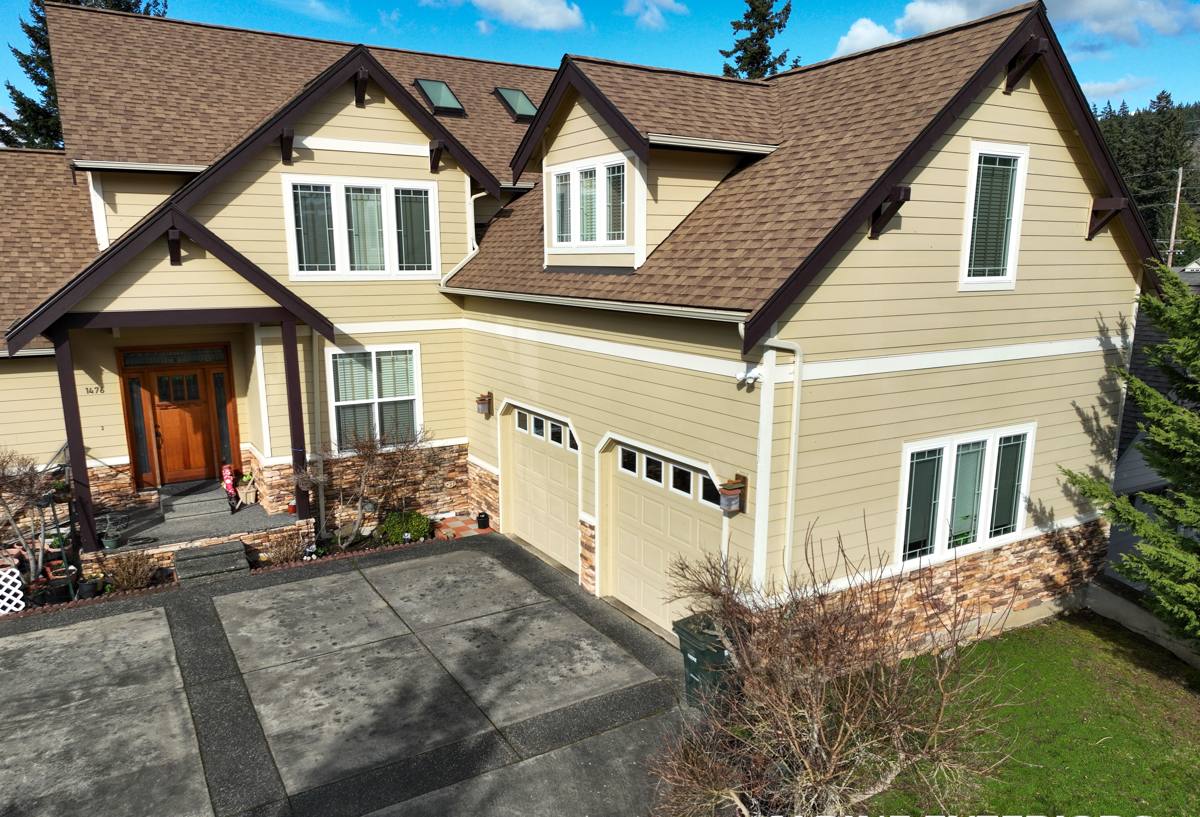
What Actually Wears Out a Window Here
Most window replacement calls in this area aren't about broken glass. They're about slow, cumulative damage that finally shows up as a draft, a foggy pane, or soft wood at the sill. In Riverside specifically, we see a few patterns more than others:
- Sill and frame rot from years of driving rain hitting west- and south-facing walls without adequate flashing behind the trim.
- Failed seals on double-pane glass, showing up as fogging or a milky haze between the panes — a sign the gas fill and seal have broken down under constant humidity cycling.
- Moss and algae staining on frames and sills, which is cosmetic at first but traps moisture against wood and vinyl over time.
- Swollen or sticking wood sashes in older homes, where the wood has absorbed moisture repeatedly and never fully dries out between wet seasons.
- Corroded hardware — locks, cranks, and balances — from salt-influenced air, especially on homes with more open exposure toward the water.
None of these are dramatic on their own. The problem is they compound. A small gap in flashing becomes rot behind the trim; rot behind the trim becomes a window that won't seal; a window that won't seal drives up heating bills and invites more moisture in behind the wall. Catching it early — or replacing before it gets that far — is cheaper than repairing structure later.
What a Correct Window Replacement Involves
Swapping in a new window is the easy part. The work that actually determines whether it lasts happens around the opening, not in the window unit itself. A proper replacement in this climate includes:
Opening Inspection
Before anything gets installed, we check the sill, jack studs, and header for soft or rotted wood. In river-valley homes, this is often where the real story is — a window can look fine from outside while the framing behind it has been slowly saturated for years. Any compromised wood gets addressed before the new window goes in, not covered over.
Flashing and Water Management
This is the step that gets skipped most often by rushed installs, and it's the one that matters most given how much rain this area gets. Proper flashing — sill pan, jamb flashing, and integration with the house wrap or building paper — directs water back out and away from the framing instead of letting it pool at the sill. A window can be top-quality and still fail early if the flashing behind it wasn't done right.
Air Sealing and Insulation
The gap between the window frame and the rough opening needs to be sealed and insulated correctly — not overpacked with expanding foam, which can bow frames, and not left loose, which leaves a draft and a moisture path. Low-expansion foam or backer rod and sealant, sized to the gap, is the standard we hold to.
Interior and Exterior Finish
Trim, caulking, and paint or stain lines get finished cleanly on both sides. On the exterior, this is also where we make sure the seal between the new window and the siding is tight — a weak point here undoes the flashing work underneath it.
Choosing the Right Window for This Climate
There's no single "best" window brand or material — there's a right choice for the exposure, the home, and the budget. In a damp, salt-influenced climate like this one, a few factors matter more than they would somewhere drier:
| Factor | Why It Matters Here |
|---|---|
| Frame material | Vinyl and fiberglass resist moisture absorption and won't rot; wood offers a traditional look but needs more upkeep in this humidity |
| Glazing (glass package) | Dual- or triple-pane with a quality gas fill reduces condensation on interior glass during cold, damp mornings |
| Hardware finish | Corrosion-resistant hardware holds up better against the salt air drifting up from the Sound |
| Weatherstripping quality | Directly affects how well the window resists wind-driven rain during winter storms |
| Warranty structure | Look for coverage on both the glass seal and the frame — seal failure is the most common issue we see locally |
We don't push one manufacturer as a universal answer, because the right product depends on the specific wall, exposure, and budget in front of us. What we do insist on is glazing and frame materials that are proven to handle sustained moisture exposure — this isn't the region to save money on a window that's marginal in a wet climate, because the failure shows up as expensive rot repair a few years down the line rather than a simple replacement.
Signs a Riverside Home Needs Window Replacement Now
Not every window issue means full replacement — sometimes it's a seal, a balance, or weatherstripping. But certain signs point clearly toward replacement rather than repair:
- Fogging or moisture trapped between panes that doesn't clear
- Visible soft spots, discoloration, or rot at the sill or lower frame corners
- Windows that won't stay open, won't latch, or have warped enough to bind
- A noticeable draft even with the window fully closed and locked
- Consistent condensation on the inside of the glass during cool mornings
- Noticeably higher heating costs without another clear explanation
If you're seeing more than one of these at once, it's usually a sign the window has been struggling for a while, not a sudden failure.
Our Process for a Riverside Window Job
We keep the process straightforward because homeowners deserve to know what's happening at each stage, not just at the beginning and the end:
- On-site assessment — we look at every window being considered, check framing condition, and measure openings precisely rather than estimating.
- Honest recommendation — we tell you which windows need replacement, which can be repaired, and why, without upselling ones that don't need it.
- Written estimate — clear pricing with the product, install scope, and timeline spelled out before any work starts.
- Careful removal — old windows come out with attention to protecting siding, trim, and interior finishes.
- Framing repair if needed — any rot or damage found during removal gets addressed before the new window goes in.
- Installation with proper flashing and sealing — the water-management details covered above, done the same way every time.
- Finish work and cleanup — interior and exterior trim finished, job site cleaned, and a final walkthrough before we call it done.
Cost Factors Worth Understanding
Window replacement pricing varies a lot based on size, material, glazing package, and how much framing repair is needed once the old window comes out. Rather than quote a number that won't reflect your specific home, it's worth understanding what actually drives the cost:
| Factor | Impact on Cost |
|---|---|
| Number and size of windows | Largest single driver — larger openings and more units scale cost directly |
| Frame material and glazing | Higher-performance glass and premium frame materials cost more upfront but hold up longer here |
| Framing/rot repair discovered on removal | Can add cost, but skipping it just moves the expense to a bigger repair later |
| Full-frame vs. insert replacement | Full-frame costs more but is often the better call when there's any sign of moisture damage |
| Trim and finish complexity | Custom trim profiles or matching existing siding details add labor time |
We'd rather walk you through these variables in person, on your actual windows, than throw out a broad range that doesn't mean much until we've seen the openings.
Why a Local Crew Matters for This Kind of Work
A crew that works Mount Vernon and Skagit County regularly has already seen how this area's housing stock reacts to years of river-valley moisture and coastal air. That's not a marketing point — it changes real decisions on the job, like knowing to check a sill more carefully on a west-facing wall, or recognizing early-stage moss staining as a signal to look closer at what's underneath. It also means we're not guessing at permitting or code requirements specific to this jurisdiction, and we're around after the job is done if a question comes up.
If you're in Riverside and dealing with drafty, foggy, or aging windows, we're happy to take a look and give you a straight answer about what's needed — no pressure, no upsell. Reach out for a free estimate and we'll walk the property with you.