 Mount Vernon
 Why Edison Homes Need a Different Approach to Window Replacement
Edison sits close enough to Samish Bay and the tidal flats that salt-laden air is part of daily life, not an occasional nuisance. Add in Skagit County's long wet season, driving rain off the water, and the moss and mildew that take hold on anything shaded or damp for months at a time, and you get a climate that is genuinely hard on windows. A window that performs fine in a drier inland town can fail early here — sticking, fogging, corroding, or letting water in around the frame — simply because it wasn't installed or specified with this environment in mind.
We work on homes throughout Mount Vernon and the surrounding Skagit County communities, and Edison's mix of older farmhouses, mid-century homes, and newer rural builds each come with their own window issues. This page covers what actually matters when replacing windows out here: what the climate does to different materials, what a correct installation looks like, and how our process works from first estimate to final cleanup.
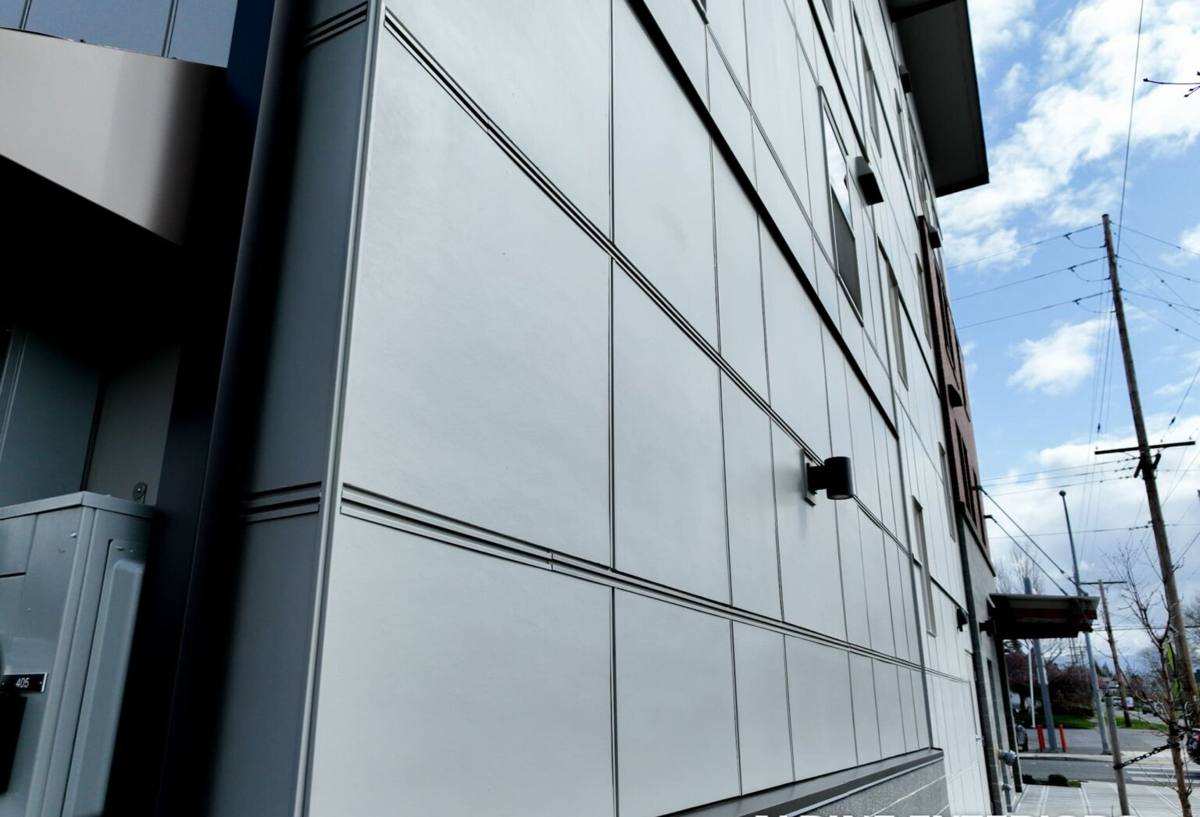
What Salt Air, Rain, and Moss Actually Do to Windows
Salt Air and Metal Components
Salt in the air accelerates corrosion on anything metal — window hardware, screen frames, and especially aluminum sashes or frames that weren't finished for coastal exposure. Once corrosion starts on hinges, locks, or balance mechanisms, windows get hard to open and close, and the corrosion itself can work its way into the surrounding frame.
Driving Rain and Water Intrusion
Wind-driven rain off the bay doesn't fall straight down — it gets pushed sideways into wall assemblies and window openings. A window that was installed without proper flashing and a sloped sill can look fine for years and still be letting water track down inside the wall cavity, where it rots framing long before anyone notices a stain on the drywall.
Moss, Mildew, and Prolonged Dampness
Shaded exposures and long stretches of gray, damp weather let moss and mildew establish on wood trim, caulking, and even vinyl surfaces that don't get much sun or airflow. Beyond looking bad, that constant moisture breaks down caulk and paint faster, which opens the door to the water intrusion problem above.
Signs Your Windows Are Due for Replacement
Not every window problem means full replacement — but in this climate, small issues tend to compound quickly. Here's what we look for during an assessment:
- Wood sashes or sills that are soft, discolored, or visibly rotting
- Persistent fogging or condensation between glass panes (a failed seal on double-pane units)
- Windows that are difficult to open, close, or lock — often a sign of corroded hardware or a warped frame
- Visible gaps, cracked caulk, or daylight showing around the frame
- Drafts you can feel near the window even when it's fully closed
- Moss or persistent green staining on frames, sills, or nearby trim
- A noticeable jump in heating costs with no other explanation
- Musty smell or soft drywall near a window, which can indicate water already inside the wall
If you're seeing two or more of these on the same window, it's usually more cost-effective to replace than to keep patching.
Choosing Materials That Hold Up in This Climate
Material choice matters more here than in drier parts of the state. We steer homeowners toward products that are genuinely suited to salt air and sustained moisture, not just whatever is cheapest at the moment. Here's how the common options compare for coastal Skagit County conditions:
| Material | Salt Air Resistance | Moisture Handling | Maintenance |
|---|---|---|---|
| Vinyl | Very good — won't corrode | Good, with proper drainage design | Low; occasional cleaning |
| Fiberglass | Excellent — dimensionally stable, won't pit or corrode | Excellent | Low |
| Aluminum (uncoated or poorly finished) | Poor — prone to pitting and corrosion near salt air | Fair, if properly flashed | Higher; hardware needs monitoring |
| Wood (unclad) | Fair — needs diligent upkeep | Vulnerable if paint/seal fails | High; repainting and resealing needed regularly |
| Wood-clad (vinyl or fiberglass exterior) | Good — exterior shell protects the wood core | Good, if cladding and flashing are done right | Moderate |
We're honest with clients about the trade-off with unclad wood windows: they can look great and many people love them, but out here they demand a level of ongoing paint and sealant maintenance that most homeowners underestimate. If someone wants that look, we'll install it, but we'll also tell them exactly what upkeep it requires so there are no surprises five years in.
What Correct Installation Actually Involves
The window unit itself is only part of the equation — how it's installed determines whether it actually keeps water and air out. In a climate like ours, we treat these steps as non-negotiable:
- Proper flashing integration — the window's flashing has to tie into the existing weather-resistive barrier correctly, so water is directed out and down, never trapped behind the siding.
- Sloped sill pan — a sill pan under the window ensures any water that does get past the exterior seal drains outward instead of pooling and soaking into the framing.
- Correct shimming and squaring — a window that isn't shimmed level and square will bind, leak, or wear out its hardware faster, regardless of how good the unit itself is.
- Quality sealant, applied correctly — the right sealant in the right locations (not everywhere — some gaps need to stay open for drainage) is what actually keeps wind-driven rain out.
- Insulation around the frame — gaps packed with the wrong material, or packed too tightly, hurt both energy performance and moisture control.
Skipping or rushing any of these steps is the single biggest reason window replacements fail early in coastal Skagit County — not the product, the install.
Our Process, Start to Finish
1. On-Site Assessment
We look at the actual condition of your existing windows, framing, and siding — not just the glass. This tells us whether we're dealing with a straightforward swap or whether there's underlying water damage that needs addressing first.
2. Straightforward Estimate
You get a clear, itemized estimate covering material, labor, and any additional work the assessment turned up. No pressure, no inflated urgency tactics.
3. Scheduling Around Weather
Given how wet the region gets, we plan installation windows carefully and take steps to keep openings protected if weather shifts mid-project, so your home is never left exposed overnight.
4. Installation
Old windows come out, framing is inspected and repaired if needed, and the new unit goes in following the flashing, sill pan, and sealing steps outlined above.
5. Walkthrough and Cleanup
We walk you through the finished work, confirm every window opens, closes, and locks properly, and clean up the job site before we leave.
What Affects the Cost of Window Replacement
Pricing varies by home and scope, but these are the main factors that move the number up or down:
| Factor | Effect on Cost |
|---|---|
| Window material (vinyl vs. fiberglass vs. wood-clad) | Fiberglass and wood-clad typically cost more than standard vinyl |
| Number of windows replaced at once | Bundling windows into one project usually lowers the per-window cost |
| Condition of existing framing | Rot or water damage found during removal adds repair cost |
| Window size and configuration | Larger units, custom shapes, or multi-pane assemblies cost more than standard sizes |
| Access and site conditions | Upper-story or hard-to-access windows can add labor time |
We'll always show you where the money is going rather than handing over a single flat number with no explanation.
Why It Matters to Hire a Crew That Already Works This Area
A contractor who mostly works drier, inland jobs may not think twice about sill pans or flashing sequence — because in that climate, sloppier work often gets away with it for years. Out here, near the water in Skagit County, those shortcuts show up fast as leaks, rot, and premature hardware failure. A crew that regularly works Edison, Bow, and the rest of the county already knows which details can't be skipped, what materials actually hold up, and how local weather patterns should shape scheduling and protection during the job.
That local familiarity also means we're not guessing at what's normal for homes in this area — whether that's an older farmhouse with original wood windows or a newer build where a previous installer cut corners on flashing.
Maintaining Your New Windows in a Coastal Climate
Even the right materials and a correct install benefit from basic upkeep, especially here:
- Rinse frames periodically to clear salt residue, particularly on south- and west-facing exposures
- Check and clear weep holes so water can drain instead of pooling
- Inspect caulking annually and touch up before small gaps become entry points
- Remove moss or mildew from frames and trim promptly rather than letting it establish
- Test locks and hardware operation each season to catch stiffness early
If you're noticing drafts, fogged glass, sticking sashes, or signs of water intrusion around your windows, we're happy to take a look and give you a straight assessment of what's going on. Reach out for a free, no-pressure estimate using the form below.