 Mount Vernon
 Windows Built for Kulshan Ridge's Weather, Not Just the Showroom
Homes in the Kulshan Ridge area deal with a specific combination of weather that a lot of window installers never have to think about: salt-tinged air moving in off the water, long stretches of driving rain, and a moss season that seems to start earlier every year. None of that is dramatic on its own, but stacked together over years it finds every weak point in a window install — a bad seal, a missed flashing step, a caulk line that was never going to hold. We install windows in this neighborhood regularly, and the job we do here looks a little different than the same job would in a drier inland part of Skagit County.
This page is about one service, one place: window installation and replacement for homes in and around Kulshan Ridge. Not a general overview of windows everywhere — what your specific homes need, what a correct install actually involves, and why the details matter more here than in most neighborhoods.
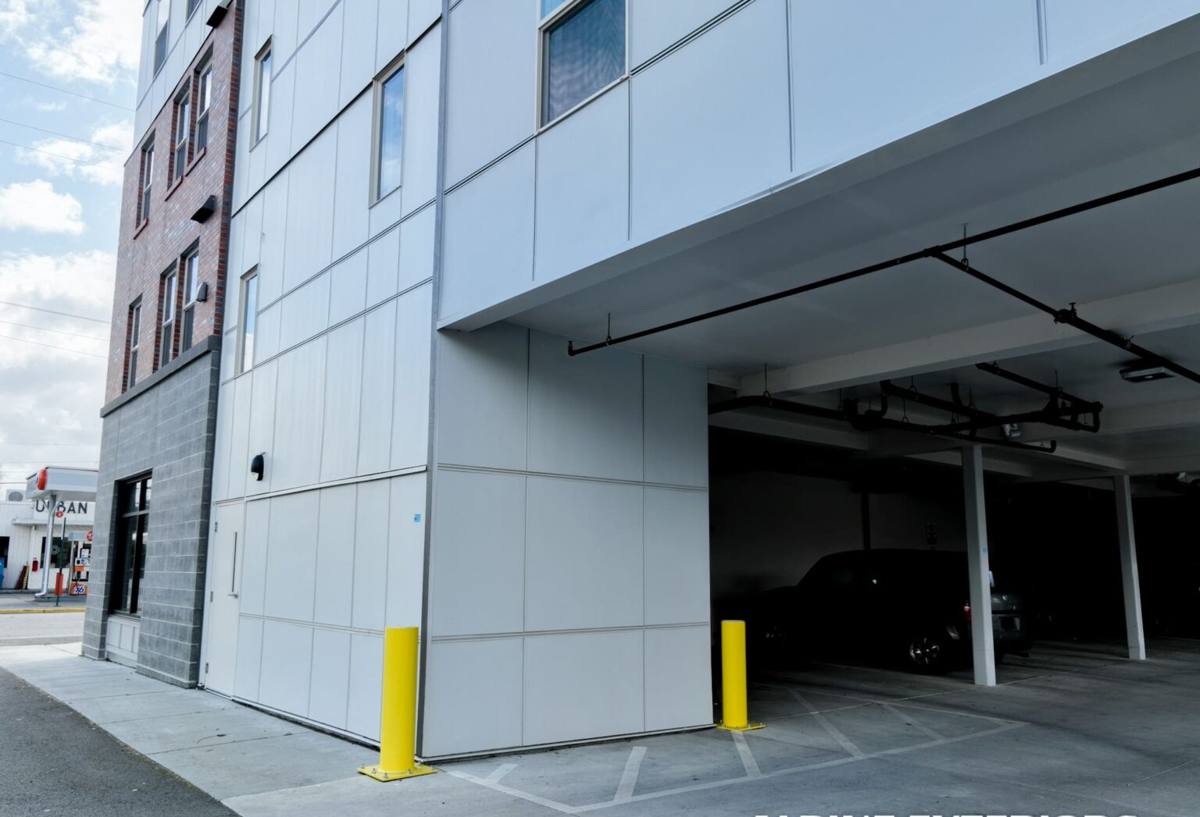
What Kulshan Ridge's Climate Does to Windows Over Time
Salt Air
Proximity to Puget Sound air means metal components — hinges, cranks, screws, and especially aluminum frames or cladding — corrode faster than they would twenty miles inland. Cheaper hardware shows pitting and stiffness within a handful of years. It's not that salt air destroys a window outright; it just shortens the life of anything that wasn't specified to handle it.
Driving Rain
Rain that comes in sideways, rather than straight down, tests a window's flashing and drainage far harder than a light vertical drizzle. Wind-driven rain gets pushed up and under trim, into nail fin gaps, and behind siding that isn't lapped correctly at the window opening. A window can be perfectly good and still leak if the flashing sequence around it was done wrong.
Moss and Prolonged Dampness
A long moss season means more months of the year where wood trim, sills, and the siding around a window stay damp instead of drying out between rain events. Moss and algae hold moisture against the surface, which accelerates rot in untreated wood and breaks down caulk and sealant faster than dry-climate products anticipate. Sills that don't have a slight outward pitch, or that lack a drip edge, collect standing water and moss growth right where you don't want either.
What a Correct Window Install Actually Involves
A window install that will hold up here isn't just "measure, cut a hole, set the window, caulk it." The parts that actually determine whether you get a fifteen-year window or a two-year leak are mostly invisible once the trim goes back on.
- Opening inspection before anything is ordered — checking the existing sill, header, and rough opening for rot, soft spots, or prior water damage that has to be addressed first.
- Correct flashing sequence — self-adhered flashing tape applied in the right shingle-lap order (sill, jambs, then head) so water is always directed outward and down, never trapped behind the window.
- A sloped, drainable sill pan — especially important with driving rain, since a flat or reverse-pitched sill is one of the most common causes of slow interior leaks.
- Proper shimming and fastening — a window that isn't square or is over-fastened will bind, won't seal well long-term, and stresses the frame corners where seals fail first.
- Low-expansion foam or backer rod, not just caulk, at the gap between frame and rough opening — for insulation and to control air movement, which also controls condensation.
- Weather-appropriate exterior sealant — a sealant rated for sustained damp exposure, not a generic caulk that shrinks and cracks after one wet winter.
- Interior air sealing — often skipped, but it's what keeps humid indoor air from condensing inside the wall cavity around the window.
Skip any one of these and the window itself can be top quality and the install will still fail early. This is why we treat installation, not just the product, as the thing that determines longevity.
Choosing Materials and Hardware for This Environment
Frame material and hardware grade matter more here than they would in a drier, calmer climate. We steer homeowners toward options that hold up to salt air and sustained moisture rather than whatever is cheapest on a spec sheet.
| Factor | What to Look For in a Coastal-Adjacent Area Like This | Our Take |
|---|---|---|
| Frame material | Vinyl or fiberglass with UV- and moisture-stable formulations; fiberglass generally handles temperature swings and moisture with less long-term movement | We recommend based on your home's style and budget, but we're upfront when a cheaper frame will cost more in maintenance over time |
| Hardware finish | Corrosion-resistant coatings on cranks, hinges, and locks rather than bare or lightly plated metal | Worth the modest upcharge — hardware failure is one of the most common service calls near the water |
| Glass package | Dual-pane with a warm-edge spacer; low-E coating tuned for the Pacific Northwest's mix of cool, wet weather and occasional summer heat | We match glass package to orientation — a window facing prevailing wind and rain gets different consideration than a sheltered one |
| Sealant and flashing products | Sealants and tapes rated for sustained damp exposure and wide temperature swings, not just general-purpose caulk | Non-negotiable on our jobs regardless of window brand |
| Sill design | Sloped sill with a drip edge or cap to shed water and discourage moss buildup | We address this even on like-for-like replacements if the original sill design was poor |
New Construction vs. Retrofit Replacement
Most of the work we do in this neighborhood is replacement in existing openings, but the right approach depends on the condition of what's already there.
Retrofit (Insert) Replacement
The new window is built to fit inside the existing frame, which stays in place. This is faster, less disruptive, and often the right call when the existing frame, sill, and flashing are still sound. It's not the right call if there's already rot or a history of leaks — putting a new window into a compromised opening just hides the problem for a while.
Full-Frame Replacement
The old window and its frame come out entirely, exposing the rough opening so we can inspect and, if needed, rebuild the sill, replace damaged framing, and redo the flashing correctly from scratch. This costs more and takes longer, but it's the only real fix when there's evidence of water intrusion, soft wood, or a flashing job that was never right to begin with. Given how long this area stays damp during moss season, we'd rather tell you a full-frame approach is needed than install a new window over a hidden problem.
Our Process for a Kulshan Ridge Window Project
- On-site assessment — we look at each window opening individually, not just the house as a whole, since sun exposure, wind direction, and prior water damage can vary window to window.
- Honest scope and options — retrofit vs. full-frame, material and hardware choices, and a clear explanation of why we're recommending what we're recommending.
- Written estimate — itemized, so you can see what's window cost and what's installation, flashing, and any carpentry repair.
- Protection of your home and landscaping — coverage for floors, furniture, and plantings near the work area before anything is removed.
- Removal and opening inspection — this is the point where hidden rot or old flashing failures actually get found, before a new window ever goes in.
- Correct flashing, sill, and insulation work — done the same way regardless of which window brand you chose.
- Final adjustment and sealing — every sash checked for smooth operation and a tight seal before we consider the job done.
- Walkthrough — we show you the finished work and explain basic care specific to this climate.
Living with New Windows in a Damp, Salty Climate
A well-installed window still benefits from a little seasonal attention here, especially given how long moss season runs.
- Rinse hardware and tracks periodically to clear salt residue and grit before it works into moving parts.
- Clear moss or debris off nearby trim and sills so damp buildup doesn't sit against the frame.
- Check exterior caulk lines once a year, typically before the wet season sets in, and have any cracked sections re-sealed early rather than after a leak shows up inside.
- Keep gutters and downspouts near window openings clear — overflow during driving rain is a common source of water finding its way behind trim.
Why Hiring a Crew That Already Works This Neighborhood Matters
Window installation is a trade with a lot of ways to do it "fine for now" and only a few ways to do it right for the long run. In a place like Kulshan Ridge, the gap between those two shows up faster than it would somewhere drier and calmer. A crew that hasn't dealt much with salt air, sustained wind-driven rain, or a long moss season may not think twice about hardware grade, sill pitch, or flashing sequence — because in a milder climate, those shortcuts often don't get exposed for years.
We work in Mount Vernon and the surrounding Skagit County area regularly, which means we've seen how window installs from a range of past contractors actually perform once a few wet winters have passed. That's not a knock on any particular brand or crew — it's just that this climate is an honest test, and it rewards installers who don't skip steps. When you're comparing quotes, ask specifically about flashing sequence, sill design, and hardware corrosion resistance. A contractor who has a clear, specific answer for this exact neighborhood's conditions is worth more than one offering the lowest number with no detail behind it.
Get a Free Estimate for Your Kulshan Ridge Windows
If your windows are drafty, hard to operate, showing condensation between panes, or you've noticed staining or soft trim around a frame, we're glad to take a look. We'll give you a straight assessment of what's going on, what it would take to fix it correctly, and a written estimate with no pressure to commit on the spot. Use the form below to request a free estimate.