 Mount Vernon
 Windows Built for West Mount Vernon's Weather, Not Just the Opening
West Mount Vernon sits close enough to the Skagit River and the region's marine air flow that homes here take a steady beating from moisture, wind-driven rain, and salt-laden air moving up from Puget Sound. Add in Skagit County's long, gray moss season, and you've got a climate that finds every weak point in a window — the seal, the sill, the flashing, the frame material itself. A window that would hold up fine in a drier inland climate can start failing here within a handful of years if it wasn't chosen or installed with this specific environment in mind.
Custom windows aren't about luxury upgrades. For West Mount Vernon homes, "custom" mostly means "sized, flashed, and specified correctly for this house, in this location, given what the weather actually does here." That's a different job than ordering a stock window off a shelf and caulking it into an existing hole.
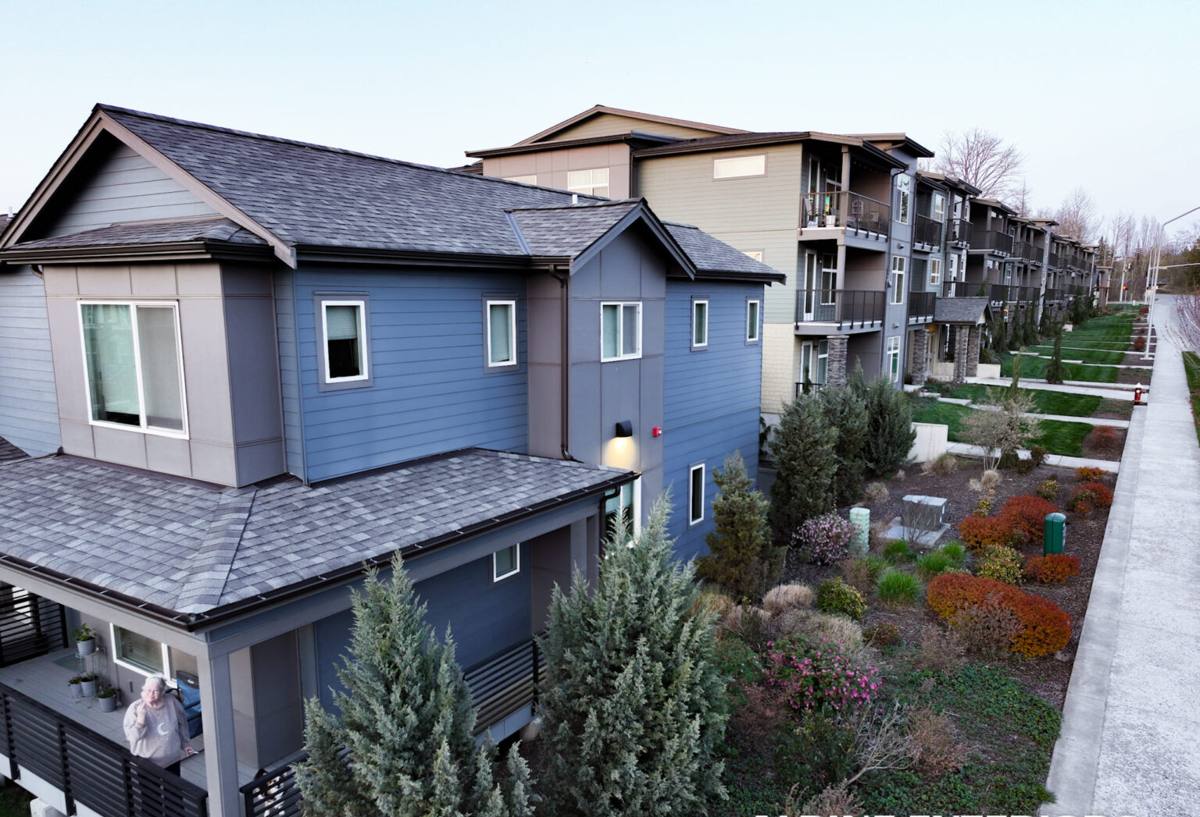
What Salt Air, Driving Rain, and Moss Season Actually Do to Windows
Each of these factors stresses a window differently, and understanding the failure mode helps explain why the fix isn't always "buy a more expensive window."
- Salt air accelerates corrosion on hardware, hinges, and unprotected metal frame components — locks get stiff, cranks seize, and finishes chalk out faster than the manufacturer's warranty literature usually accounts for.
- Driving rain, especially in wind-driven storms off the Sound, tests flashing and sill pan details far harder than a light steady rain would. Water doesn't just fall on a window here — it gets pushed sideways into any gap in the weather barrier.
- Moss and organic growth take hold anywhere moisture sits and doesn't dry out — window sills, corners, and trim that stay shaded and damp for weeks at a time. Left alone, moss holds moisture against wood and paint, which shortens the life of the surrounding trim even if the window unit itself is fine.
None of these are exotic problems. They're the same three forces every Skagit County home deals with — we just see them concentrated on the window openings, which are the most vulnerable seams in the whole building envelope.
Signs Your Current Windows Are Already Losing the Fight
Homeowners in West Mount Vernon usually call us about one of these, not because they woke up wanting new windows:
- Fogging or condensation between panes — the seal on a double-pane unit has failed and moist air has gotten into the gap.
- Visible moss, algae, or black staining collecting on the sill or lower frame, especially on north- and west-facing walls that stay shaded and wet longer.
- Soft or discolored wood at the sill or corners — an early sign that water has been getting behind the trim, not just sitting on top of it.
- Drafts or a noticeable temperature difference near the window on windy days, which usually means the seal or flashing has degraded, not that the glass itself is the problem.
- Hardware that's gotten stiff, corroded, or hard to operate — a common early sign of salt-air exposure on lower-quality metal components.
Any one of these on its own might just need a repair. Several of them together, or on a window that's original to an older home, usually means it's more cost-effective to replace than to keep patching.
What "Correct" Actually Means for a Window Install Here
A window installed correctly for this climate isn't defined by the brand on the sticker — it's defined by the details around the window that you never see once the trim goes back on. This is where most problems start, and it's also where most corners get cut on a rushed job.
The details that actually matter
- Sill pan flashing that directs any water intrusion back outside instead of into the wall cavity — this matters more here than in drier climates because there's simply more water testing that seal over the course of a year.
- Proper integration with the house wrap or weather barrier, shingled correctly so water sheds down and over each layer, not up underneath it.
- Correct shimming and squaring so the window operates smoothly and the seal around the sash isn't stressed unevenly, which is what causes premature failure of weatherstripping.
- Sealant chosen and applied for exterior exposure — not just any caulk, and not applied as a substitute for proper flashing.
- Frame material matched to exposure — a window on a wall that takes direct wind-driven rain and salt air needs different consideration than one tucked under an eave on a protected side of the house.
Get these right and the window itself — vinyl, fiberglass, or wood-clad — will perform close to its rated lifespan. Get them wrong and even a premium window can fail early, because the water damage happens around the frame, not through it.
Frame Material Trade-Offs for This Climate
There's no single "best" window material — there's a best fit for the wall, the exposure, and your maintenance appetite. Here's how the common options stack up specifically against salt air, driving rain, and moss exposure:
| Material | Salt air / corrosion | Moisture handling | Maintenance |
|---|---|---|---|
| Vinyl | Doesn't corrode; hardware quality varies by manufacturer | Handles moisture well; won't rot | Low — occasional cleaning, no repainting |
| Fiberglass | Excellent resistance; stable in coastal air | Very stable, minimal expansion/contraction | Low, but higher upfront cost |
| Wood (unclad) | Vulnerable if finish isn't maintained | Needs consistent sealing to resist rot | High — repainting/sealing on a schedule |
| Wood-clad (metal or vinyl exterior) | Good if cladding is intact and hardware is quality-grade | Good, as long as cladding seams stay sealed | Moderate — interior wood still needs care |
| Aluminum | Prone to corrosion and pitting near salt air unless properly coated | Conducts moisture and cold; condensation-prone | Moderate to high near the coast |
For most West Mount Vernon homes, we lean toward vinyl or fiberglass on exposed walls because they hold up with the least ongoing attention. That's not a knock on wood-clad or aluminum — it's a maintenance conversation. If you like the look of a wood interior and are willing to keep up with it, that's a legitimate choice; we just want you making it with the trade-offs in front of you, not after a repaint bill.
Our Process, Start to Finish
- On-site assessment. We look at each opening individually — exposure direction, existing flashing condition, and any signs of past water intrusion — not just measure and quote.
- Honest recommendation. We'll tell you where a repair or targeted flashing fix makes more sense than full replacement, and where replacement is genuinely the better long-term call.
- Precise measurement and custom fabrication. Openings on older homes are rarely perfectly square, especially after decades of moisture cycling — custom-sized units fit correctly instead of forcing a stock size into a shimmed-up gap.
- Removal and inspection of the opening. Once the old window is out, we check the sill and framing for hidden rot or moisture damage before anything new goes in — this is often where past corner-cutting shows up.
- Flashing and sealing done to the standard the climate demands, not the minimum the product install guide allows.
- Final fit, operation check, and cleanup so the window operates smoothly and the site is left the way we found it.
Living With Salt Air and Moss Season After the Install
Even a correctly installed window benefits from a little seasonal attention in this climate:
- Rinse salt residue and grime off exterior glass and frames a couple times a year, especially after storm systems blow through off the Sound.
- Keep sills and corners clear of accumulated debris and moss growth — a soft brush and mild cleaner is usually enough if you stay ahead of it.
- Check exterior caulk lines annually, particularly after the wettest months, and have any cracked or separated sealant addressed before it becomes a water intrusion point.
- Operate hardware periodically through the winter — locks and cranks that sit unused for months are more prone to salt-air stiffening.
None of this is heavy maintenance — it's the kind of upkeep that takes an afternoon and prevents the slow, hidden damage that turns into a much bigger repair later.
Why It Matters That We Already Work in West Mount Vernon
A contractor who works this specific area regularly has already seen how these homes age under Skagit County's weather — which walls take the worst of the driving rain, which older housing stock tends to have flashing details that need extra attention, and what moss buildup looks like before it's caused real damage versus after. That's not something you get from a general install guide; it's pattern recognition built from doing this work locally, on homes like yours, in this exact climate. It also means we're not guessing at code requirements or typical construction details for homes in this part of Mount Vernon — we already know them.
Questions Worth Asking Before You Sign Anything
- Will you inspect and address the sill and framing condition, not just swap the window unit?
- What flashing method will you use, and is it appropriate for a wall that takes direct wind-driven rain?
- Are the windows custom-measured for my actual openings, or standard sizes with gaps shimmed and covered by trim?
- What's the warranty on both the product and your installation labor — and who do I call if something goes wrong in year three?
- Can you show me examples of similar work in this area, and explain why you'd recommend one frame material over another for my specific walls?
If a contractor can't answer these clearly, that's worth noticing before the contract is signed, not after the windows are in.
If you're noticing drafts, fogged glass, moss buildup around your sills, or you're just planning ahead for a home in West Mount Vernon, we're happy to take a look and give you a straightforward, no-pressure estimate — free, with no obligation. Use the form below to get started.