 Mount Vernon
 Window Installation Built for Riverside's Weather
Riverside homes sit close enough to open water and low-lying river ground that windows here take a beating most inland Washington neighborhoods never see. Salt-laden air off the water corrodes hardware and cladding faster than the manufacturer's warranty paperwork usually accounts for. Driving rain finds its way sideways during winter storms, testing every seal and flashing detail. And Skagit County's long, damp moss season keeps humidity high against exterior walls for months at a time, which is exactly the kind of environment that punishes a poorly sealed window opening.
None of that means Riverside homeowners need exotic materials or gimmicks. It means the installation has to be done correctly, with the right products, in the right order, by someone who understands what this specific stretch of Mount Vernon does to a house over a decade. That's the difference between a window that performs for 20-plus years and one that starts fogging, sticking, or leaking within five.
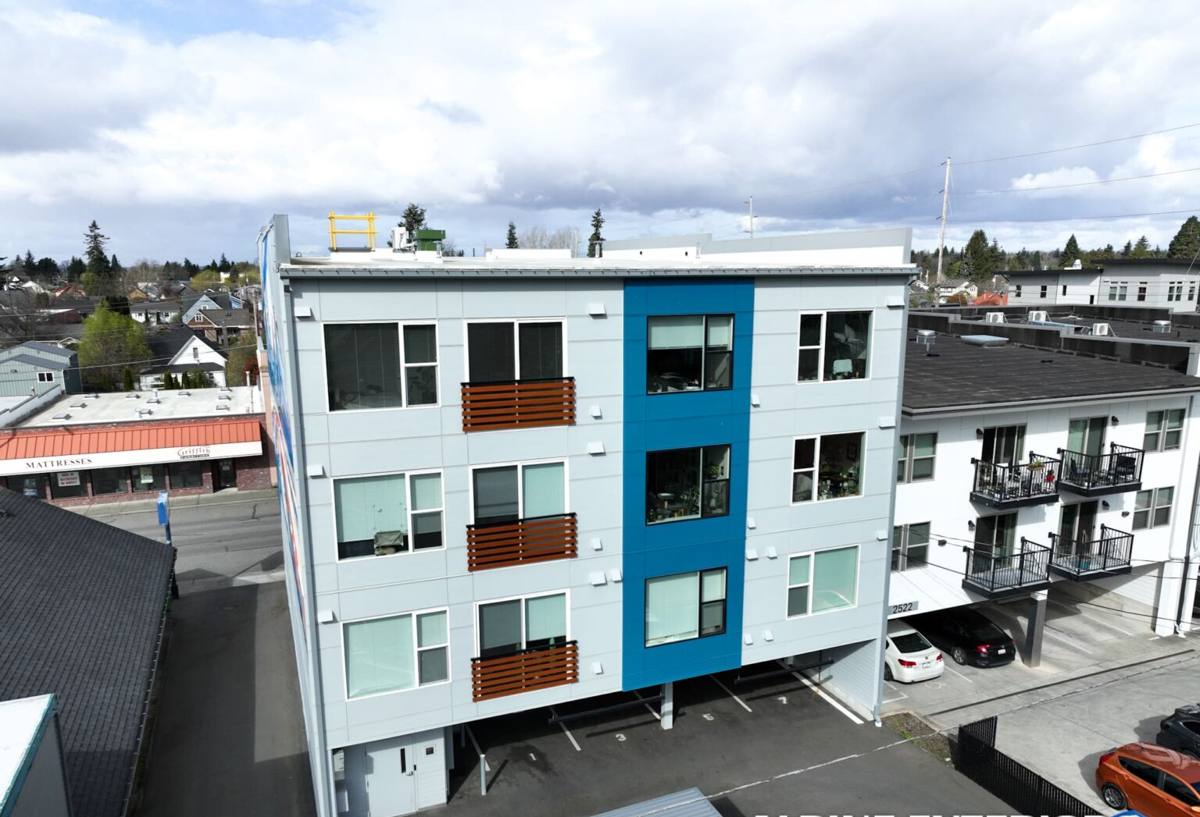
What Skagit County's Climate Actually Does to Windows
Salt Air and Metal Fatigue
Moisture carrying salt accelerates corrosion on aluminum components, screws, hinges, and lock hardware. Over time this shows up as pitted or seized hardware, stained sills, and — in older aluminum-frame windows — frames that develop condensation and cold spots because the metal itself is degrading. It's a slow process, which is why a lot of homeowners don't connect the dots until a window won't latch properly anymore.
Driving Rain and Water Intrusion
Wind-driven rain doesn't just fall on a window — it gets pushed up under trim, into gaps around the frame, and behind siding that isn't properly lapped over the flashing. A window can look fine from the outside and still be letting water into the wall cavity every time a storm rolls through. That hidden moisture is what eventually leads to rot in the framing around the opening, not the window unit itself.
Moss Season and Sustained Humidity
Skagit County's long wet stretch keeps exterior wood and trim damp for extended periods. Any window installation that traps moisture instead of shedding it or letting it dry out becomes a slow-motion problem — paint failure, soft trim, and eventually structural decay around the opening.
Signs a Riverside Home's Windows Need Attention
- Visible fogging or a hazy film between the panes of a double-pane window (seal failure)
- Soft, discolored, or bubbling trim and sill wood around the frame
- Windows that are hard to open, close, or lock — often a sign of frame warping or hardware corrosion
- Noticeable draft or cold spot near the window even when it's fully closed
- Paint or caulk that's cracked, peeling, or pulling away from the frame edge
- Musty smell or visible mold near the interior window sill
- Rising heating bills without another clear cause
Any one of these on its own might just need a repair or re-caulk. Several together, especially on windows original to an older Riverside home, usually mean it's time to talk about replacement.
What a Correct Installation Actually Involves
Window installation done right is mostly about what happens before the new window ever goes into the opening. This is where most of the long-term performance is won or lost, and it's also where corner-cutting is hardest for a homeowner to spot after the fact.
Removal and Opening Inspection
The old unit comes out carefully so the surrounding framing, sheathing, and existing flashing can actually be inspected — not assumed to be fine. In a wet climate like this one, hidden rot around an old window opening is common enough that we treat every removal as a chance to check.
Flashing and Water Management
This is the step that determines whether a window leaks in five years or twenty. Flashing tape and sill pans need to be layered correctly — bottom up, like shingles — so any water that does get past the exterior trim drains back outward instead of into the wall. Skipping or rushing this step is the single most common cause of window-related water damage we see in older Skagit County homes.
Air Sealing and Insulation
The gap between the window frame and the rough opening gets sealed with low-expansion foam or backer rod and sealant — not just caulk around the outside trim. This controls both drafts and condensation, which matters during the region's colder, damp months.
Exterior Trim and Weatherproofing
Trim gets reinstalled (or replaced, if it was compromised) so that siding laps over the flashing correctly, keeping water moving away from the opening rather than behind it.
Interior Finish and Final Check
Interior trim, sill, and paint or stain get finished cleanly, and every window gets operated and checked for square, level, and smooth function before we consider the job done.
Choosing the Right Window for Riverside Conditions
Frame material matters more here than it might in a drier inland climate. We steer homeowners toward materials that hold up against sustained moisture and occasional salt exposure without a heavy maintenance burden.
| Frame Material | How It Handles Local Conditions | Maintenance |
|---|---|---|
| Vinyl | Won't corrode or rot; performs well against salt air and moisture; good energy performance | Low — occasional cleaning |
| Fiberglass | Very stable in temperature and moisture swings; strong long-term durability | Low |
| Wood-Clad | Attractive, but cladding seams and cut ends are moisture-entry points if not detailed carefully | Moderate to high — watch cladding joints |
| Bare Aluminum | Prone to corrosion and condensation in salt-air, high-humidity conditions | High — we generally advise against it here |
We're not against wood-clad windows outright — they have a place, especially where the look matters for a home's character. But we're honest with homeowners about the added upkeep those seams require in a climate that stays damp as long as this one does. For most Riverside homes, vinyl or fiberglass gives the best balance of performance and low maintenance without sacrificing appearance.
Our Process, Start to Finish
- Free on-site estimate — we look at existing windows, note any signs of water intrusion or hardware wear, and talk through options and honest pricing ranges
- Measurement and material selection — exact sizing and product choice based on the home's exposure and your priorities (energy performance, appearance, budget)
- Scheduling around Skagit County weather — we plan installs to minimize how long any opening sits exposed
- Careful removal and opening inspection, with any rot or damage flagged and discussed before we proceed
- Proper flashing, sealing, and insulation at every opening
- Trim, finish work, and a full function check on every window installed
- Walkthrough with you before we consider the job complete
Why It Matters That We Already Work in Riverside
A crew that installs windows across a lot of different climates tends to apply the same generic approach everywhere. A crew that regularly works Riverside and the surrounding Mount Vernon area already knows which older homes were built with aluminum-frame windows that are now failing, which flashing shortcuts show up most often in this neighborhood's housing stock, and how much moisture protection actually matters here versus in a drier part of the state.
That local pattern recognition shows up in small decisions — how much flashing overlap to use, whether a particular sill needs extra attention, how to sequence work around a wet-season forecast — that add up to a window installation that actually holds up to what Skagit County weather throws at it.
Keeping New Windows Performing Long-Term
- Rinse frames and tracks periodically to clear salt residue and grit, especially after storms
- Keep weep holes (small drainage openings on the bottom of the frame) clear of debris and moss
- Check exterior caulking annually and touch up any cracked or separated sections
- Operate every window a few times a season so hardware doesn't seize from disuse
- Watch for condensation between panes — it means a seal has failed and the insulating gas has escaped
- Keep gutters and downspouts clear so roof runoff isn't sheeting down past window heads
What Influences Cost
| Factor | Why It Matters |
|---|---|
| Number and size of windows | More or larger openings mean more material and labor |
| Frame material chosen | Vinyl, fiberglass, and wood-clad carry different price points and long-term upkeep |
| Condition of existing framing | Rot or water damage found during removal adds repair work before the new window goes in |
| Access and window height | Second-story or hard-to-reach openings take more time and equipment |
| Trim and finish work needed | Full trim replacement costs more than reusing sound existing trim |
We give straightforward, itemized estimates so you know exactly what you're paying for and why — no inflated numbers, no pressure to upgrade past what your home actually needs.
If your Riverside home has windows that are drafty, fogged, hard to operate, or just original to a house built before today's materials existed, we're glad to take a look. Reach out for a free, no-pressure estimate — we'll walk your windows with you, tell you honestly what we see, and lay out real options and pricing before any work begins.