 Mount Vernon
 New Roof Installation Built for Riverside's Climate
Homes in the Riverside area near Mount Vernon sit in one of the more demanding roofing climates in Skagit County. The combination of salt-tinged air moving up from the estuary, long stretches of driving rain off the Pacific, and a moss season that can run most of the year puts real stress on a roof system. A roof that would hold up fine in a drier, inland climate can fail early here if it wasn't designed and installed with these conditions in mind.
This page covers what a correct new roof installation looks like specifically for Riverside homes — the materials, the details most crews skip, and why local experience matters more than it does in milder climates.
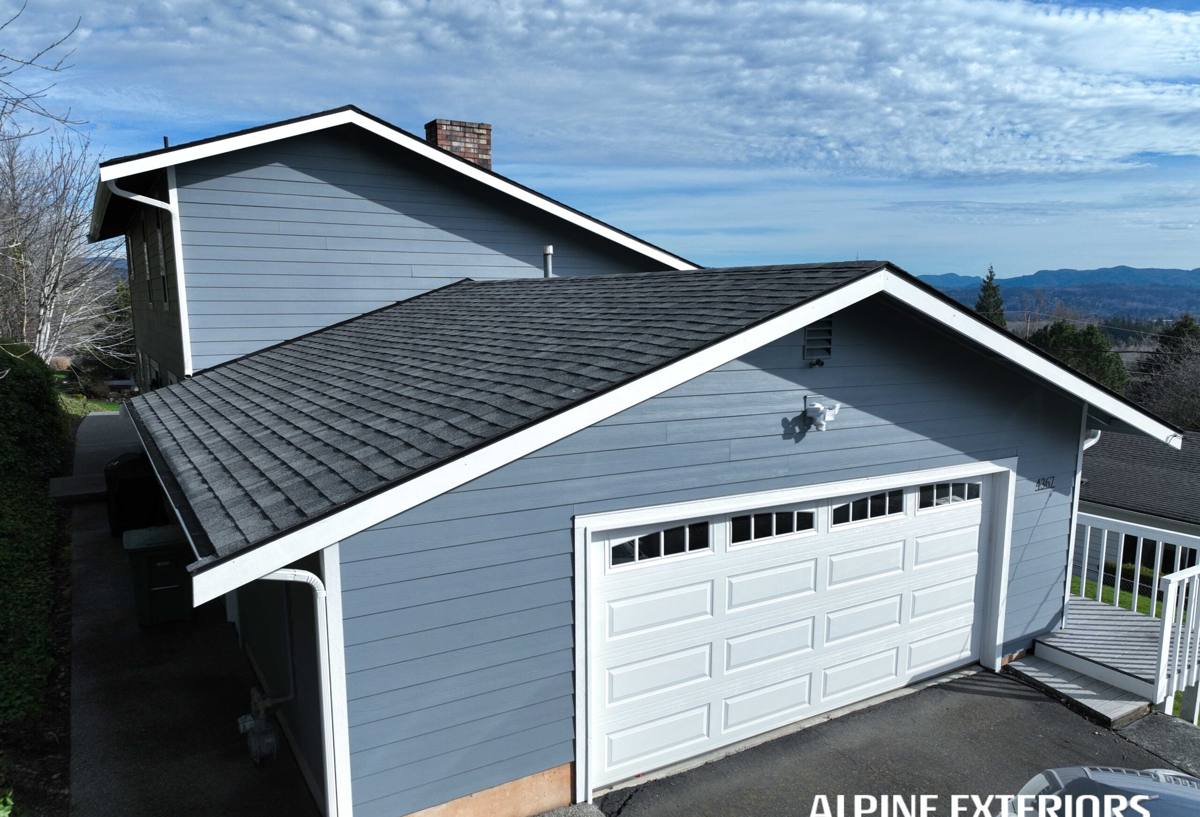
Why Riverside's Climate Is Hard on Roofs
Salt Air and Metal Fatigue
Homes closer to the river and tidal influence get more airborne salt than homes further inland. Salt accelerates corrosion on exposed fasteners, flashing, and lower-grade metal components. It's not usually dramatic — it's a slow, cumulative wear pattern that shows up years later as rust streaks, pitting, or premature flashing failure.
Driving Rain and Wind-Driven Water
Rain in this area rarely falls straight down. Wind pushes it sideways and up under laps, edges, and around penetrations like vents and chimneys. A roof that relies only on shingle overlap without proper underlayment and flashing detail will eventually let water in at exactly those points, even if the shingles themselves are in good shape.
A Long Moss Season
Shade, moisture, and moderate temperatures for much of the year create ideal conditions for moss and algae growth on north-facing and shaded slopes. Moss isn't just cosmetic — as it grows, it lifts shingle edges, holds moisture against the roof deck, and can shorten the life of an otherwise sound roof by years if it's never addressed.
What a Correct New Roof Installation Actually Involves
A new roof is more than shingles nailed to a deck. In this climate, the parts you don't see matter as much as the parts you do:
- Deck inspection and repair — soft, rotted, or delaminated sheathing has to be replaced before anything goes on top of it.
- Ice-and-water or high-quality synthetic underlayment — especially at eaves, valleys, and around penetrations where wind-driven rain is most likely to find a way in.
- Proper flashing — at chimneys, skylights, walls, and valleys, using corrosion-resistant metal appropriate for a salt-air environment.
- Balanced ventilation — intake at the eaves and exhaust at the ridge, sized to the attic, so moisture doesn't get trapped under the deck.
- Correct fastening — nail placement and count matter for wind resistance, which matters here more than in calmer inland areas.
Skipping any one of these doesn't usually cause an immediate problem — it causes a problem in year four or five, which is exactly when it's hardest to trace back to the installation.
Our New Roof Installation Process
1. Inspection and Estimate
We start by getting on the roof, not just looking at it from the ground. We check the deck, existing ventilation, flashing condition, and any moss or moisture damage, then walk you through what we find before we talk pricing.
2. Tear-Off and Deck Assessment
We remove the old roofing down to the deck rather than installing over it. This is the only way to actually see the condition of the sheathing and catch rot or soft spots before they're covered up again.
3. Repair and Prep
Any damaged decking gets replaced. We address the details that cause the most trouble locally — valley construction, penetration flashing, and eave protection — before the new roofing goes down.
4. Underlayment and Flashing
This is where a roof earns its lifespan in a wet, wind-driven climate. We use underlayment and flashing specified for the exposure of each slope, not a one-size-fits-all approach.
5. Roofing Installation
Materials go on to manufacturer specification, with attention to nailing pattern and exposure — the details that determine whether a roof performs in a storm or just looks fine on a calm day.
6. Ventilation Check and Final Walkthrough
We confirm intake and exhaust ventilation is balanced, clean up the site, and walk the finished roof with you so you know what was done and what to expect going forward.
Choosing the Right Roofing Material for a Riverside Home
There's no single "best" material — the right choice depends on your roof's exposure, your budget, and how much long-term maintenance you want to take on.
| Material | Performance in Salt Air / Rain | Moss Resistance | Typical Lifespan |
|---|---|---|---|
| Architectural asphalt shingle | Good, with proper flashing and underlayment | Moderate — benefits from periodic cleaning | 25–30 years |
| Standing seam metal | Very good if corrosion-resistant coatings/fasteners are used | High — sheds moss more easily due to slick surface and slope | 40–50+ years |
| Composite/synthetic shingle | Good, resists moisture absorption well | Moderate to high | 30–50 years |
| Cedar shake | Requires ongoing maintenance to resist moisture and salt exposure | Low without regular treatment | 20–30 years, maintenance-dependent |
We're honest with customers about cedar shake in this specific climate: it can look great, but it demands regular treatment and cleaning to resist moss and moisture absorption in a wet, shaded environment. For homeowners who want a lower-maintenance long-term roof, architectural asphalt or metal is usually the more practical recommendation — that's a maintenance and moisture-management trade-off, not a knock on the material itself.
Ventilation and Moss Prevention Aren't Optional Extras
On a lot of older Riverside-area homes, we find attic ventilation that was adequate decades ago but doesn't match current roofing standards. Trapped moisture under the deck accelerates rot from the inside, while moss on the outside holds moisture against the shingles. Addressing both sides during a new roof installation — not just replacing the shingles — is what actually extends the life of the new roof.
We also design roof lines to shed water and discourage standing moisture where possible, and we can talk through options like zinc or copper strips for ongoing moss suppression on shaded slopes, if that fits your goals and budget.
What Affects the Cost of a New Roof Installation
| Factor | Why It Matters Here |
|---|---|
| Roof size and pitch | Steeper, more complex rooflines take longer and require more material and safety setup |
| Deck condition | Rot from long-term moisture exposure means more sheathing replacement before roofing can go on |
| Material choice | Asphalt, metal, and composite options have different material and labor costs |
| Flashing and penetrations | Chimneys, skylights, and multiple valleys add labor and material for proper waterproofing |
| Ventilation upgrades | Bringing older attics up to proper intake/exhaust balance adds a modest but worthwhile cost |
Broad ranges vary widely based on these factors, which is why we walk every roof in person before quoting rather than pricing off square footage alone.
Why Hire a Crew That Already Works in Riverside
A crew that regularly works Riverside and the surrounding Mount Vernon area already knows which slopes tend to hold moss, which flashing details fail first in this rainfall pattern, and how salt exposure near the river shows up on metal components over time. That's not something you get from a general roofing crew working a roof here for the first time — it comes from having done the work, repaired the callbacks, and seen what actually holds up over years in this specific climate.
It also means we're not guessing at code requirements or typical construction details for homes built in this area across different decades — we've already seen the range of what's out there.
Warranty and Maintenance After Your New Roof Is Installed
Manufacturer warranties cover material defects, but they typically don't cover moss growth, debris buildup, or damage from clogged gutters — that's on the homeowner and depends on the local environment. We explain what's covered, what isn't, and what simple upkeep (gutter clearing, occasional moss treatment, keeping overhanging branches trimmed) will do the most to protect your investment in this climate.
Signs Your Riverside Home May Need a New Roof
- Shingles that are curling, cracking, or losing granules in large patches
- Heavy moss buildup that returns quickly after cleaning
- Daylight visible through the attic roof boards
- Soft or sagging spots when walking the roof or viewing the attic deck
- Water stains on interior ceilings, especially near valleys or chimneys
- A roof that's 20+ years old and has never had ventilation or flashing updated
If any of these sound familiar, it's worth getting a roof looked at before the next stretch of heavy rain, not after.
If you're weighing a new roof for a Riverside-area home, we're happy to take a look and give you a straightforward, no-pressure estimate — just fill out the form below and we'll get in touch.