 Mount Vernon
 Roofing Built for Avon's Weather, Not Just Any Roof
Avon sits low in the Skagit Valley, close enough to Padilla Bay and the Skagit River corridor that homes here deal with a specific mix of weather most roofing crews from outside the area don't plan for: near-constant moisture, salt-tinged air moving in off the bay, and long stretches of overcast, low-sun days that let moss and algae get comfortable on a roof and stay there for months. A roof that would hold up fine in a drier part of the state can start showing problems within a few years out here if it wasn't installed with this specific climate in mind.
When we install a new roof for a home in Avon, we're not just swapping old shingles for new ones. We're building a roofing system — decking, underlayment, flashing, ventilation, and the finish material — that's matched to what this stretch of Skagit County actually throws at a house year-round.
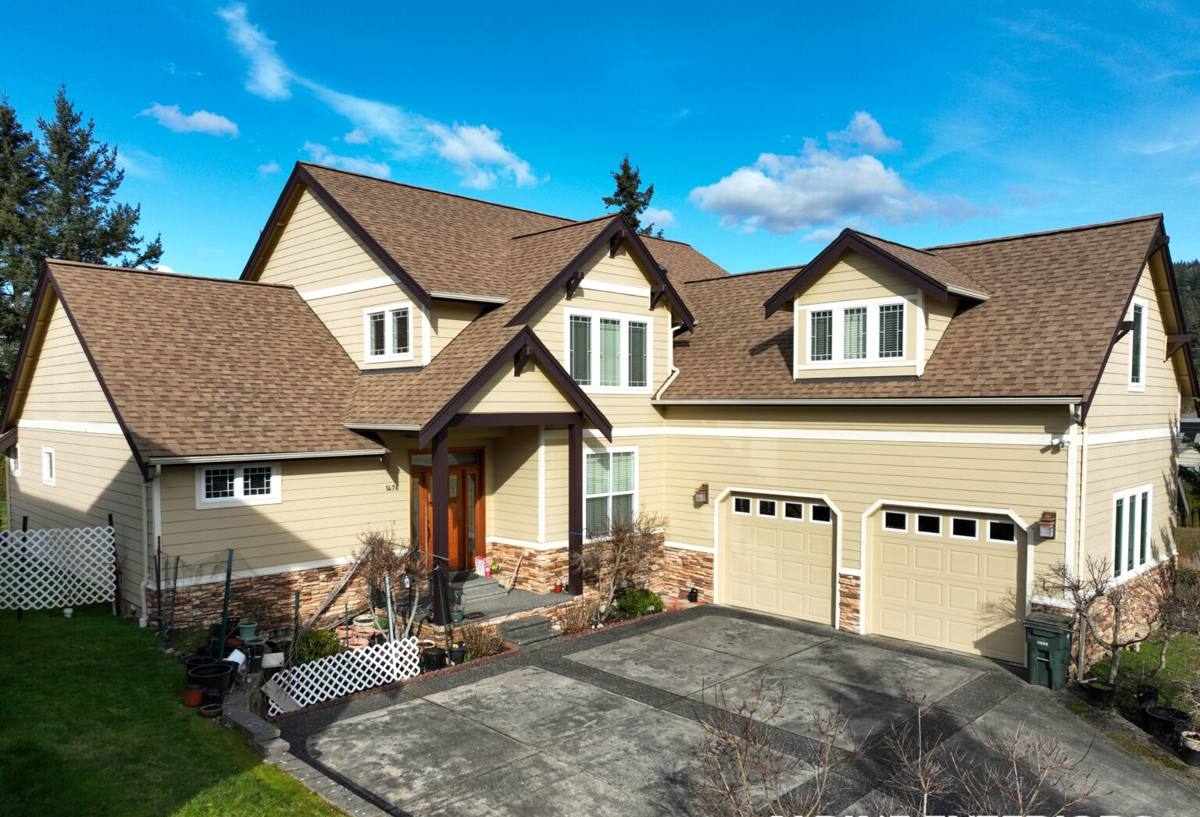
What Avon's Climate Does to a Roof Over Time
Driving Rain and Wind-Driven Moisture
Rain in this part of Washington rarely falls straight down. Storms coming off the water push rain sideways under eaves, into valleys, and up against vertical walls where the roof meets siding. A roof that only handles vertical rainfall well will eventually leak at these transition points — even if the shingles themselves look fine from the ground.
Salt Air and Metal Fatigue
Homes closer to Padilla Bay and the tidal flats get exposed to salt-laden air more than most people realize. Salt accelerates corrosion on unprotected metal — flashing, fasteners, gutters, vents — long before the roofing material itself wears out. A roof with the right material grade in these spots lasts years longer than one built with standard hardware.
Moss, Algae, and the Shade Problem
Avon's tree cover and the region's extended damp season create ideal conditions for moss and algae growth, especially on north-facing slopes and anywhere shaded by trees or neighboring structures. Moss isn't just cosmetic — its root structure lifts shingle edges, holds water against the roof deck, and speeds up granule loss. Left unaddressed, a moss-covered roof can lose years of service life.
What a Correct New Roof Installation Actually Involves
A roof is a system, not a single layer. Skipping or shortcutting any one part of it undermines the whole thing, no matter how good the shingles are. Here's what we make sure happens on every Avon installation:
- Tear-off and deck inspection: Old roofing is fully removed so we can inspect the decking underneath for rot, soft spots, or water staining — problems that are invisible until the old layer is off.
- Deck repair before anything goes back on: Any compromised sheathing gets replaced. Installing new roofing over a weak deck just hides a problem that will resurface.
- Ice-and-water shield at vulnerable points: Eaves, valleys, and roof-to-wall transitions get self-adhering waterproof membrane, not just standard underlayment, because these are exactly where wind-driven rain gets in.
- Synthetic underlayment across the field: A durable, breathable underlayment across the whole roof as the second line of defense against the moisture load this area sees.
- Corrosion-resistant flashing and fasteners: Given the salt air exposure, we use flashing and fastener grades chosen to hold up rather than corrode prematurely.
- Balanced attic ventilation: Proper intake and exhaust airflow keeps moisture from condensing inside the attic, which matters as much as keeping rain out from above.
- Finish material installed to spec: Correct nailing pattern, exposure, and sealing — installation errors are the single biggest cause of premature roof failure, more than the material itself.
Choosing the Right Roofing Material for Avon
There's no single "best" roofing material for every home — it depends on the roof's slope, shade exposure, budget, and how long you plan to stay in the house. Here's how the common options stack up for this specific climate:
| Material | How It Handles Avon's Climate | Maintenance Reality |
|---|---|---|
| Architectural asphalt shingles | Good performance when installed with proper underlayment and flashing; algae-resistant granule options help in shaded, moss-prone areas | Moderate — benefits from periodic moss/debris removal, especially on shaded slopes |
| Standing-seam metal | Sheds water and moss very effectively due to smooth, steep-draining surface; needs proper coating for salt-air durability | Low — infrequent debris clearing, longer service life |
| Wood shake/shingle | Attractive but holds moisture in this climate; higher moss and rot risk without diligent upkeep | High — regular treatment and moss control required, not our default recommendation here |
| Composite/synthetic shingle | Resists moisture absorption well; performance varies by product quality | Low to moderate — depends on manufacturer and installation quality |
We steer most Avon homeowners toward architectural asphalt with algae-resistant granules or standing-seam metal, because both give a strong balance of moisture performance, moss resistance, and manageable long-term upkeep for this specific setting. Wood shake can still be the right call for the right homeowner who's committed to the maintenance — we'll walk through the honest trade-offs rather than push one option.
Our Process, Start to Finish
1. On-Site Assessment
We walk the roof, check the attic where accessible, and look at drainage patterns, shade exposure, and existing moss or wear. This tells us what the roof actually needs, not just what it looks like from the driveway.
2. A Clear, Written Estimate
You get a straightforward breakdown of material, labor, and scope — no vague allowances that turn into surprise add-ons once the tear-off starts.
3. Tear-Off and Deck Inspection
Old material comes off, the deck gets inspected, and any repairs needed are handled before new roofing goes down.
4. Installation to Spec
Underlayment, flashing, ventilation, and finish material go in following manufacturer specs and the details this climate demands — not shortcuts.
5. Final Walkthrough
We review the completed roof with you, cover care basics, and make sure everything meets the standard we set going in.
Why Hiring a Crew That Already Works in Avon Matters
Roofing crews that mostly work drier, sunnier parts of the state don't always build in the moss resistance, extra flashing attention, and moisture management that a house near Padilla Bay and the Skagit River lowlands actually needs. A crew that regularly works Avon and the surrounding Mount Vernon area already knows which slopes on local homes tend to hold moss, where wind-driven rain causes the most trouble, and how the salt air here affects hardware choices over time. That local pattern recognition shows up in fewer callbacks and a roof that performs the way it's supposed to for its full service life — not just the first dry summer.
It also means we're not learning the area on your project. We're applying what we already know works here, adjusted to your specific roof's slope, shade, and layout.
Signs It's Time for a New Roof, Not Another Repair
- Granule loss heavy enough that you can see bare patches or find granules pooling in gutters
- Shingles that are curling, cracking, or lifting at the edges, especially on moss-prone slopes
- Recurring leaks in the same spot despite prior patch repairs
- Visible sagging anywhere in the roofline
- Daylight visible through the roof deck from inside the attic
- A roof approaching or past the manufacturer's expected service life for its material type
- Moss growth thick enough that it's lifting shingle edges rather than just sitting on the surface
If your roof shows one or two of these signs, a repair might still make sense. Several at once, or a roof already near the end of its expected life, usually means a repair is just delaying the inevitable and spending money that would be better put toward a full replacement.
What to Expect on Timeline and Disruption
Most residential roof replacements in this area take a few days to a bit over a week depending on roof size, complexity, and weather windows — Skagit County's rain pattern means we watch the forecast closely and schedule around it rather than working through it. We keep the property as clean and organized as possible during the tear-off and haul-away, and we'll walk you through what to expect for noise, driveway access, and yard protection before work starts.
If your Avon home's roof is showing wear, nearing the end of its life, or you just want an honest read on its condition, we're happy to take a look. Fill out the form below for a free, no-pressure estimate — we'll tell you what we actually see, not just what sounds good.