 Mount Vernon
 New-Construction Windows Around Clear Lake: A Different Job Than a Retrofit
Installing windows into a house that's still open to the framing is a different trade than swapping out an old window in a finished wall. There's no existing trim to match, no old flashing to work around, and no drywall to protect — but there's also no room for shortcuts, because whatever gets built into the wall at this stage stays there for the life of the house. On new builds around Clear Lake, we're setting windows before the siding goes on, which means the window and the weather barrier behind the siding have to work together as one system, not two separate trades that happen to meet at the same opening.
Clear Lake sits in a part of Skagit County that gets the full range of what Western Washington weather can do — long stretches of steady rain, wind off the water, and a mossy, damp shoulder season that lasts longer than most homeowners expect. New-construction windows here need to be installed with that in mind from the first nailing fin, not corrected for later.
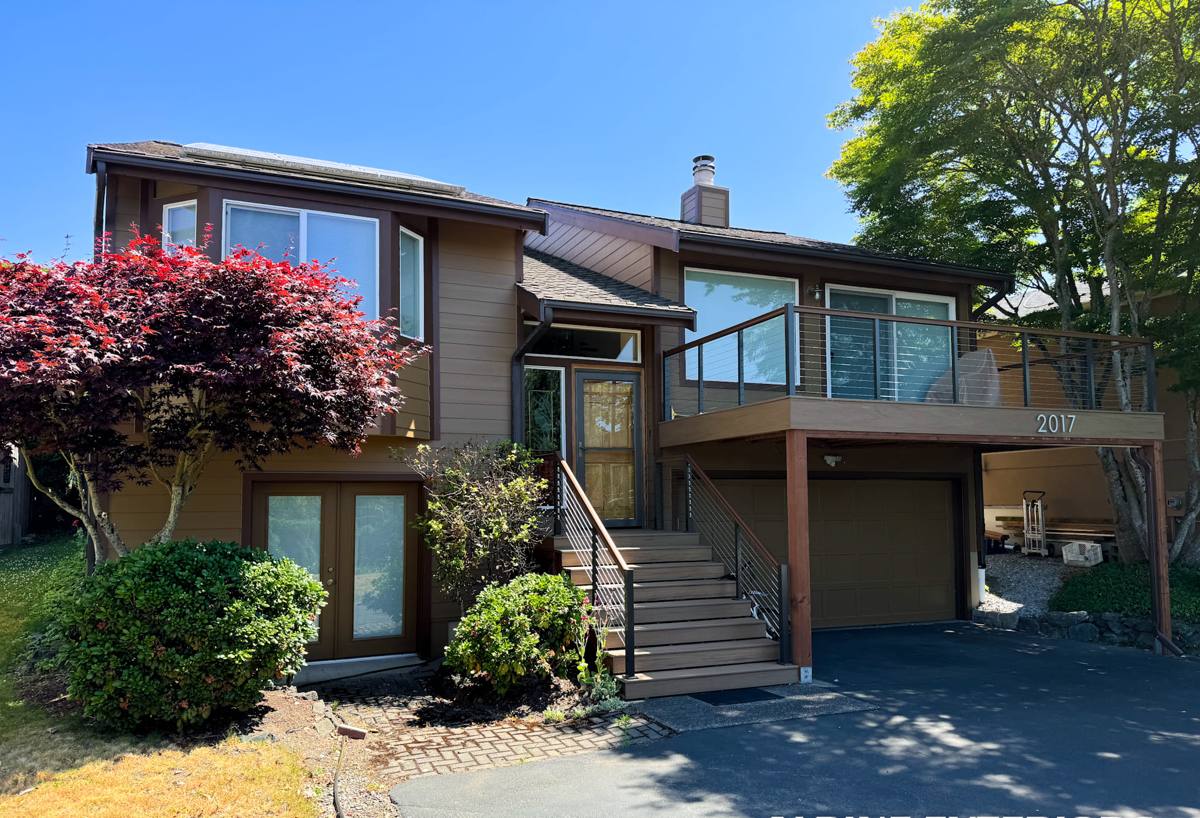
What the Local Climate Actually Demands From a Window Install
Skagit County's combination of salt-influenced air, driving rain, and extended damp seasons puts real stress on a building envelope. It's not one big storm that causes problems — it's months of low-grade moisture exposure working on every seam, fastener, and sealant joint. A few things we plan around on every Clear Lake job:
- Wind-driven rain: Rain here rarely falls straight down. Flashing details have to shed water sideways as well as down, especially on walls exposed to prevailing weather.
- Salt air influence: Being close to Puget Sound and the Skagit Valley's tidal flats means metal components — flashing, fasteners, hardware — need corrosion resistance that inland installs can sometimes get away without.
- Moss and organic buildup: A long moss season means sills and horizontal surfaces need slope and drainage built in, not added later, so water and debris don't sit against the window frame.
- Sustained humidity: Condensation control at the window-to-wall junction matters as much as the exterior seal — trapped moisture on the interior side causes rot just as fast as a leak on the outside.
Windows and Siding Are One Envelope, Not Two Trades
This is where a lot of new-construction window problems actually start — not in the window unit itself, but in the handoff between the window installer and the siding crew. If the weather-resistant barrier isn't lapped correctly over the flanges, if the flashing tape isn't sequenced in the right order (sill, jambs, then head), or if the siding is installed tight against the window trim with no room for the wall to shed water, you get a wall that looks finished but is set up to fail quietly over several years.
Because we handle both the window integration and the siding on new builds, there's no gap between those two scopes. The same crew that sets the window is thinking about how the siding will terminate around it, how the drainage plane behind the cladding will carry water past the opening instead of into it, and how trim details will hold up to Skagit County's rain load over the long term — not just look right on install day.
The Order That Actually Matters
A correct new-construction window installation follows a specific sequence, and skipping or reordering steps is the single most common cause of early callbacks:
- Rough opening checked for square, level, and correct dimensions before the window ever shows up on site
- Sill pan flashing installed first, sloped to drain to the exterior
- Window set, shimmed, and fastened per manufacturer spec — not just "nailed until it feels solid"
- Jamb flashing installed over the nailing fin, lapped correctly with the sill pan
- Head flashing installed last, integrated with the weather-resistant barrier above
- Interior air sealing at the rough opening, separate from the exterior water management
- Final check for operation, square, and gap consistency before siding crews close in around it
Choosing Windows That Hold Up Near Clear Lake
Frame material and glazing package both affect how a window performs against the local climate over 10, 20, and 30 years — not just on day one. We talk through these trade-offs honestly with builders and homeowners rather than pushing one product line.
| Frame Type | Moisture Behavior | Maintenance | Typical Fit for This Area |
|---|---|---|---|
| Vinyl | Doesn't absorb moisture; welded corners resist water intrusion if installed correctly | Low — no painting or sealing needed | Solid, cost-effective choice for most new builds |
| Fiberglass | Very stable in wet/dry cycling; minimal expansion and contraction | Low | Strong long-term option, higher upfront cost |
| Wood-clad | Exterior cladding protects the frame, but any breach at joints or fasteners lets moisture reach the wood core | Higher — exterior clad finish and interior wood both need periodic attention | Works best on covered or protected elevations, more installation-sensitive in driving rain |
| Aluminum | Conducts cold and can condense in humid conditions unless thermally broken | Low | Better suited to commercial or specific architectural uses than typical residential new builds here |
We don't avoid wood-clad or aluminum outright — they have real uses — but we're upfront when a frame choice will need more installation precision or more long-term upkeep in a wet, salt-influenced climate like this one, so the decision gets made with full information instead of after the fact.
Energy Code and Sizing Considerations
Washington's state energy code sets minimum performance requirements for new-construction glazing, and those requirements get checked at inspection — this isn't optional trim on the job. U-factor and solar heat gain coefficient both factor into whether a house passes, and window selection has to be coordinated with the rest of the envelope (insulation levels, air sealing approach) rather than picked in isolation. Egress requirements for bedroom windows are another item that has to be right in the rough framing stage, since resizing an opening after the wall is closed in is a far bigger job than getting it right the first time.
We work from the plans and the local jurisdiction's requirements up front, so window sizes, sightlines, and performance ratings are locked in before framing moves past the rough opening stage — not discovered as a problem at inspection.
What a New-Construction Window Job Looks Like With Us
- Site visit or plan review before ordering, to confirm rough opening sizes and any egress or code-driven requirements
- Straightforward walkthrough of frame material, glazing, and pricing trade-offs — no pressure toward one brand
- Coordinated scheduling with the framing and siding timeline so windows go in at the right point in the build, not rushed or delayed
- Flashing and drainage plane detailing built for wind-driven rain and sustained damp conditions, not a generic install
- Final walkthrough covering operation, weatherstripping, and how to spot early signs of a seal or flashing issue down the road
A Practical Checklist for Homeowners and Builders
- Confirm window sizes and egress requirements match the approved plans before ordering
- Ask how sill pan flashing will be sloped and lapped — this is the detail that prevents the most future problems
- Confirm who is responsible for the handoff between window flashing and the siding's weather-resistant barrier
- Check that fasteners and flashing metal specified are appropriate for a salt-influenced, high-moisture environment
- Get the energy code glazing requirements in writing before the windows are ordered, not after
Why Hiring a Crew That Already Works Clear Lake Matters
A window that's rated correctly and installed by the book in a dry inland climate can still fail early in a spot like Clear Lake if the installer isn't accounting for how much water this area actually sees over a year, or how salt air affects fastener and flashing choices. There's no substitute for having done this specific work, in this specific pocket of Skagit County, enough times to know where wind-driven rain actually hits a wall and where moss and standing moisture tend to collect on a sill over a few damp winters.
We're a Mount Vernon-based crew, and Clear Lake is inside our regular service area — not a stretch job we take occasionally. That matters on new construction specifically, because the window install and siding install are happening back-to-back on the same crew's schedule, with the same understanding of how this envelope needs to perform against local weather, not a generic spec pulled from a manufacturer's national install guide.
If you're planning a new build near Clear Lake and want windows installed right the first time — flashed, sequenced, and integrated with the siding correctly — we're happy to walk the plans with you and put together a free, no-pressure estimate. Use the form below to get started.