 Mount Vernon
 Metal Roofing Built for Big Lake's Weather, Not Just Any Roof
Big Lake sits in that stretch of Skagit County where the weather never quite makes up its mind. You get long stretches of driving rain off the water, damp air that never fully dries out, and enough shade from the surrounding trees to keep moss thriving on anything that holds moisture for more than a day or two. A roof out here isn't judged by how it looks in July — it's judged by how it holds up in February, year after year.
Metal roofing has become a popular answer for homeowners around Big Lake precisely because it handles that combination better than most alternatives. It sheds rain fast, it doesn't give moss the organic material it needs to root in, and a properly installed system can go decades without the kind of granule loss or curling that shortens the life of other roofing materials in this climate. But "metal roof" isn't a single product — panel type, fastening method, underlayment, and flashing detail all matter, and getting any one of them wrong turns a 40-plus-year roof into a 10-year headache.
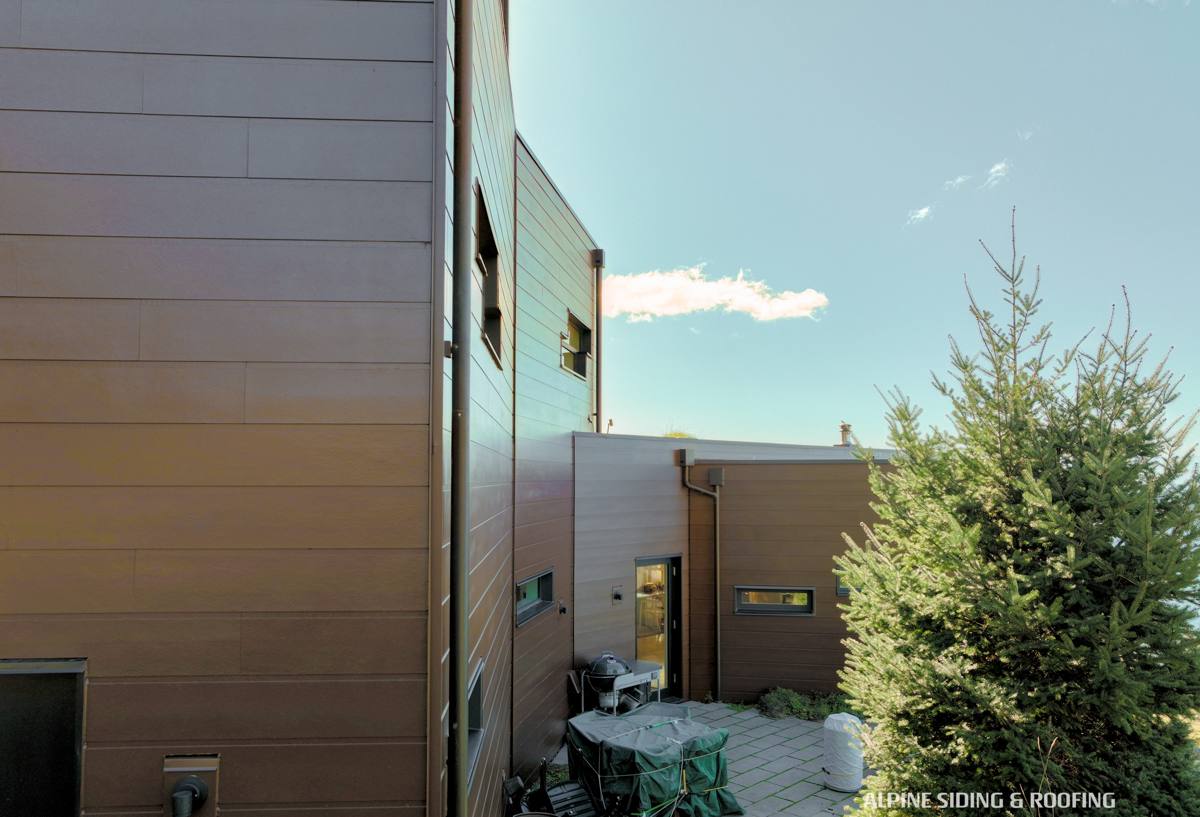
What Big Lake's Climate Actually Does to a Roof
Salt Air and Moisture
Homes near Big Lake and the surrounding waterways deal with a low but steady dose of salt-laden air, especially when wind carries moisture up from Puget Sound and the Skagit delta. Salt air accelerates corrosion on any exposed metal fasteners, flashing, or panel edges that aren't properly coated or sealed. It's a slow process, but it's relentless, and it's one of the main reasons fastener choice and coating quality matter more here than in drier inland areas.
Driving Rain
Western Washington rain rarely falls straight down — wind pushes it sideways, which means it finds every gap in flashing, every under-driven fastener, and every place where two roof planes meet. A roof that's fine in a light shower can leak during a wind-driven storm if the underlayment and flashing details weren't done right the first time.
Moss and Shade
The tree cover common around Big Lake keeps parts of many roofs shaded most of the day. Shade plus moisture is exactly what moss needs. On asphalt shingles, moss roots into the granule layer and lifts it, shortening the roof's life. Metal doesn't give moss the same foothold, but debris still needs to be kept off the panels and out of the valleys, or moisture gets trapped against the surface long enough to cause staining and, eventually, coating breakdown.
What a Correct Metal Roofing Job Involves
A metal roof is only as good as the details underneath it. The panels get the attention because they're visible, but the parts that actually determine whether the roof performs are mostly hidden once the job is done.
- Deck inspection and repair: Any soft, rotted, or water-damaged decking gets replaced before anything else happens. Installing new roofing over a compromised deck just hides a problem that will resurface.
- Underlayment: A high-temperature synthetic or ice-and-water underlayment goes down first, giving the roof a secondary barrier against wind-driven rain that gets past the panels at seams or fastener points.
- Fastener selection: Fasteners matched to the panel material and coated to resist the corrosive effects of salt air — mismatched metals or bargain fasteners are one of the most common causes of premature staining and leaks.
- Panel layout and seams: Panels run and overlapped in a way that respects the roof's actual water flow, not just laid out for convenience.
- Flashing at every transition: Valleys, chimneys, skylights, and wall intersections are where most roof leaks start. Custom-formed flashing, not generic trim, is what keeps water out at these points.
- Ventilation: Proper intake and exhaust airflow keeps moisture from condensing on the underside of the panels, which matters in a climate as damp as ours.
Panel Types We Work With
There's more than one way to do a metal roof correctly, and the right choice depends on the home, the roof pitch, and the homeowner's priorities.
| Panel Type | Typical Use | Notes for Big Lake's Climate |
|---|---|---|
| Standing seam | Most residential roofs, especially visible street-facing roofs | Concealed fasteners mean fewer penetration points for wind-driven rain to exploit |
| Exposed-fastener panel | Outbuildings, shops, budget-conscious projects | Costs less up front but requires periodic fastener inspection since gaskets can wear over time |
| Stone-coated steel | Homes wanting a shake or shingle look with metal's durability | Good moss resistance; coating quality affects long-term salt-air performance |
| Corrugated/ribbed steel | Barns, garages, secondary structures | Economical but shows fastener wear sooner in coastal-influenced air |
We'll walk through which option fits your roofline and budget rather than pushing one product for every job — a shop roof and a primary residence usually call for different answers.
Coatings and Gauge Matter More Than Brand Names
Two roofs can use the same base metal and perform completely differently depending on the paint or coating system and the steel or aluminum gauge underneath it. Thicker gauge resists denting from falling branches and hail; a quality baked-on finish resists fading and chalking under UV exposure and holds up better against the slow corrosive effect of salt-tinged air. We'll go over the specific coating warranty and gauge for any product we quote so you know exactly what you're buying, not just a brand name.
Our Process for Big Lake Homes
- On-site assessment: We look at the existing roof, deck condition, ventilation, tree cover, and how water currently moves off the roof — not just square footage.
- Honest scope and quote: You get a clear breakdown of what's being replaced, what panel and underlayment system is recommended, and why — including trade-offs if there's a lower-cost option that fits your situation.
- Deck and structure prep: Any decking issues get addressed before panels go on, with photos and explanation if repairs beyond the original scope are found.
- Installation: Underlayment, flashing, and panels installed in sequence, with particular attention to valleys, penetrations, and edge details given how much wind-driven rain this area sees.
- Final walkthrough: We go over the finished roof with you, including basic maintenance expectations like debris clearing, before considering the job done.
Why a Crew That Already Works Big Lake Makes a Difference
Roofing crews that only occasionally work this area sometimes default to generic specs that work fine in drier climates but fall short here. A crew that regularly works around Big Lake and greater Mount Vernon already knows which flashing details tend to fail under sustained wind-driven rain, how much ventilation a shaded, moss-prone roof actually needs, and which fastener coatings hold up against the salt air drifting in from the Skagit delta and Sound. That's not a marketing point — it's the difference between a roof that needs attention again in five years and one that doesn't.
It also means faster response if something does need a look after a bad storm. A local crew isn't scheduling a return trip from two counties away.
Cost Factors to Expect
Metal roofing costs more up front than asphalt shingles, generally by a meaningful margin, but the calculation changes when you factor in lifespan and reduced maintenance. Exact numbers depend on panel type, roof complexity, and current deck condition, but a few factors consistently move the price:
| Factor | Effect on Cost |
|---|---|
| Panel type (exposed-fastener vs. standing seam) | Standing seam typically costs more due to labor and specialized tools |
| Roof complexity (valleys, dormers, penetrations) | More transitions mean more custom flashing and labor time |
| Deck condition | Rot or damage found during tear-off adds repair cost before installation continues |
| Coating/gauge quality | Higher-grade coatings and thicker gauge cost more but last longer in salt-influenced air |
| Tear-off vs. overlay | Full tear-off costs more initially but avoids trapping moisture under old roofing |
Maintenance That Actually Extends the Roof's Life
- Clear needles, leaves, and branches out of valleys and off panels, especially after fall storms
- Check gutters and downspouts for debris that can back water up under panel edges
- Watch for scratches or scuffs after storm damage or falling limbs, since bare metal exposed to salt air corrodes faster than coated surfaces
- Have flashing and sealant points looked at every few years, particularly around chimneys and skylights
- Trim back overhanging branches that keep sections of the roof shaded and damp longer than necessary
None of this requires constant attention — that's part of the appeal of metal roofing in a climate like this one — but a little seasonal upkeep goes a long way toward hitting the full lifespan the material is capable of.
Get a Straight Answer for Your Big Lake Roof
If you're weighing a metal roof for a home near Big Lake, we're happy to take a look, walk you through what your specific roof needs, and give you real numbers — no pressure, no upsell script. Fill out the form below for a free estimate, and we'll go from there.