 Mount Vernon
 Windows in Downtown Mount Vernon Take a Different Kind of Beating
Downtown Mount Vernon is a mix of older homes near the historic core and newer infill closer to the river corridor, and both share the same problem: Skagit County weather doesn't let up. Moist marine air moves through the valley most of the year, driving rain comes in sideways during fall and winter storms, and the long stretch of gray, wet months keeps everything — siding, trim, roofs, and window frames — damp far more often than it's dry. Add in a persistent moss season that coats north-facing surfaces and anything shaded by mature street trees, and you've got conditions that will find every weak point in a window installation eventually.
A window that's a fine fit for a dry inland climate can still fail here within a few years if it wasn't installed with this specific weather in mind. That's the difference between a generic window swap and custom window work done for a Downtown Mount Vernon home.
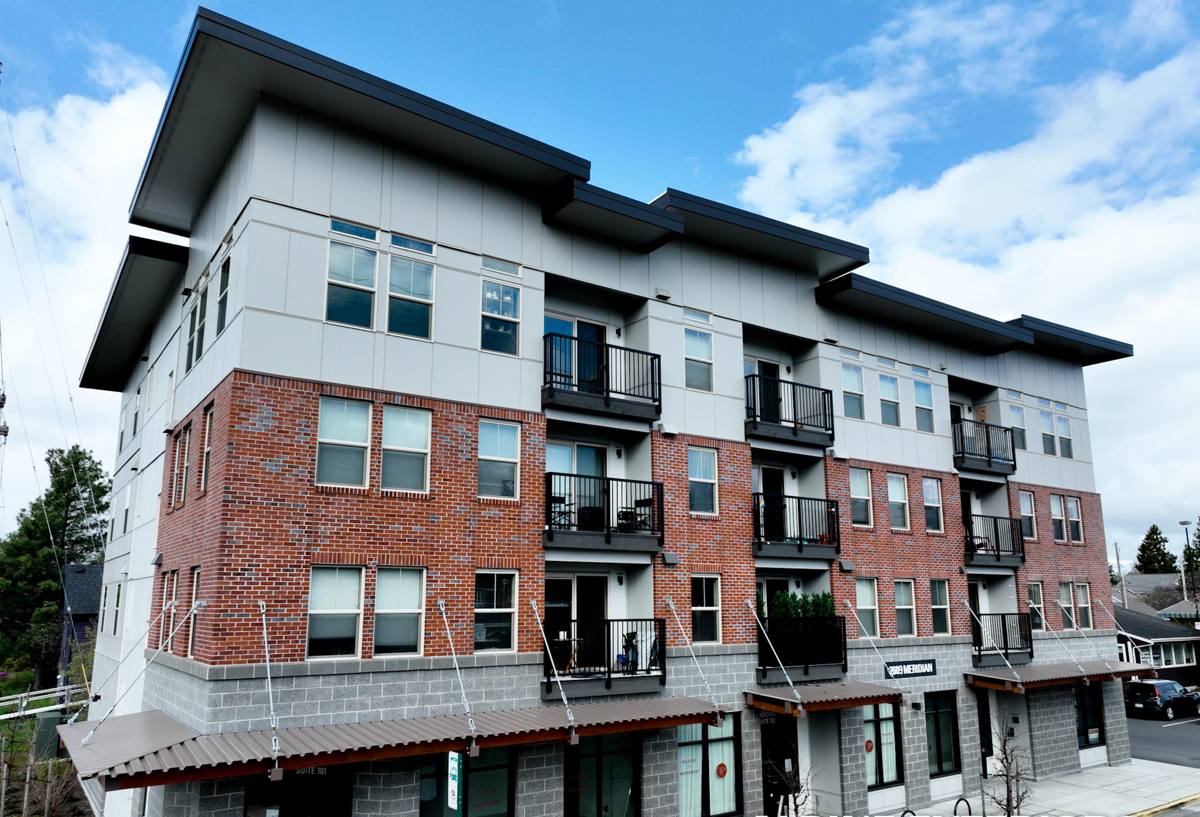
What "Custom" Really Means for This Neighborhood
Custom windows doesn't have to mean unusual shapes or luxury pricing. For most Downtown Mount Vernon homes it means:
- Windows built to the actual rough opening of an older home, instead of forcing a standard size and packing the gaps with trim
- Matching the sightlines and grid patterns of a historic or craftsman-era house so new windows don't look out of place next to original trim
- Choosing frame materials and glass packages suited to a wet, marine climate rather than whatever is cheapest at a big-box supplier
- Flashing and sealing details built around this region's rain volume, not a generic install method
Older Downtown Mount Vernon homes especially benefit from a measure-and-build approach rather than a one-size-fits-all replacement, since original openings are rarely perfectly square after decades of settling.
Where Custom Sizing Matters Most
Bay windows, homes with unusual ceiling heights, additions built at slightly different eras than the original structure, and any house where a previous owner already did a rough retrofit are the cases where standard sizes cause the most problems. Forcing an off-the-shelf window into an opening it wasn't made for usually means extra shimming, more caulk doing the work that flashing should be doing, and a shorter service life.
How Skagit County Climate Attacks a Window Installation
Salt and Marine Air
Mount Vernon sits close enough to Puget Sound and Skagit Bay that marine air reaches the valley regularly. That air carries moisture and minerals that accelerate corrosion on unprotected metal hardware, fasteners, and lesser-quality aluminum components. It's rarely dramatic — it's a slow degradation that shows up as pitted hardware, stiff locks, and frames that don't seal as tightly as they used to.
Driving Rain
Wind-driven rain doesn't just hit a window head-on — it gets pushed up and under trim, into gaps around the frame, and behind siding that isn't properly lapped. This is the single biggest cause of hidden rot around windows in this area. By the time you see a stain on interior drywall, water has often been getting behind the wall for a season or more.
Moss and Sustained Dampness
A long moss season means surfaces around windows — sills, lower trim, north- and east-facing walls — stay damp longer between dry spells. Moss and algae growth on nearby siding or trim holds moisture against the wall assembly, which speeds up wood rot and paint failure right at the window perimeter if drainage details weren't done correctly.
Warning Signs Worth Checking Now
- Fogging or a hazy film between panes of double-pane glass — the seal has failed
- Soft or discolored trim or sill wood, especially on the lower edge
- Windows that are hard to open, close, or lock, or that rattle in the wind
- Visible daylight or a draft around the frame when the window is closed
- Peeling paint or bubbling on interior or exterior trim near the window
- A musty smell in a room even when it's clean and dry
- Moss or dark streaking building up just below a window that wasn't there a year or two ago
Any one of these on its own might be minor. Two or three together, especially on the same window, usually means water is getting behind the frame.
Frame Material Trade-Offs for This Climate
There's no single "best" window material for every house — it depends on the home's age, style, budget, and how much upkeep the owner wants to do. Here's how the common options actually perform in Skagit County conditions:
| Material | Moisture Performance | Maintenance | Best Fit |
|---|---|---|---|
| Vinyl | Good — won't rot, handles damp cycles well | Low | Most Downtown Mount Vernon homes, value-focused replacements |
| Fiberglass | Very good — dimensionally stable in temperature and moisture swings | Low to moderate | Homes wanting durability with a slightly more refined look |
| Aluminum | Fair — prone to condensation and slower corrosion from marine air without a quality thermal break | Moderate | Specific architectural or commercial-style applications |
| Wood / wood-clad | Good if properly clad and maintained, poor if neglected | High | Historic-district homes where original character matters most |
For a lot of the older housing stock near Downtown Mount Vernon's core, we lean toward vinyl or fiberglass with a quality low-E glass package. Wood-clad windows have their place, particularly where matching historic trim is a priority, but we're upfront that they demand more upkeep in a climate this wet — that's a maintenance conversation, not a knock on the product.
Our Installation Process
- On-site assessment — We check existing openings, trim condition, and look for any signs of hidden water damage before quoting anything.
- Precise measurement — Openings are measured individually rather than assumed to match, since older homes settle unevenly over time.
- Removing and inspecting — When we pull the old window, we check the framing and sill underneath for rot before anything new goes in. Hidden damage gets addressed, not covered up.
- Flashing and weather barrier work — This is the step that determines whether a window lasts 5 years or 25 in this climate, covered in detail below.
- Setting and sealing the window — Shimmed level and square, sealed with the right materials in the right order — not just a bead of caulk around the outside.
- Trim and finish work — Interior and exterior trim restored or replaced to match the home.
- Final walkthrough — Every window operates smoothly and seals tight before we call the job done.
Flashing and Sealing: The Part That Actually Prevents Rot
Most window failures we see aren't the window's fault — they're an installation shortcut that didn't account for how much rain this area gets. Correct flashing means water that gets behind the siding or trim is directed back out, not trapped against the wood framing. That means proper head flashing above the window, correctly lapped side flashing, and a sill pan that sheds water outward instead of letting it pool.
Caulk has a role, but it's a backup, not the primary defense. A window that relies on caulk alone to keep water out will eventually leak — it's a question of when, not if, especially with the driving rain Downtown Mount Vernon gets several months a year. This is also where a lot of cut-rate installs fail: the window itself might be a fine product, but if the flashing sequence was skipped or rushed, moisture problems show up within a few wet seasons.
What Affects the Cost
| Factor | Why It Matters |
|---|---|
| Number and size of windows | Larger openings and full-house replacements involve more material and labor |
| Frame material chosen | Vinyl, fiberglass, and wood-clad options carry different material costs |
| Condition of existing framing | Rot repair adds labor and material beyond the window itself |
| Glass package | Standard double-pane vs. upgraded low-E or triple-pane affects both cost and performance |
| Trim and exterior finish work | Matching historic trim profiles takes more time than standard trim |
| Access and site conditions | Second-story or hard-to-reach windows take longer to install safely |
Broadly, a single standard-size vinyl window replacement runs in the low-to-mid four figures installed, with fiberglass and wood-clad options running higher. Full-home replacements and jobs with rot repair or custom sizing move up from there. We'll always give you the real number for your house after a look at the actual openings — not a phone estimate.
Why a Crew That Already Works Downtown Mount Vernon Matters
A contractor who works this neighborhood regularly already knows the common housing ages, the typical framing quirks of homes built in different eras around the core, and how badly a given exposure — north-facing, shaded by trees, close to the river — tends to get hit by moss and moisture. That's not a sales pitch, it's practical: less guesswork on the assessment, fewer surprises once trim comes off, and a flashing approach that's already proven out on houses like yours in this exact climate. It also means someone local you can call if a question comes up after the job is done, rather than a crew that installed windows here once and moved on.
If your windows in Downtown Mount Vernon are drafty, fogged, hard to operate, or you're just planning ahead before the next wet season, we're happy to take a look. Reach out for a free, no-pressure estimate using the form below.