 Mount Vernon
 Why Conway Homes Need a Different Approach to Windows
Conway sits low in the Skagit River delta, close enough to Skagit Bay and Puget Sound that salt-laden air is a daily fact of life, not an occasional weather event. Add in wind-driven rain that comes at the house sideways during winter storms, plus a long, damp moss season that can run from October through May, and you have a climate that is genuinely harder on windows than most inland parts of Skagit County. Frames, sills, and seals here work overtime. A window that would last two decades in a drier part of the state can show real wear in Conway in half that time if it wasn't installed with this specific exposure in mind.
This isn't a reason to panic about your windows — it's a reason to be deliberate about material choice, flashing detail, and installation sequence when it's time to replace them. That's the whole focus of this page: what custom windows for a Conway home actually need to hold up, and what a correct installation looks like.
What "Custom" Really Means Out Here
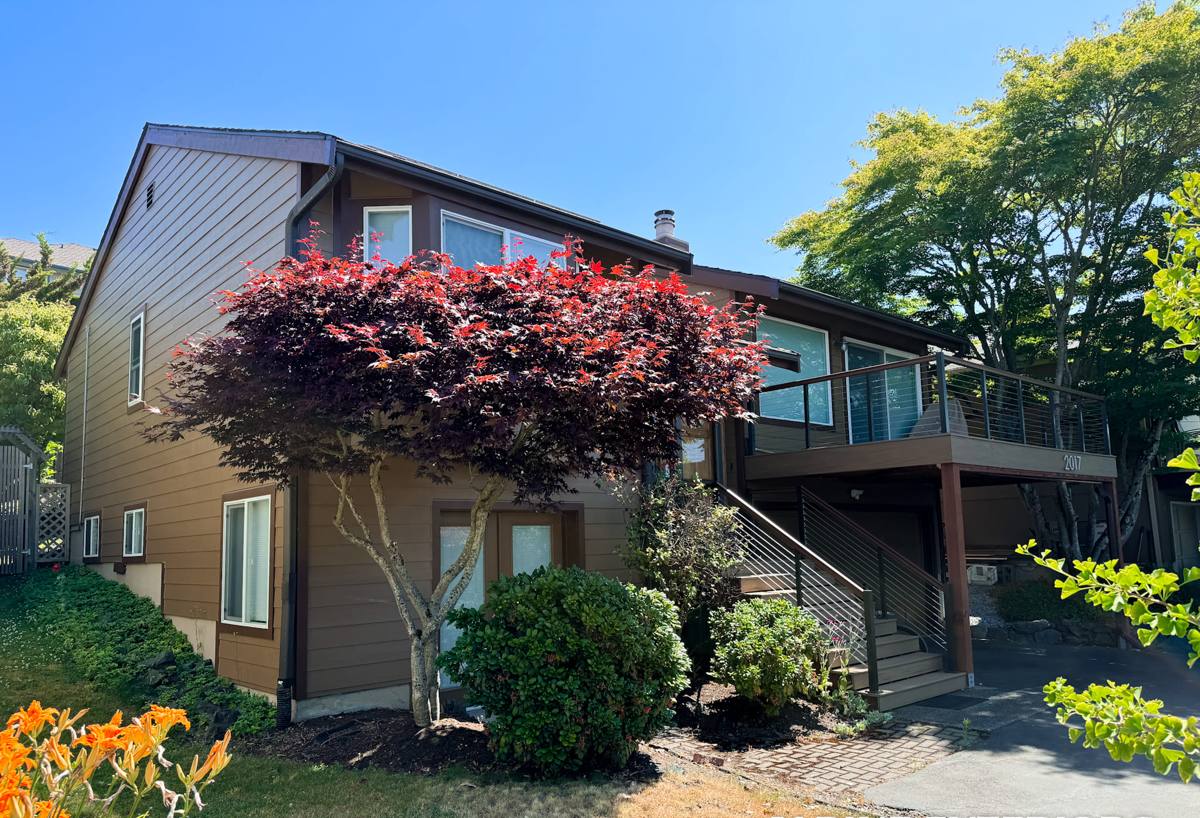
"Custom windows" gets thrown around loosely, but in a place like Conway it has a practical meaning. Many homes in this area are older farmhouses, remodeled cottages, or additions built over several decades, which means openings are rarely a clean, standard size. Settling, past repairs, and mixed construction eras all add up to rough openings that don't match anything on a stock size chart.
Custom, in this context, means:
- Windows manufactured to the actual measured opening, not the nearest standard size with gaps shimmed and caulked to fit
- Frame depth matched to your wall assembly, which matters more here because moisture management depends on the window sitting correctly in the wall plane
- Sightlines and grid patterns that match the rest of the house, especially on older Conway homes where mismatched replacement windows stand out immediately
- Hardware and glazing specified for coastal-adjacent exposure, not generic inland packages
Trying to force a standard-size window into a non-standard opening is one of the most common corners cut in this trade, and it's usually invisible until the first hard winter storm finds the gap.
Signs Your Current Windows Are Losing the Fight
Because Conway's climate is unusually demanding, window failure often shows up earlier and more visibly than homeowners expect. Worth checking for:
Moisture and seal failure
Fogging or a persistent haze between the panes means the seal on a double- or triple-pane unit has failed and moist air has gotten into the gas-filled cavity. This isn't cosmetic — it's a sign the insulating value of that window is gone for good, and it tends to accelerate once it starts.
Frame condition
Soft spots, discoloration, or a chalky white bloom on aluminum or vinyl frames are all consistent with prolonged salt air exposure. Wood frames showing dark staining at joints or sills, especially on the weather-facing side of the house, are usually further along than they look from the outside.
Moss and growth around the frame
Moss creeping onto the sill or into the corners of a window frame isn't just an aesthetic issue in Conway's long wet season — it holds moisture against the frame and finish far longer than open air would, which speeds up rot and finish breakdown underneath it.
Drafts and operation
If a window is hard to open and close, or you can feel air movement around the sash on a windy day, the weatherstripping or the frame itself has likely moved out of true. In a house that takes direct wind off the delta, that's not a minor annoyance — it's real heat loss.
What a Correct Installation Actually Involves
The window unit itself is only part of the job. In a high-exposure area like Conway, the installation detailing matters as much as the product, because that's what determines whether wind-driven rain stays outside the wall or finds its way in behind the siding.
Flashing and moisture barrier work
Every opening needs a properly lapped flashing system — sill pan, side flashing, and head flashing installed in the correct shingle-lap order so water is always directed outward and downward, never trapped against the sheathing. This is the single most common point of failure we see in wind-driven-rain climates, and it's completely hidden once the trim goes back on.
Sealant, not caulk as a cure-all
Sealant has a job at the perimeter, but it is a backup to good flashing, not a substitute for it. A window that relies on a bead of caulk to keep water out will eventually fail, usually right around the time the caulk starts to shrink and crack — which happens faster here than in drier climates.
Fastening and shimming for square and plumb
An out-of-square install stresses the sash, wears hardware faster, and can compromise the weatherstripping seal from day one. This is especially relevant in older Conway homes where the rough opening itself may not be perfectly square to begin with.
Interior and exterior trim sequencing
Trim goes on in a specific order relative to the flashing and moisture barrier — get that sequence wrong and you can trap moisture behind the trim where it will do damage for years before anyone notices.
Frame Material Comparison for a Delta Climate
| Material | How it handles salt air and moisture | Maintenance in Conway's climate | Typical lifespan here |
|---|---|---|---|
| Vinyl | Doesn't corrode; performs consistently in salt-adjacent air | Low — periodic cleaning to keep salt film and moss spores from building up | Long service life with correct installation |
| Fiberglass | Very stable, resists warping and corrosion, holds paint well if factory-finished | Low | Long service life, often the most stable option in this climate |
| Aluminum (uncoated or standard finish) | Vulnerable to corrosion and pitting from salt air over time | Higher — needs regular inspection and cleaning of the finish | Shorter than vinyl or fiberglass unless a marine-grade coating is specified |
| Wood (unclad) | Attractive but most sensitive to moisture; needs a sound exterior finish system to survive here | Highest — repainting/resealing on a real schedule | Shortest without diligent upkeep and good detailing |
| Wood-clad (aluminum or vinyl exterior, wood interior) | Exterior clad layer handles the weather; interior keeps the wood look | Moderate | Solid option when the clad layer is properly detailed at the joints |
None of these are wrong choices in the abstract — the right one depends on your home's style, your budget, and how much upkeep you actually want to do. We'll walk through the honest trade-offs for your specific house rather than push one product line.
Our Process, Start to Finish
- On-site assessment. We measure every opening individually, check for rot, settling, or square issues, and look at how the existing windows have actually performed against wind and rain on your specific exposures.
- Product selection. We go over frame material, glazing package, and grid/style options based on your home's construction and your priorities — energy performance, maintenance, or matching existing trim.
- Custom order. Units are built to the true measured opening, not adjusted after the fact.
- Removal and prep. Old units come out, the opening is inspected for hidden moisture or rot damage before anything new goes in — this is often where problems from a previous install turn up.
- Flashing and installation. Sill pan, flashing, and moisture barrier detailing come first, then the window, shimmed square and fastened correctly.
- Trim and sealant. Interior and exterior trim go back in the correct sequence, with sealant applied as the backup layer, not the primary defense.
- Walkthrough. We check operation on every window and go over basic care specific to your frame material before we leave.
A Practical Checklist Before You Hire Anyone
- Do they measure every opening individually, or quote off a standard size chart?
- Will they show you the flashing and sill pan detail, not just the window brand?
- Do they check the rough opening for hidden rot before installing, not after?
- Can they explain the maintenance difference between frame materials for your specific exposure?
- Do they have experience with older or non-standard openings common in this area?
- Is the warranty on both the product and the labor, in writing?
Why Local Experience in Conway Specifically Matters
A crew that mostly works drier, more sheltered parts of Skagit County can still do a technically fine install and have it underperform in Conway, simply because they're not used to detailing for this level of wind-driven rain and salt exposure. Knowing how hard the weather actually hits a house in this part of the delta changes decisions on flashing overlap, sealant choice, and even which frame materials we'll recommend without hesitation versus which ones we'll flag as higher-maintenance here. That judgment only comes from having installed and later serviced windows in this specific stretch of the county, not from a general install job.
Living With Your Windows Once They're In
Even a correctly installed window benefits from a little seasonal attention in this climate. Rinsing salt film off exterior frames a few times a year, keeping moss from establishing on sills and in corners, and checking weatherstripping before the heavy winter storms arrive will meaningfully extend the life of any frame material. None of this is heavy labor — it's the difference between a window that looks and performs well for its full service life and one that starts showing its age early because moss and salt were left to sit.
If your current windows are showing any of the wear signs above, or you're planning a renovation and want windows sized and detailed correctly for a Conway property from the start, we're happy to come take a look. The estimate is free, there's no pressure, and you'll get a straight answer about what your home actually needs — not an upsell.