 Mount Vernon
 Why Anacortes Homes Need Windows Built for the Coast
Anacortes sits out on Fidalgo Island, surrounded by saltwater on nearly every side, which puts homes here in a different weather category than houses further inland in Skagit County. The same marine exposure that makes the area beautiful also means window frames, seals, and hardware take a harder beating than they would in Mount Vernon proper or the valley towns to the east. Salt-laden air, wind-driven rain off the Sound, and a wet season that stretches for months are the three forces we design around whenever we quote a custom window job out here.
A "custom window" job in this context doesn't necessarily mean unusual shapes or oversized glass, though we do plenty of that too. More often it means matching the right frame material, glazing package, and flashing detail to a specific wall, a specific exposure, and a specific house — something a big-box measure-and-install crew working off a standard spec sheet usually skips.
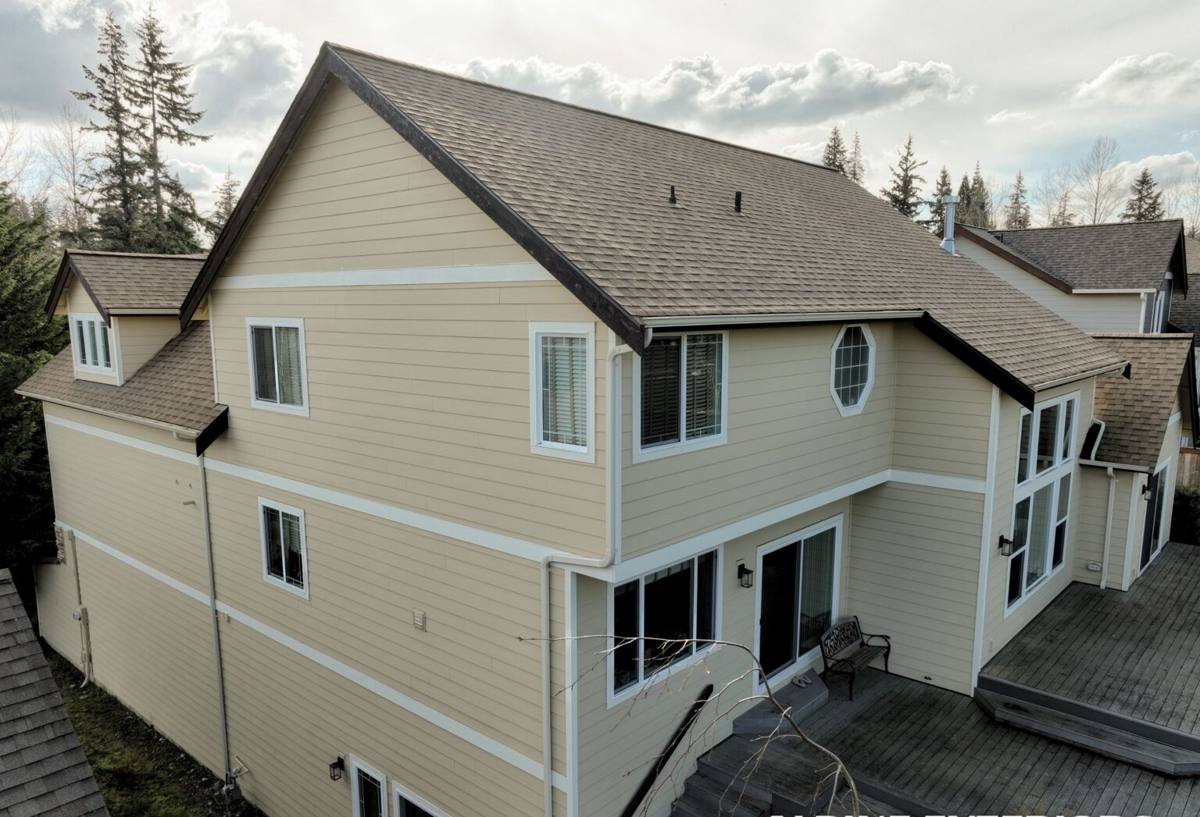
What Salt Air and Driving Rain Actually Do to Windows Over Time
It helps to understand the failure modes before talking about solutions, because the fixes only make sense in that context.
Salt Air Corrosion
Airborne salt settles on any exposed metal — hinges, cranks, screws, and especially aluminum cladding or hardware that isn't rated for coastal use. Over years, that salt film accelerates corrosion, pitting fasteners and seizing up moving hardware on casement and awning windows. It's slow, so homeowners often don't notice until a window won't latch cleanly or a crank starts grinding.
Driving Rain and Wind-Driven Water
Anacortes catches wind off the water that pushes rain sideways into a wall, not just straight down onto a roof. Windows that rely on caulk alone, rather than proper flashing and a drainage plane behind the frame, will eventually let water track behind the trim and into the wall cavity. This is one of the most common hidden problems we find when we pull old windows out of coastal Skagit County homes — rot that started years before anyone saw a stain indoors.
The Long Moss Season
Western Washington's moss season isn't limited to roofs. On north-facing and shaded walls, moss and algae growth on sills, trim, and even glazing beads holds moisture against wood and vinyl for weeks at a time. That constant damp cycle is hard on caulk joints, wood sills, and any seal that isn't built to shed water quickly.
Frame Material: What Actually Holds Up Here
There's no single "best" window frame material for every house — it depends on exposure, budget, and how the home is built. Here's how the common options actually perform under Anacortes conditions.
| Frame Material | Coastal Performance | Maintenance | Notes for This Area |
|---|---|---|---|
| Vinyl | Good — won't corrode or rot | Low; occasional cleaning | Reliable value option; quality varies a lot by manufacturer |
| Fiberglass | Very good — stable, doesn't corrode | Low | Handles temperature swings and moisture well; higher upfront cost |
| Wood (clad exterior) | Fair to good if properly clad and detailed | Moderate to high | Interior wood look with a protected exterior face; exposed wood sills suffer in driving rain |
| Aluminum (non-marine grade) | Poor near salt air | High | Prone to pitting and corrosion unless specifically rated for coastal use; we're selective about where we'll use it |
We're upfront when a homeowner asks about standard aluminum-frame windows for a waterfront or near-waterfront property: it's not that the material is inherently bad everywhere, but in salt air it demands more upkeep than most owners want to sign up for, and the warranty terms on corrosion are often narrower than people expect. For most Anacortes jobs we steer toward vinyl or fiberglass, or a clad-wood option when the homeowner wants a traditional interior look.
Weather-Stripping and Glazing
Whatever the frame material, the seals matter as much as the frame itself. Compression-style weather-stripping holds up better than older fin-style seals once salt and grit start working into the gasket track. On glazing, dual-pane units with a good low-E coating are the baseline we recommend for this climate — the coating cuts heat loss during the long wet, cool stretch of the year without needing anything exotic.
Our Custom Window Installation Process
Every job follows the same core sequence, adjusted for the specific wall assembly and exposure of the house:
- On-site assessment. We look at the wall's exposure — is it a wall that takes direct wind-driven rain, a shaded north wall prone to moss, or a more protected elevation? That determines flashing detail and material recommendation.
- Precise measurement. Custom windows are built to the actual rough opening, not a stock size, which matters more on older Anacortes homes where openings have shifted slightly over decades.
- Removing the old unit carefully. This is when we find out what's really going on behind the trim — whether there's hidden rot, missing flashing, or a drainage plane that was never installed correctly.
- Repairing the opening. Any rot or compromised sheathing gets addressed before a new window goes in. Installing a new window into a bad opening just locks the problem behind fresh trim.
- Flashing and integration with the water-resistive barrier. This step is what actually keeps driving rain out — the window has to be integrated into the house wrap or building paper correctly, not just caulked around the edges.
- Setting and shimming the window plumb, level, and square. A window that's slightly racked will bind, leak air, and wear out its hardware faster.
- Interior and exterior trim and sealant. We use sealants rated for exterior exposure and UV, not general-purpose caulk that chalks and cracks within a couple of seasons.
- Final operation check. Every sash, crank, and lock gets tested before we call the job done.
Signs Your Current Windows Are Losing the Battle
Homeowners often wait too long to replace windows because the early signs look cosmetic rather than structural. Watch for:
- Hardware that feels gritty, stiff, or corroded when operating cranks or latches
- Condensation forming between panes on dual-pane units (a sign the seal has failed)
- Soft or discolored wood at the sill or bottom corners of the frame
- Visible moss or dark staining collecting on sills or exterior trim
- Noticeable draft or a cold feeling near the window on windy days
- Paint or finish peeling specifically around the window opening, not the wider wall
- Difficulty closing a window fully, or it no longer latches tight
Any one of these on its own isn't necessarily urgent, but two or more together, especially on a wall that faces the water or wind, usually means it's worth having someone look at the opening itself, not just the glass.
Why Working With a Crew That Already Knows Anacortes Matters
A lot of window problems in this area trace back to installation methods that work fine in drier or more sheltered parts of the country but weren't detailed for wind-driven rain and salt exposure. A crew that installs windows across Skagit County regularly — not just occasionally out on the island — already knows which walls tend to take the worst weather, which older Anacortes homes commonly have hidden rot behind original trim, and which hardware finishes actually last near the water instead of just looking good at installation.
That local pattern recognition shows up in small decisions: choosing a slightly different flashing sequence for a wall that catches wind off the channel, recommending fiberglass over standard aluminum on a waterfront-facing elevation, or flagging a rot problem before it becomes a bigger repair. None of that comes from a spec sheet — it comes from having done the work here, in this weather, repeatedly.
Cost Factors to Expect
Exact pricing depends on window count, size, frame material, and what we find once an old unit comes out, but the main cost drivers on a custom window project are generally:
| Factor | Why It Affects Cost |
|---|---|
| Frame material | Vinyl is typically the most budget-friendly; fiberglass and clad-wood cost more upfront |
| Window size and configuration | Larger units, custom shapes, or multi-panel configurations require more material and labor |
| Condition of the existing opening | Hidden rot or missing flashing adds repair work before the new window goes in |
| Number of windows replaced at once | Doing several openings in one visit is generally more efficient than one-off replacements |
| Access and site conditions | Second-story or hard-to-reach openings take more time and equipment |
We'd rather walk a homeowner through these factors honestly during an in-person look than throw out a number that doesn't hold up once the old window comes out.
Ready for an Honest Look at Your Windows
If your Anacortes home has windows that are struggling with the salt air, letting in drafts during driving rain, or just showing their age after another wet Skagit County winter, we're happy to come take a look. There's no pressure and no obligation — just a straightforward assessment of what your home actually needs, using the form below to get started.