 Mount Vernon
 Why Clear Lake Decks Wear Out Faster Than Homeowners Expect
Decks around Clear Lake take on more moisture than most homeowners realize. Skagit County's marine-influenced air, long stretches of driving rain, and a moss season that can run from fall through spring all work on exposed wood and fasteners year-round. A deck here isn't just sitting outside during a few wet months — it's dealing with damp, cool conditions for most of the calendar, with only a short dry window in summer to actually shed water and dry out completely.
That matters because wood decks fail from the inside out. Surface graying is cosmetic and mostly harmless. The real damage happens underneath — at the ledger board where the deck meets the house, in the joists and framing hidden under the decking, and around fastener holes where water gets trapped and can't evaporate. By the time rot or soft spots show up on the surface, the structural wood underneath has often been compromised for a season or two already.
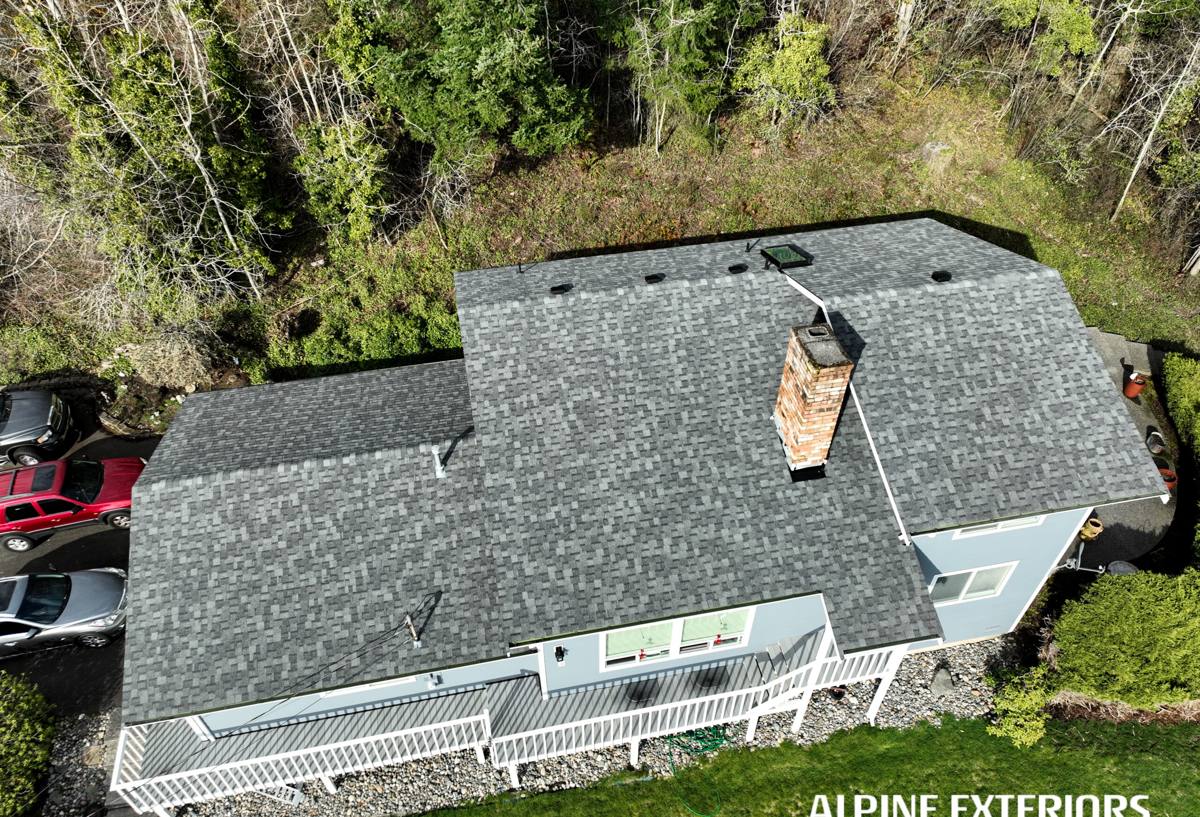
Warning Signs Worth Acting On
Most deck problems we see in this area didn't happen overnight — they built up slowly because the early signs looked minor. Here's what we tell Clear Lake homeowners to check for, ideally before winter and again in early spring:
- Soft, spongy, or bouncy spots when you walk across the decking
- Railings or posts that wiggle more than they used to
- Dark staining or a persistent damp smell near the ledger board where the deck attaches to the house
- Green or black film building up on boards even after cleaning — a sign moisture isn't draining or drying properly
- Nail heads popping up, or screws that spin freely without biting
- Gaps opening between boards, or boards cupping (edges higher than the center)
- Visible daylight or rust streaking around metal connectors, joist hangers, or flashing
Any one of these on its own might be minor. Two or three together, especially near the ledger or stairs, usually means it's time for a closer look before the next wet season makes it worse.
What a Correct Deck Repair Actually Involves
A repair that just replaces the boards you can see and calls it done is a repair that's going to fail again in a year or two. Doing it right means checking — and often rebuilding — what's underneath.
Ledger Board and Flashing
The ledger is the board that bolts the deck to the house, and it's the single most common failure point on decks in wet climates like ours. If flashing behind the ledger is missing, damaged, or was never properly installed, water gets channeled straight into the house band joist and the ledger itself. We check flashing condition on every repair that touches the deck's connection to the structure, and we won't reattach a deck to a ledger that's still letting water in behind it — that just hides the problem for another season.
Framing and Joists
Once decking boards come off, we look at the joists, beams, and any structural connectors for soft wood, rust, or undersized hardware. Rot in a joist doesn't always show from below; sometimes the top edge under the decking is the part that's compromised while the underside still looks fine from the ground. Any joist with significant rot gets sistered or replaced — not painted over or wrapped.
Decking, Railing, and Fasteners
Surface-level work — replacing individual boards, tightening or rebuilding railings, and swapping corroded fasteners — is the part homeowners usually notice, but it only holds up long-term if the framing underneath it is sound. We also pay attention to spacing between boards; too tight and there's nowhere for water to drain and dry, too loose and it's a trip hazard and looks sloppy.
Repair vs. Replace: How We Make the Call
Not every deck problem needs a full rebuild, and not every deck is worth saving as-is. We walk through a few factors with the homeowner before recommending either path:
| Factor | Leans toward Repair | Leans toward Replace |
|---|---|---|
| Age of deck | Under 15 years, built to a reasonable standard | Original construction is old or undersized by current framing practice |
| Extent of rot | Isolated to a few boards or one section | Rot found at the ledger, multiple joists, or main support posts |
| Railing condition | Solid connections, just needs boards or hardware | Posts loose at the base or railing doesn't meet current safety spacing |
| Drainage/flashing | Flashing intact, water is draining properly | No flashing was ever installed, or it's failed throughout |
| Overall footprint | Homeowner is happy with size and layout | Homeowner wants a different size, shape, or added features |
Cost is part of this conversation too, but honestly, less than people expect. Spot repairs — a handful of boards, some fasteners, a railing section — often run in the low hundreds to low thousands of dollars. Ledger reflashing or partial framing repair costs more because of the labor to remove decking and access the structure. A full deck rebuild is its own project with its own pricing, and we'll always tell you plainly when a repair budget is approaching rebuild territory rather than let a deck get patched three separate times.
Our Process, Start to Finish
- Walk-through and assessment. We inspect the visible decking, then check underneath and at the ledger — not just the spot you called about, since deck problems often extend further than what's visible from above.
- Honest scope and estimate. You get a clear breakdown of what needs to be replaced structurally versus what's cosmetic, and a straightforward price — no vague allowances that turn into surprise add-ons later.
- Removal and structural repair. Damaged decking comes up, compromised framing gets sistered or replaced, and any missing or failed flashing gets corrected at the ledger.
- Decking, railing, and fastener work. New boards and hardware go in with proper spacing and fastening for drainage and long-term hold.
- Final check and cleanup. We walk the finished deck with you, point out anything worth watching, and clear the site.
Material Choices for Our Climate
Homeowners often ask whether to repair with the same material or switch when a section needs replacing. There's no single right answer — it depends on the rest of the deck and what you want long-term.
- Pressure-treated lumber is affordable and blends with most existing decks, but it needs regular sealing or staining to perform well through our wet season, and it's more prone to checking and cupping if that maintenance slips.
- Cedar has natural resistance to rot and looks good, but it's a softer wood and costs more, and it still needs periodic finish maintenance to hold its color and shed water well.
- Composite decking resists rot and doesn't need staining, which is appealing given how long our moss season runs. The trade-offs are a higher upfront cost and the fact that composite still needs a properly built, well-ventilated frame underneath — it doesn't fix bad framing, it just hides it for a while, which is exactly the kind of shortcut we won't take on a repair.
Whatever material a deck is built from, the framing and flashing underneath matter more to how long a repair lasts than the decking surface does. We'll give you a straight opinion on what fits your deck and your budget rather than pushing whatever's easiest for us to install.
Why Local Experience in Clear Lake Matters
A deck repair crew that works around Mount Vernon and Clear Lake regularly has already seen how this specific climate ages decking, ledgers, and fasteners over multiple seasons — not just how a deck looks the day it's finished. That matters for judgment calls: how much flashing overlap is enough given how much rain we actually get, which fastener coatings hold up against the damp here, and how much drainage gap a board needs so it isn't growing moss again by the following winter. Crews unfamiliar with this area sometimes build to a generic standard that works fine somewhere drier and fails here within a couple of seasons.
It also means we're not guessing at permitting or typical construction in this part of Skagit County — we know what a sound deck built for this area actually looks like from the ground up, and we build repairs to that standard, not just to pass a quick visual check.
Keeping a Repaired Deck in Good Shape
A properly done repair should last for years, but a little seasonal attention goes a long way given how much moisture this area sees:
| Task | When | Why it matters here |
|---|---|---|
| Clear debris from between boards | Fall and again after leaf drop | Trapped organic matter holds moisture and feeds moss and rot |
| Scrub moss and algae film | Late winter / early spring | Moss holds water against the wood and makes boards slick and dangerous |
| Check railing and post connections | Once a year | Freeze-thaw and constant damp can loosen hardware over time |
| Reseal or restain wood decking | Every 1-3 years depending on exposure | Protective finish is what keeps rain from soaking into the wood grain |
| Inspect ledger and flashing area | Every couple of years | Catching a small flashing gap early avoids a full ledger repair later |
None of this requires a professional visit every time — most of it is a weekend task with a stiff brush and some attention to detail. But if you notice any of the warning signs mentioned earlier between these routine checks, it's worth having someone look before the next rainy stretch does more damage.
Get a Straight Answer on Your Deck
If your Clear Lake deck has soft spots, a shaky railing, or staining near the house where it attaches, it's worth having someone take a real look underneath rather than guessing from the surface. We'll give you an honest assessment of what's actually going on, what it'll take to fix it right, and whether repair or replacement makes more sense for your situation — no pressure, no inflated scope. Reach out for a free estimate using the form below.