 Mount Vernon
 Asphalt Shingle Roofing Built for Edison's Climate
Edison sits close enough to the water that homes here deal with a different set of roofing problems than houses further inland in Skagit County. Salt-laden air off Samish and Padilla Bay works on exposed fasteners and metal flashing year-round. Driving rain off the water doesn't just fall straight down here, it comes in sideways during winter storms, testing every lap and seal on a roof. And the long, wet, shaded stretches common to this part of the valley give moss and moisture months to sit on a roof surface before a dry spell ever shows up to dry things out. An asphalt shingle roof that's installed correctly can handle all of that for decades. One that's installed with shortcuts will show problems in Edison faster than it would in a drier part of the state.
This page covers what a correctly installed asphalt shingle roof needs to hold up in Edison specifically, what our process looks like, and why local experience matters more here than the shingle brand on the wrapper.
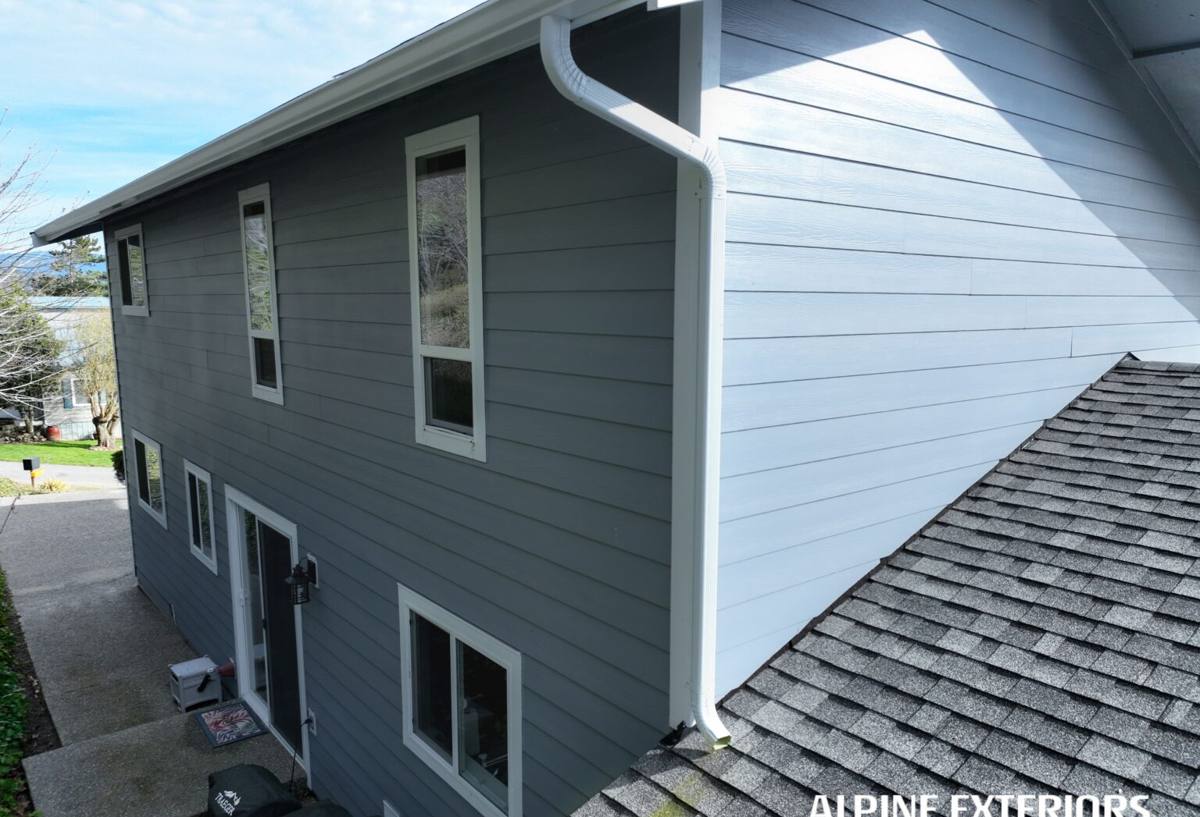
What Edison Homes Need From a Roof
Salt Air and Metal Components
Salt air accelerates corrosion on anything metal that isn't properly rated or protected. Nails, flashing, and roof vents that aren't suited for coastal exposure can start rusting years before they should, and once a fastener corrodes, it loses its grip and its seal at the same time. In Edison we spec corrosion-resistant fasteners and flashing as standard, not as an upsell, because the alternative is a roof that ages faster than the shingles on it.
Wind-Driven, Sideways Rain
A shingle roof doesn't rely on gravity alone to keep water out. It relies on overlapping courses, proper nailing patterns, and underlayment doing its job at every seam, valley, and penetration. When rain is being pushed sideways by wind, water can work its way up and under shingles that are laid loose, under-nailed, or missing proper ice-and-water membrane at vulnerable points. Valleys, roof-to-wall transitions, and anywhere a chimney or vent pipe breaks the roof plane are where wind-driven rain finds the weak spots first.
Moss and Sustained Moisture
Shaded roof sections and north-facing slopes in Edison can stay damp for weeks at a time during the wet months. That moisture holds organic debris, and moss takes root in it. Moss isn't just cosmetic — as it grows it lifts shingle edges, holds water against the roof deck, and can shorten the life of an otherwise sound roof by years. Proper installation with algae-resistant shingles, adequate attic ventilation to reduce condensation from below, and a roof design that sheds debris rather than trapping it all reduce how much moss gets a foothold in the first place.
What a Correct Asphalt Shingle Job Actually Involves
A roof is a system, not a single layer of shingles nailed to plywood. Skipping or shortcutting any one part of that system is usually where problems start, especially in a climate like Skagit County's.
- Deck inspection and repair — soft, rotted, or delaminated decking gets replaced before anything new goes down, not covered up
- Ice-and-water shield at eaves, valleys, and any roof penetration where wind-driven rain is most likely to find a gap
- Synthetic underlayment across the full roof deck as the secondary water barrier beneath the shingles
- Proper flashing at chimneys, skylights, sidewalls, and any place two roof planes or a roof and a wall meet
- Corrosion-resistant fasteners nailed at the manufacturer's specified pattern and count, not gunned in fast to save time
- Balanced attic ventilation — intake at the eaves, exhaust at the ridge — to control the moisture and heat that shorten shingle life from underneath
- Algae-resistant shingle selection where moss and staining are a known regional issue
Every one of these steps is invisible once the job is done. That's exactly why it matters who's doing the work — a roof that looks fine from the driveway can still be missing half of this list underneath.
Our Process for an Edison Roofing Project
1. On-Site Assessment
We walk the roof and the attic, not just one or the other. Attic conditions tell us as much about a roof's real health as the shingle surface does — signs of moisture, poor ventilation, or past leaks show up there first.
2. Honest Scope and Estimate
We'll tell you plainly whether you're looking at a full replacement, a partial re-roof, or repairs, and why. If a roof has years of service life left, we're not going to talk you into replacing it early.
3. Material Selection
We walk through shingle class, wind rating, and algae resistance options based on your roof's exposure — a shaded, north-facing section of roof in Edison has different needs than a sun-exposed south slope on the same house.
4. Installation
Deck repair, underlayment, flashing, and shingle installation done in the order and to the spec outlined above — no skipped steps, no shortcuts because the weather window is tight.
5. Cleanup and Walkthrough
Job site cleaned, magnetic sweep for stray fasteners, and a walkthrough so you know what was done and what to watch for going forward.
Cost Factors on an Edison Roofing Project
Every roof is priced on its own specifics, but the factors that move the number up or down are consistent. Rather than quote a number that won't reflect your actual roof, here's what actually drives cost:
| Factor | Why It Matters |
|---|---|
| Roof size and pitch | More surface area and steeper pitches mean more material and more labor time and safety setup |
| Deck condition | Rotted or soft decking found during tear-off adds repair cost that can't be known until the old roof is off |
| Number of penetrations | Chimneys, skylights, and vents each need individual flashing work, which adds labor |
| Shingle class chosen | Standard three-tab, architectural, and higher-wind-rated impact shingles carry different material costs |
| Ventilation upgrades | Adding or correcting intake and exhaust ventilation is often worth doing during a re-roof and adds modest cost |
| Tear-off layers | Removing multiple layers of old roofing takes more labor than a single-layer tear-off |
We break all of this down in writing before work starts, so there are no surprises once the old roof comes off.
Why Local Experience in Edison Matters
A crew that already works this specific stretch of Skagit County knows which roof sections tend to hold moisture longest, which fastener and flashing specs actually hold up against salt air over the long run, and how wind off the water behaves differently than wind further inland. That's not something a general roofing crew from outside the area picks up on the first job. It comes from doing the work here repeatedly and seeing how roofs in Edison actually age, not just how they look the day the crew leaves.
It also means we're not guessing at permitting, disposal, or scheduling around the wetter months — we already know how a Skagit County winter affects a roofing timeline and plan around it instead of getting caught by it.
Maintenance That Extends Roof Life Here
An asphalt shingle roof in Edison benefits from a bit more attention than the same roof would need in a drier climate. A few habits go a long way:
- Clear moss buildup before it spreads, especially on shaded and north-facing sections
- Keep gutters and downspouts clear so water isn't backing up under the eaves
- Trim back overhanging branches that keep roof sections shaded and damp longer than they need to be
- Have flashing and penetrations checked periodically, since these are the first places wind-driven rain finds a way in
- Address small leaks or lifted shingles promptly rather than waiting for a bigger repair
None of this replaces a correctly installed roof, but it does stretch the life you get out of one.
Signs Your Edison Roof Needs Attention
A few warning signs tend to show up before a roof failure gets serious, and catching them early keeps a repair from turning into a full replacement:
- Granules collecting in gutters or at downspout outlets
- Shingles that are curling, cracking, or missing after a windstorm
- Dark streaking or thick moss growth across shaded sections
- Daylight visible through the attic roof deck
- Water stains on interior ceilings, especially near chimneys or valleys
If you're seeing any of these, it's worth having the roof looked at before the next round of winter storms.
If you're in Edison or elsewhere around Mount Vernon and want an honest look at what your roof actually needs, we're happy to come take a look. There's no pressure and no obligation — just a straight assessment and a written estimate you can use to make the call. Fill out the form below to get started.