 Mount Vernon
 Windows in Avon Take a Different Kind of Beating
Avon sits low in the Skagit River delta, close enough to the saltwater of Puget Sound that homes here deal with a mix most inland Skagit County properties don't: salty, moisture-laden air moving in off the water, near-constant winter rain, and long stretches of overcast, damp weather that keep everything — siding, trim, and window frames alike — wet longer than it should be. Add in Skagit Valley's extended moss and algae season, and you've got a climate that finds every weak point in a window installation within a few years, not a few decades.
That combination matters more for windows than most homeowners realize. A window opening is the single biggest interruption in your home's weather barrier. Get the flashing, sealant, and drainage details wrong, and salt-laden moisture doesn't just sit on the surface — it works into the wall cavity, framing, and sheathing around the window, where it can sit for months before anyone notices a soft spot or a musty smell. In a climate this wet, "good enough" installation work shows its flaws fast.
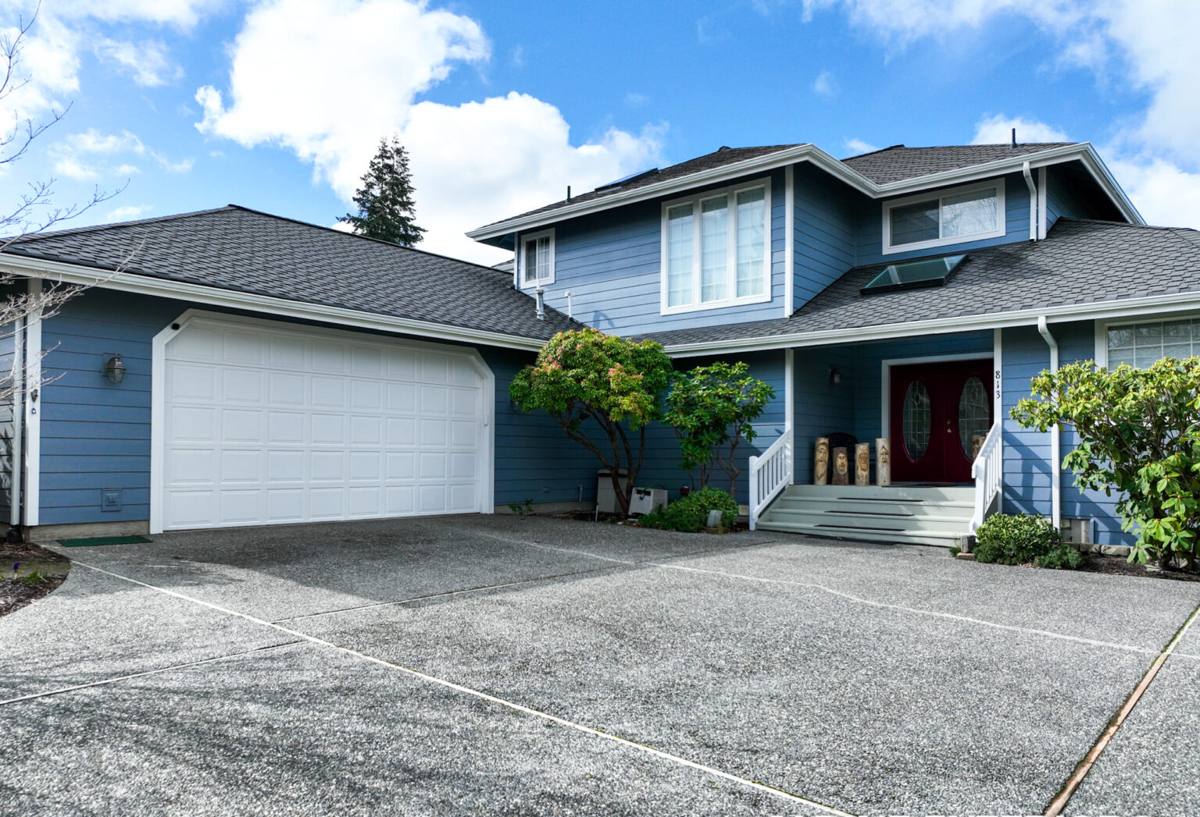
What Correct Window Installation Actually Involves Here
Setting a window is straightforward in theory: remove the old unit, set the new one, trim it out. The part that actually determines whether the window performs for the next 20-plus years happens in the details most homeowners never see.
Flashing and Weather Barrier Integration
Every window needs a sill pan and properly lapped flashing tape that ties into the house wrap or weather-resistant barrier already on the wall. In a driving-rain climate like ours, water doesn't just fall straight down — it gets pushed sideways and even upward by wind off the flats. Flashing has to be sequenced so water sheds outward at every layer, with the sill pan giving any water that does get past the window a way out instead of a place to pool.
Sealant Placement — Not Just Sealant Quantity
More caulk is not the fix people think it is. Sealing the interior air seal without leaving the exterior weep path open traps moisture inside the wall assembly, which is a common cause of hidden rot in older Skagit County homes. Correct sealing means the right bead in the right place, with drainage gaps left where they belong.
Frame Material and Local Exposure
Salt air accelerates corrosion on hardware, hinges, and some cladding finishes faster than it does further inland. We factor that into frame and hardware recommendations for homes in Avon and other low-lying, water-adjacent parts of the county, not just general Pacific Northwest guidance.
Signs Your Windows Are Overdue for Replacement
Homeowners often live with failing windows longer than they need to because the symptoms show up gradually. Watch for:
- Visible fogging or moisture trapped between panes (failed seal on double-pane glass)
- Soft or discolored wood trim or sill areas around the window frame
- Drafts you can feel with a hand near the frame on a windy day
- Windows that are difficult to open, close, or lock properly
- Moss, algae, or persistent black streaking on the exterior trim or casing
- Rising heating bills without a clear explanation elsewhere in the home
- Visible gaps between the frame and siding or trim
Any one of these on its own isn't necessarily urgent. Several at once, especially combined with soft trim, usually means moisture has already found its way behind the window and it's worth having someone look before it's a bigger repair.
Our Window Installation Process
- On-site assessment. We look at the existing windows, the surrounding siding and trim condition, and how exposed that side of the house is to wind-driven rain.
- Product selection. We walk through frame material, glass package, and options based on your budget and how that wall faces the weather — not a one-size-fits-all recommendation.
- Removal and inspection. Old windows come out carefully so we can check the framing and sheathing underneath for hidden moisture damage before anything new goes in.
- Repair if needed. Any soft framing or sheathing gets addressed before the new window is installed — installing a new window over a damaged opening just hides the problem.
- Flashing and sill pan installation. Sequenced to shed water outward and tie properly into the existing weather barrier.
- Window setting and shimming. Leveled, plumbed, and secured so the unit operates correctly and seals evenly.
- Interior and exterior sealing and trim. Sealed and trimmed with attention to keeping drainage paths open.
- Final walkthrough. We test operation, locks, and seals with you before calling the job done.
Choosing a Window Type for This Climate
There's no universally "best" window — the right choice depends on exposure, budget, and how much upkeep you want to take on. Here's how the common options compare for a home in a wet, salt-influenced setting like Avon:
| Frame Material | Moisture & Salt Air Resistance | Maintenance | Typical Lifespan |
|---|---|---|---|
| Vinyl | Good — won't rot or corrode | Low | 20–30 years |
| Fiberglass | Very good — stable in temperature and moisture swings | Low | 30–40 years |
| Aluminum | Fair — can corrode faster in salt air without a good finish | Low to moderate | 20–30 years |
| Wood | Weakest without diligent upkeep in this climate | High | Varies widely with maintenance |
| Wood-clad (wood interior, vinyl/aluminum exterior) | Good if cladding and flashing details are done right | Moderate | 25–35 years |
For most homes in Avon, we lean toward vinyl or fiberglass frames because they hold up to salt air and constant moisture without the upkeep wood-based products demand. That's a standard we apply based on how these materials actually perform in this climate over years of watching them, not a knock on any manufacturer.
What Affects Window Installation Cost Here
Every home is different, but a few factors consistently move the price up or down on jobs in this area:
| Cost Factor | Why It Matters |
|---|---|
| Number and size of windows | More openings and larger units mean more material and labor time |
| Frame material chosen | Vinyl is generally the most budget-friendly; fiberglass and wood-clad cost more upfront |
| Condition of existing framing | Hidden rot or water damage found during removal adds repair time before the new window goes in |
| Glass package | Double-pane vs. triple-pane, and low-E or gas-fill upgrades, change both cost and performance |
| Wall exposure | Sides of the house facing prevailing wind and rain sometimes warrant extra flashing detail |
| New construction vs. retrofit | Full-frame replacement (tearing back to the studs) costs more than an insert replacement but is sometimes the right call on older homes |
We give straight, itemized numbers before any work starts, and we'll tell you plainly if a cheaper insert replacement is fine for your situation or if the framing really needs a full-frame approach.
Why Local Experience in Avon Actually Matters
A window crew that only occasionally works this far into the Skagit flats doesn't always account for how differently a low-lying, water-adjacent property behaves compared to a home up on higher, drier ground closer to Mount Vernon proper. We work in Avon regularly, which means we already know:
- Which sides of homes here typically take the worst wind-driven rain
- How fast moss and algae build up on north- and west-facing trim in this specific area
- What condition to expect from older single-pane or early double-pane windows common in the area's housing stock
- How local permitting and code requirements apply to window replacement projects in Skagit County
That local pattern recognition shortens the guesswork — we're not learning how this climate treats a house while your project is underway.
Windows Don't Work in Isolation From Your Siding
As a siding contractor first, we look at window installation as part of the whole exterior weather envelope, not a standalone task. The flashing at a window has to integrate correctly with the siding around it, or you end up with a technically fine window sitting in a wall that still leaks at the edges. If your siding is older, damaged, or due for replacement anyway, doing window and siding work together lets us tie the flashing and weather barrier into one continuous system instead of patching two separate projects together later. It's also often more cost-effective than tackling them as two disconnected jobs down the road.
Get a Straight Answer on Your Windows
If you're dealing with drafts, fogged glass, soft trim, or windows that just feel like they're past their working life, we're happy to take a look and give you an honest read on what's actually needed — replacement, repair, or nothing urgent at all. Reach out for a free, no-pressure estimate using the form below.