 Mount Vernon
 Metal Roofing in West Mount Vernon: Built for This Specific Stretch of Skagit County
West Mount Vernon sits close enough to Skagit Bay and the broader Puget Sound basin that marine air, wind-driven rain, and a long wet season all show up on a roof's surface long before they show up anywhere else on the house. A metal roof installed here has to be chosen and detailed differently than one going up in a drier inland climate. We've worked on homes throughout this part of Mount Vernon long enough to know which details matter and which ones are just extra cost with no payoff. This page covers what a correctly built metal roof looks like for this neighborhood, what it should cost, and how we approach the work from tear-off to final inspection.
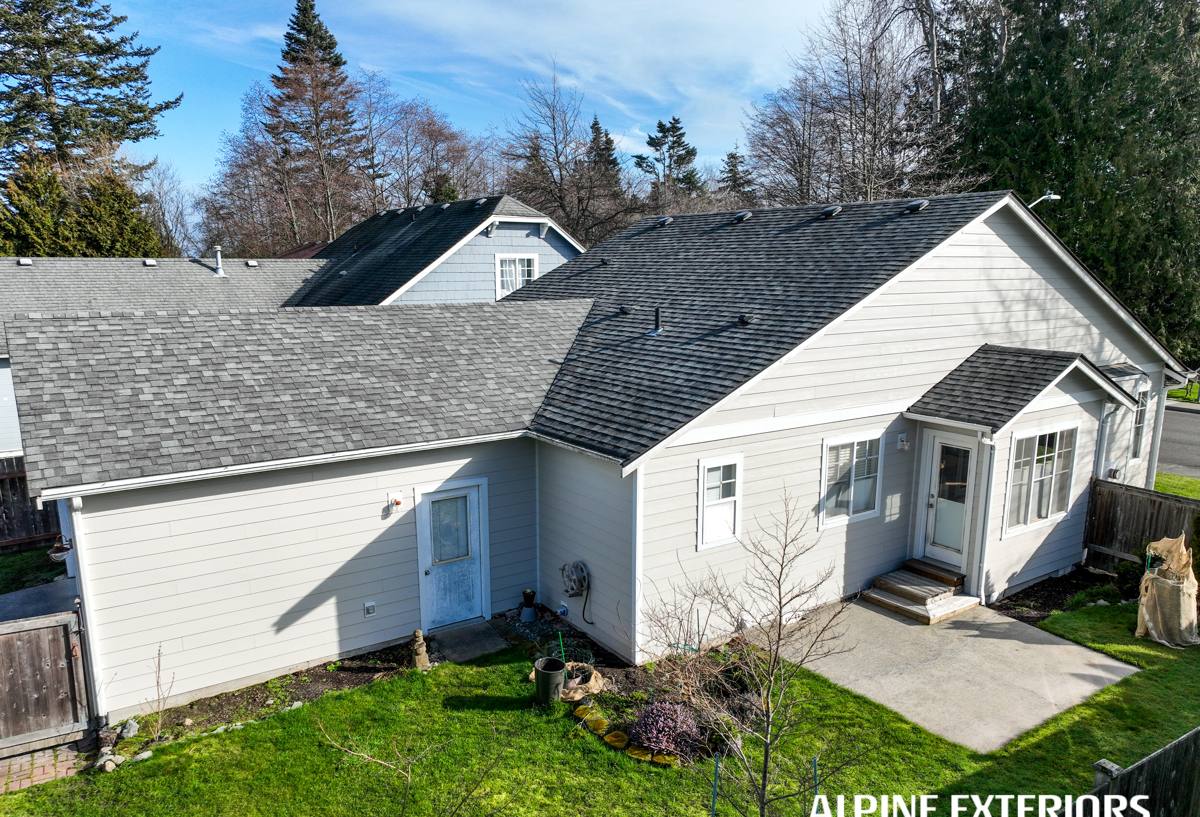
What a West Mount Vernon Roof Is Actually Up Against
Skagit County's climate is mild by national standards, but "mild" doesn't mean easy on a roof. Three conditions do most of the damage over time, and they compound each other.
Salt Air and Slow Corrosion
Even homes several miles inland from open water pick up salt-laden marine air pushing in off Puget Sound and the Skagit River delta, especially during winter storm systems. Salt accelerates corrosion on any exposed metal — fasteners, flashing, panel edges, and cut ends where the protective coating has been compromised. It's slow, so it's easy to ignore for years, but it's also why we treat coating quality and fastener metallurgy as non-negotiable rather than upgrades.
Driving, Wind-Blown Rain
Rain here rarely falls straight down. Storms moving through the valley push water sideways under eaves, into laps, and up under flashing that was only designed to shed water moving downhill. A metal roof that would perform fine somewhere with calmer weather can leak here if the laps, underlayment, and flashing details weren't built with wind-driven rain specifically in mind.
Moss, Shade, and a Long Wet Season
Mature tree cover is common in older Mount Vernon neighborhoods, and shaded, damp roof sections stay wet for days after a storm passes. That's exactly what moss and algae need to take hold. On asphalt shingles, moss works its way under the tabs and lifts them. On a properly installed metal roof it has far less to grip onto, but valleys, panel-to-panel seams, and anywhere debris collects can still hold enough moisture to get moss started if the roof design doesn't account for drainage and airflow.
What a Correct Metal Roof Installation Actually Requires
"Metal roofing" covers a wide range of quality. A roof that looks right from the ground can still be built wrong underneath. These are the details we won't skip.
Panel Profile and Material Gauge
Thicker gauge steel or aluminum resists denting, oil-canning (that wavy, rippled look on flat panel faces), and long-term fatigue better than thin, budget-grade panels. The right gauge depends on the panel profile and roof pitch, not a one-size answer — we spec it per job rather than defaulting to whatever's cheapest.
Fasteners and Flashing That Match the Panel
Mismatched metals cause galvanic corrosion — a reaction between dissimilar metals that eats away at whichever one is less noble, often the fastener. Every screw, clip, and flashing piece on a correctly built roof is matched to the panel material so this doesn't happen quietly over the next decade. This detail alone is one of the most common corners cut on lower-bid metal roof jobs.
Underlayment and Ventilation
A synthetic, high-temperature underlayment beneath the panels gives you a second line of defense if wind-driven rain ever gets past a seam, and it protects the deck during installation. Proper ridge and soffit ventilation keeps moisture from condensing on the underside of the panels — a problem that shows up as rust from the inside out, which is much harder to catch early than surface corrosion.
Comparing Metal Roofing Panel Types
Not every metal roofing system fits every home or budget. Here's how the common options compare for a climate like ours.
| Panel Type | Typical Lifespan | Moisture & Salt Air Performance | Best Fit |
|---|---|---|---|
| Standing seam (concealed fastener) | 40-60+ years | Excellent — no exposed fastener heads to corrode or back out | Homes prioritizing longevity and low maintenance |
| Exposed-fastener panel | 25-40 years | Good if fasteners are matched and re-torqued/replaced as needed over time | Budget-conscious projects, outbuildings, additions |
| Stone-coated steel | 40-50 years | Very good — coating protects against both UV and moisture | Homeowners wanting a shingle or shake profile in metal |
| Standard aluminum panel | 40-60 years | Excellent — naturally corrosion-resistant, good choice this close to marine air | Coastal-adjacent homes prioritizing corrosion resistance over lowest cost |
Exposed-fastener systems aren't a bad choice outright — they're a legitimate, lower-cost option for the right project. The trade-off is simply that exposed screws are a maintenance item over the life of the roof, and in a climate that sees this much wind-driven rain and salt air, that maintenance schedule matters more than it would somewhere drier.
How Our Metal Roofing Process Works
- On-site assessment: We look at the existing roof deck, ventilation, tree cover, and drainage patterns specific to your property before recommending a panel type or profile.
- Tear-off and deck inspection: Old roofing comes off and we check the deck underneath for soft spots, past water damage, or inadequate ventilation before anything new goes down.
- Underlayment installation: A synthetic underlayment goes down as the roof's second line of defense, with extra attention at valleys, eaves, and any wall-to-roof transitions.
- Flashing and edge detail work: Flashing is fabricated and installed at every penetration, valley, and edge — this is where most metal roof leaks actually originate, not in the field of the panels themselves.
- Panel installation: Panels go on with fasteners and clips matched to the material, following manufacturer spacing and fastening patterns rather than shortcuts.
- Ventilation check and final walkthrough: We confirm ridge and soffit ventilation is functioning and walk the finished roof with you before calling the job done.
What Drives the Cost of a Metal Roof Here
| Cost Factor | Why It Matters in This Area |
|---|---|
| Roof pitch and complexity | Steeper or more cut-up rooflines take more labor and more flashing detail, especially with multiple valleys |
| Panel material and gauge | Aluminum and heavier-gauge steel cost more upfront but hold up better against salt air and impact |
| Panel profile | Standing seam runs higher than exposed-fastener panels but needs far less long-term maintenance |
| Tear-off and deck repair | Homes with past moisture damage or inadequate ventilation may need deck work before panels go on |
| Access and tree cover | Mature trees common in this neighborhood can add setup time and require extra care around landscaping |
Rough budgeting for metal roofing generally runs from the mid-to-upper end of roofing options — well above a basic asphalt re-roof, but with a service life that's often two to three times as long. We'll give you real numbers for your specific roof rather than a generic per-square-foot figure, since pitch, access, and material choice move the price more than square footage alone.
Keeping a Metal Roof Performing Through Skagit County's Wet Season
Metal roofing is genuinely low-maintenance compared to shingles, but "low-maintenance" isn't "no-maintenance," especially with this much moss pressure and rainfall.
- Clear debris and needles out of valleys once or twice a year, especially under mature trees
- Check and clear gutters before the fall rains ramp up so water isn't backing up under the eave
- Watch for moss starting in shaded valleys or where debris collects, and remove it before it spreads
- Have exposed fasteners inspected periodically if your roof uses an exposed-fastener panel system
- After major windstorms, do a visual check for lifted flashing or displaced panels
- Keep tree branches trimmed back from the roofline to reduce shade, debris, and physical contact damage
Why It Matters to Hire a Crew That Already Works This Neighborhood
A metal roof installed by someone unfamiliar with this specific climate can still fail early — not because the material is bad, but because the details that matter here (fastener matching, flashing at wind-driven rain angles, ventilation sized for our humidity levels) get treated as optional. Working regularly in Mount Vernon and throughout Skagit County means we're not guessing at how a roof will hold up through a wet Pacific Northwest winter — we've seen how these systems age here and we build accordingly from the first flashing detail to the last panel.
If you're weighing metal roofing for a home in West Mount Vernon, we're happy to walk your roof, talk through honest options for your budget, and give you a straightforward estimate — no pressure, no upsell. Use the form below to get started.