 Mount Vernon
 Why Sedro-Woolley Roofs Wear Differently Than Roofs Inland
Sedro-Woolley sits at the edge of the Skagit Valley, close enough to the Sound to pick up salt-laden air on a west wind and close enough to the foothills to catch heavier, longer rain events than towns further out on the flats. That combination is hard on a roof. Salt air accelerates corrosion on fasteners, flashing, and any exposed metal. Driving rain — the kind that comes in sideways during a fall or winter storm — finds every weak lap, every under-nailed shingle, and every flashing detail that was installed as an afterthought instead of a first priority. And because this part of Skagit County stays damp and shaded for long stretches of the year, moss and moss-related decay show up faster here than they do in drier climates.
None of that means a roof in Sedro-Woolley can't last as long as one anywhere else. It means the installation has to account for those conditions from the start, rather than relying on a standard package that was designed for a drier region.
Moss, Moisture, and the Skagit Valley Microclimate
Moss needs three things to take hold on a roof: shade, moisture, and something to grip onto — usually a rough shingle surface or a spot where debris collects. Sedro-Woolley has all three in abundance for a good chunk of the year. Once moss establishes itself, it holds water against the roofing material far longer than open rain ever would, which is what actually causes the damage — not the moss itself, but the constant dampness underneath it. A correctly installed roof won't be immune to moss forming on the surface over time, but it should be built so that trapped moisture doesn't reach the deck, and so the roof can be cleaned and maintained without disturbing the material underneath.
What a Correct New Roof Installation Actually Involves
A new roof is more than shingles nailed to a deck. Most of what determines whether a roof performs well in this climate over the next 20-30 years happens in the layers homeowners never see once the job is finished.
Tear-Off and Deck Inspection
We remove the old roofing down to the deck rather than layering over it. That lets us actually see the plywood or plank sheathing underneath and replace any sections that have gone soft from years of trapped moisture — a common find on older Sedro-Woolley homes, especially around chimneys, skylights, and low-slope sections where water has historically been slow to drain.
Underlayment and Water Protection
Given how much rain this area sees, we don't treat underlayment as a formality. Self-adhering ice-and-water barrier goes in the vulnerable spots — eaves, valleys, around penetrations — with synthetic underlayment across the rest of the deck. This is the layer that protects your home if wind ever drives rain up under a shingle tab, which happens more here than it does in calmer inland areas.
Flashing Details
Flashing failures, not worn-out shingles, are the most common reason a roof leaks before it should. Chimneys, skylights, sidewall intersections, and roof-to-wall transitions all need properly formed and correctly lapped metal flashing, not just a bead of sealant. Sealant fails; well-formed flashing doesn't depend on it to stay watertight.
Ventilation
A roof that isn't ventilated correctly traps heat and moisture in the attic, which shortens shingle life from underneath and can contribute to moss and mold issues that have nothing to do with the roofing surface itself. Balanced intake and exhaust ventilation is part of a correct installation, not an upgrade.
Choosing a Roofing Material for a Sedro-Woolley Home
There's no single "best" roofing material — the right choice depends on your home's roof pitch, your budget, and how much long-term maintenance you're willing to do. Here's how the common options compare for this climate specifically.
| Material | Typical Lifespan | Moss/Moisture Behavior | Relative Cost |
|---|---|---|---|
| Asphalt composition shingle (architectural) | 25-30 years | Good with proper ventilation and periodic cleaning; textured surface can hold debris if gutters and valleys aren't kept clear | Moderate |
| Asphalt composition shingle (3-tab) | 15-20 years | Similar moisture behavior to architectural, thinner profile wears faster under repeated wet-dry cycles | Lower |
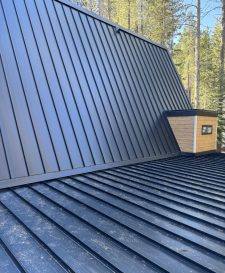
| Standing seam metal | 40-50+ years | Smooth surface sheds water and debris well, resists moss better than any shingle; fasteners and cut edges need corrosion-resistant coatings near salt air | Higher |
| Synthetic/composite shingle | 30-50 years | Non-organic material resists moisture absorption and rot better than wood-look products; installation quality matters more than with standard asphalt | Higher |
We install asphalt and metal roofing systems and can walk through the honest trade-offs of each for your specific roof — pitch, sun exposure, tree cover, and how much upkeep you actually want to do matter more than brand names.
Our Installation Process, Start to Finish
- On-site inspection and estimate. We walk the roof, check the attic if accessible, and note anything — soft decking, past leak staining, ventilation gaps — that affects scope or price before we quote it.
- Written scope of work. You get a clear breakdown of materials, layers, flashing work, and ventilation changes, so there's no guessing what's included.
- Permitting. We handle the permit process required for full roof replacement in Skagit County so you don't have to track it down yourself.
- Tear-off and deck repair. Old roofing comes off, the deck gets inspected, and any damaged sheathing is replaced before anything new goes down.
- Underlayment, flashing, and ventilation installed. This is the stage that determines how the roof performs in wind-driven rain, not just how it looks.
- Final roofing material installed to manufacturer specification, since improper installation is the fastest way to void a material warranty.
- Cleanup and final walkthrough. Magnetic sweep for stray nails, debris hauled off, and a walkthrough so you know what was done and what to watch for going forward.
Common Roofing Problems We See on Sedro-Woolley Homes
Certain issues show up again and again on roofs in this area, and most trace back to the climate rather than bad luck:
- Moss buildup in shaded, north-facing roof sections that stay damp longer after storms
- Clogged valleys and gutters from fir and cedar needle drop, which backs water up under shingle edges
- Corroded or failing flashing around chimneys and skylights, often years before the shingles themselves are due
- Soft or delaminated decking discovered only during tear-off, usually from a slow leak that was never visible from inside the attic
- Algae staining on north-facing slopes, which is a cosmetic issue but often mistaken for structural moss damage
Signs Your Sedro-Woolley Roof May Be Due for Replacement
- Shingles that are cupping, curling, or losing granules in visible patches
- Daylight visible through the attic roof deck, or damp insulation after a storm
- Repeated leaks in the same spot despite past patch repairs
- Moss growth that returns heavily within a season of being cleaned off
- Roof is at or past the manufacturer's expected lifespan for its material and your home hasn't had a full replacement in that time
- Visible sagging along the roofline, which can indicate deck or structural issues beneath the surface
Why a Crew That Already Works Sedro-Woolley Matters
Roofing crews that split time across a wide territory don't always build a working sense of how a specific area behaves — which roof lines catch the worst of the wind, which older homes tend to have deck issues under the surface, or how long a weather window realistically lasts here before rain moves back in. A crew based in Mount Vernon and working Sedro-Woolley regularly already knows the Skagit County permitting process, has a feel for the housing stock in the area, and isn't learning the local climate on your roof for the first time. That familiarity shows up in fewer surprises mid-job and a tear-off schedule that accounts for how quickly weather can turn here.
Cost Factors for a New Roof Installation
Every roof is priced individually, but the same handful of factors drive most of the difference between one job and the next:
| Factor | Why It Matters |
|---|---|
| Roof size and number of facets | More square footage and more valleys/hips mean more material and labor, plus more flashing detail work |
| Roof pitch and access | Steep or hard-to-access roofs take longer and require more safety setup |
| Number of existing layers to remove | Multiple layers of old roofing add tear-off time and disposal cost |
| Deck condition | Rot or soft sheathing found during tear-off requires repair before new material goes down |
| Material selected | Asphalt, metal, and composite systems carry different material and labor costs |
| Ventilation and flashing scope | Bringing older ventilation or flashing up to a correct standard adds work but reduces future problems |
If your roof is showing wear, has an active leak, or you're just planning ahead, we're happy to take a look and give you a straightforward, no-pressure estimate — fill out the form below and we'll get back to you.