 Mount Vernon
 Riverside Homes Take a Different Kind of Beating
Riverside sits in a stretch of Skagit County where the weather doesn't do siding any favors. Homes here deal with a steady mix of marine-influenced air moving up from Puget Sound, long stretches of driving rain through fall and winter, and shaded, damp corners where moss and algae get a foothold and never really let go. None of that is dramatic on its own, but stacked together, year after year, it's exactly the kind of slow, cumulative exposure that finds every weak seam in a home's exterior.
That's the backdrop for almost every siding repair call we get in this neighborhood. It's rarely one big failure. It's usually a handful of small ones — a cracked board here, a failed caulk joint there, a patch of siding that's stayed damp long enough to start breaking down — that add up to a real problem if they sit unaddressed through another wet season.
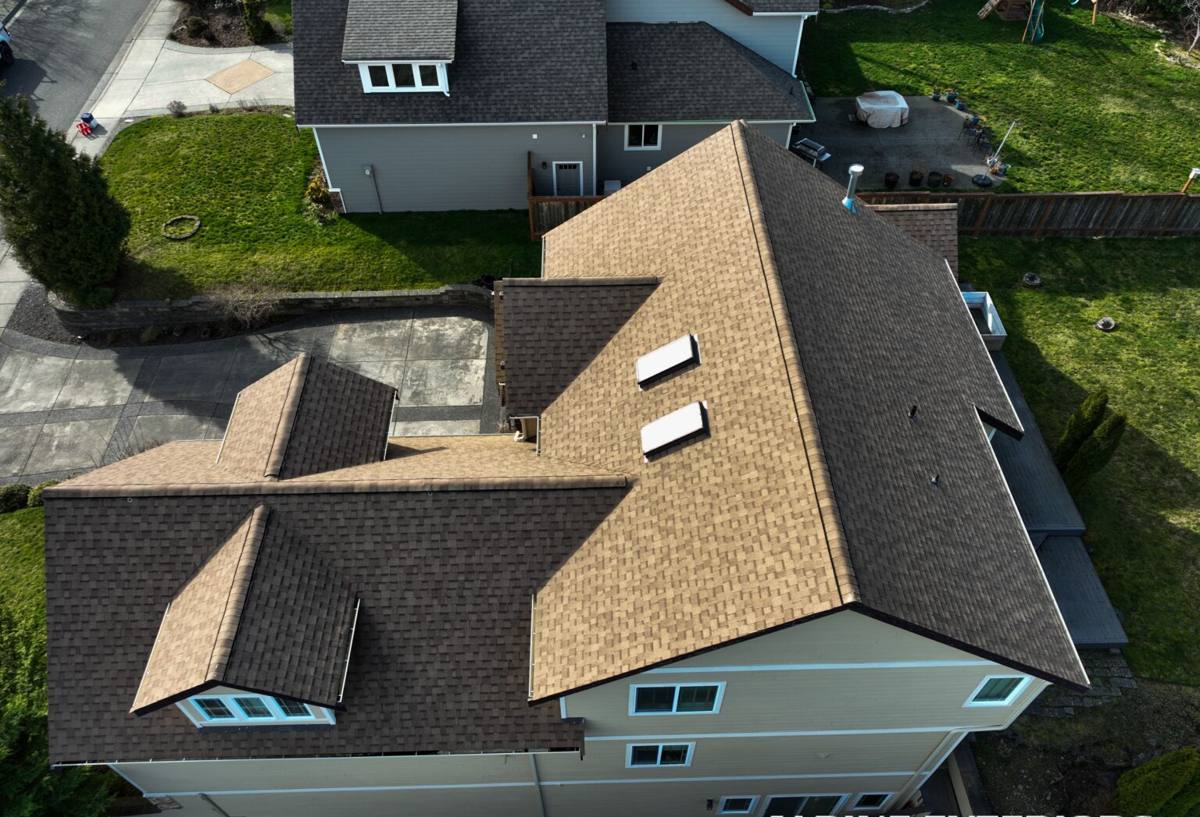
What "Repair" Should Actually Mean
A siding repair isn't just patching what's visible. Done right, it starts with figuring out why that section failed in the first place — because if the underlying cause (usually moisture getting where it shouldn't) isn't fixed, the same spot will fail again in a year or two, and now you're paying for the same repair twice.
The difference between a cosmetic patch and a real repair
A cosmetic patch covers up damage. A real repair traces the water path, checks what's happening behind the siding — house wrap condition, flashing, trim details — and only then replaces the damaged material with something that matches the surrounding wall in profile, reveal, and finish. Skipping that diagnostic step is the single most common reason repairs don't hold up.
Our Riverside Repair Process
The process doesn't change much house to house, because the causes of damage in this area don't change much either. What changes is where the problem shows up and how far it's spread.
1. On-site inspection, not a drive-by estimate
We look at the damaged area up close, but we also check the rest of the wall plane, the trim, and any adjacent penetrations (vents, hose bibs, light fixtures) that are common entry points for water. Damage in one spot is often a symptom of a detail failing somewhere nearby.
2. Moisture and substrate check
Before we replace anything, we confirm whether the sheathing or framing behind the siding has taken on moisture. If it has, the repair scope has to include drying it out and addressing the water path — otherwise new siding goes over a problem that's still active.
3. Matching the repair to the existing wall
Where the existing siding is in generally sound shape, we repair in kind and refinish to match. Where a section has been chronically wet, painted over one too many times, or is simply past the point where patching makes sense, we'll say so plainly and talk through replacing that section with James Hardie fiber cement rather than perpetuating a repeat repair.
4. Sealing and finish work
Caulk joints, trim transitions, and paint or factory finish matching get the same attention as the structural fix. A repair that looks patched from the street wasn't finished properly.
What We See Most Often in This Climate
- Moss and algae staining on north-facing and shaded walls, which by itself is cosmetic but signals a wall that stays damp longer than it should.
- Caulk and sealant failure at butt joints, trim, and window transitions — usually the first thing to go, and the easiest to miss until water gets behind it.
- Paint failure and peeling on older painted siding, often years before the siding itself is actually done.
- Soft or swollen material at the bottom edges of siding boards, especially near grade or under downspouts, where water has time to sit.
- Hairline cracking from age, movement, or impact that lets moisture behind the surface even when the board still looks intact from a distance.
Why Repairs Get Done With James Hardie, Not Whatever's on the Wall
When a repair calls for new material, we only install James Hardie fiber cement. That's a standing policy across every job we do, not something specific to Riverside — we don't install vinyl, LP SmartSide, Cemplank, Allura, or primed wood siding, even for a small patch repair.
The reason is straightforward: fiber cement is non-combustible, holds its shape and finish through wet-dry cycling far better than wood-based products, and Hardie's ColorPlus factory finish is warrantied against fading and peeling in a way that field-applied paint isn't. When we patch a wall with Hardie, that section is engineered for the same climate pressures — moisture, freeze-thaw swings, UV — that caused the original damage, rather than just replacing like with like and waiting for it to fail again.
We're not going to tell you every other siding product is a bad product. LP SmartSide and vinyl both have honest use cases and plenty of homes wearing them without issue. What we will say is that after years of doing this work, we stopped installing them ourselves because the trade-offs — moisture sensitivity at cut edges, finish longevity, warranty structure — weren't ones we wanted to be responsible for on the homes we touch. Hardie is what we stand behind.
Matching an existing Hardie wall
If your home is already sided in James Hardie, repairs are more straightforward — we match the existing plank profile, exposure, and ColorPlus color, and the repaired section blends in properly instead of standing out as an obvious patch.
Repair or Replace? A Straight Answer, Not a Sales Pitch
Most homeowners want to know one thing up front: is this worth fixing, or should the whole wall (or house) be redone? Here's the honest breakdown of what tips the decision either way.
| Factor | Leans Toward Repair | Leans Toward Replacement |
|---|---|---|
| Extent of damage | Isolated to one or two boards/areas | Spread across multiple walls or elevations |
| Cause | Impact, isolated caulk failure, one bad detail | Chronic moisture, failed original installation, age-related breakdown |
| Siding material | Existing material is sound and repairable in kind | Existing material is a discontinued or failure-prone product |
| Underlying wall | Sheathing and house wrap test dry and intact | Moisture has already reached the sheathing |
| Cosmetic match | Repaired section can blend with the rest of the wall | Color/profile no longer available, patch will visibly mismatch |
There's no fixed price we can quote in general terms — a single-board repair and a wall section replacement are very different jobs — but we'll always walk you through which column your home falls into before we talk numbers.
Before You Call: A Quick Homeowner Checklist
- Note which side(s) of the house have visible damage — north/shaded walls, wet corners, and areas near downspouts are worth checking closely.
- Look for soft spots by pressing gently on suspect boards — noticeable give is a sign moisture has gotten in.
- Check caulk lines at trim and butt joints for cracking, gaps, or peeling.
- If you know your siding brand or when it was installed, have that ready — it speeds up matching.
- Avoid painting over damaged siding before an inspection — it can hide the extent of the problem from both you and us.
Why a Crew That Already Works Riverside Matters
Siding repair isn't a one-size-fits-all trade. A crew that regularly works this part of Skagit County already knows which wall orientations take the worst of the driving rain, where moss builds up fastest, and what a season of neglect actually looks like on a wall before it becomes a structural problem. That's the difference between a repair that gets diagnosed correctly the first time and one that gets patched and called good.
It also matters for something less obvious: matching. Being familiar with the siding products commonly used in this area — including older Hardie lines and legacy profiles — means a repair crew can source a closer match instead of guessing, so a patched section doesn't stick out for the next ten years.
Ready for a Straight Look at What's Going On?
If you've got a section of siding in Riverside that's cracked, staining, or just not holding up the way it used to, we're happy to come take a look and tell you plainly what's causing it and what it'll take to fix — no pressure, no upsell. Use the form below to request a free estimate.