 Mount Vernon
 Roof Replacement Built for Little Mountain's Conditions
Little Mountain sits close enough to the Skagit River delta and Puget Sound air currents that homes here take a different kind of weathering than roofs just a few miles inland. You get a mix of salt-tinged marine air, long stretches of driving rain off the water, and shaded, tree-lined lots that hold moisture and grow moss year-round. A roof replacement here isn't just "put new shingles on" — it's about choosing materials and details that hold up to that specific combination, not a generic package that works fine in a drier climate but struggles on the north-facing slopes and shaded eaves common around Little Mountain.
We work Little Mountain regularly, which means we already know which parts of the neighborhood get heavier moss growth, which lots see more wind-driven rain, and which roof lines tend to fail first because of it. That local pattern recognition changes how we spec a job — underlayment choice, ventilation, flashing details, and even the recommended replacement timeline.
Why Skagit County Weather Shortens Roof Life
Salt Air and Metal Fatigue
Proximity to Puget Sound means a low but steady level of salt in the air. Over years, that accelerates corrosion on exposed metal — flashing, fasteners, and vent components — faster than it would in a dry inland climate. Roofs that use bare or undersized metal flashing, or fasteners that aren't corrosion-rated, tend to show rust streaking and early flashing failure well before the shingles themselves are worn out.
Driving Rain and Wind-Driven Moisture
Mount Vernon gets sustained rain events, and Little Mountain's elevation and tree cover can funnel wind in ways that push rain sideways into roof valleys, eaves, and wall-roof intersections. Standard nail patterns and minimal underlayment coverage that pass in calmer climates aren't enough here — water finds the gaps if the install skimps on underlayment overlap or valley protection.
Moss Season
Shaded, moisture-holding lots around Little Mountain grow moss on roofs nearly year-round, not just in winter. Moss isn't just cosmetic — it holds water against the roofing material, lifts shingle edges, and works its way under tabs and shakes over time. A roof that isn't detailed to shed moss growth (proper slope, zinc or copper strips where appropriate, ventilation to keep the deck drier) will moss up again within a season or two of a cleaning, and repeated scraping shortens shingle life further.
What a Correct Roof Replacement Includes Here
A roof replacement done right for this specific climate involves more than swapping old shingles for new ones. Here's what we consider non-negotiable for Little Mountain homes:
- Tear-off to the deck, not an overlay — you can't properly address moisture damage or ventilation problems by roofing over the old layer
- Deck inspection and repair of any soft, rotted, or delaminated sheathing found underneath, since moss and moisture problems often mean hidden deck damage
- Full synthetic underlayment with proper overlap, not just minimum-code coverage, given how much wind-driven rain the area sees
- Ice-and-water shield in valleys and around penetrations, even though Mount Vernon isn't a heavy snow zone — it's just as effective against wind-driven rain intrusion
- Corrosion-resistant flashing and fasteners at all metal points, sized for the salt-air exposure
- Balanced intake and exhaust ventilation so the attic and deck dry out between rain events instead of staying damp
- Moss-resistant detailing where appropriate, including proper roof-to-tree clearance recommendations and zinc/copper strip placement on shaded slopes
Material Options for Little Mountain Homes
We install the common roofing systems used across Skagit County, but each has real trade-offs worth understanding before you decide, especially given the moss and moisture pressure in this neighborhood.
| Material | How It Handles Moisture & Moss | Maintenance Burden | Typical Lifespan Here |
|---|---|---|---|
| Architectural asphalt shingles | Good when installed with proper ventilation and moss-resistant granules; still needs periodic moss removal on shaded slopes | Low to moderate — occasional cleaning recommended | 20–30 years with good detailing |
| Cedar shakes | Attractive but more moisture-sensitive; requires diligent ventilation and moss control to avoid premature rot | Higher — regular treatment and inspection needed | 20–25 years, shorter if moss control is neglected |
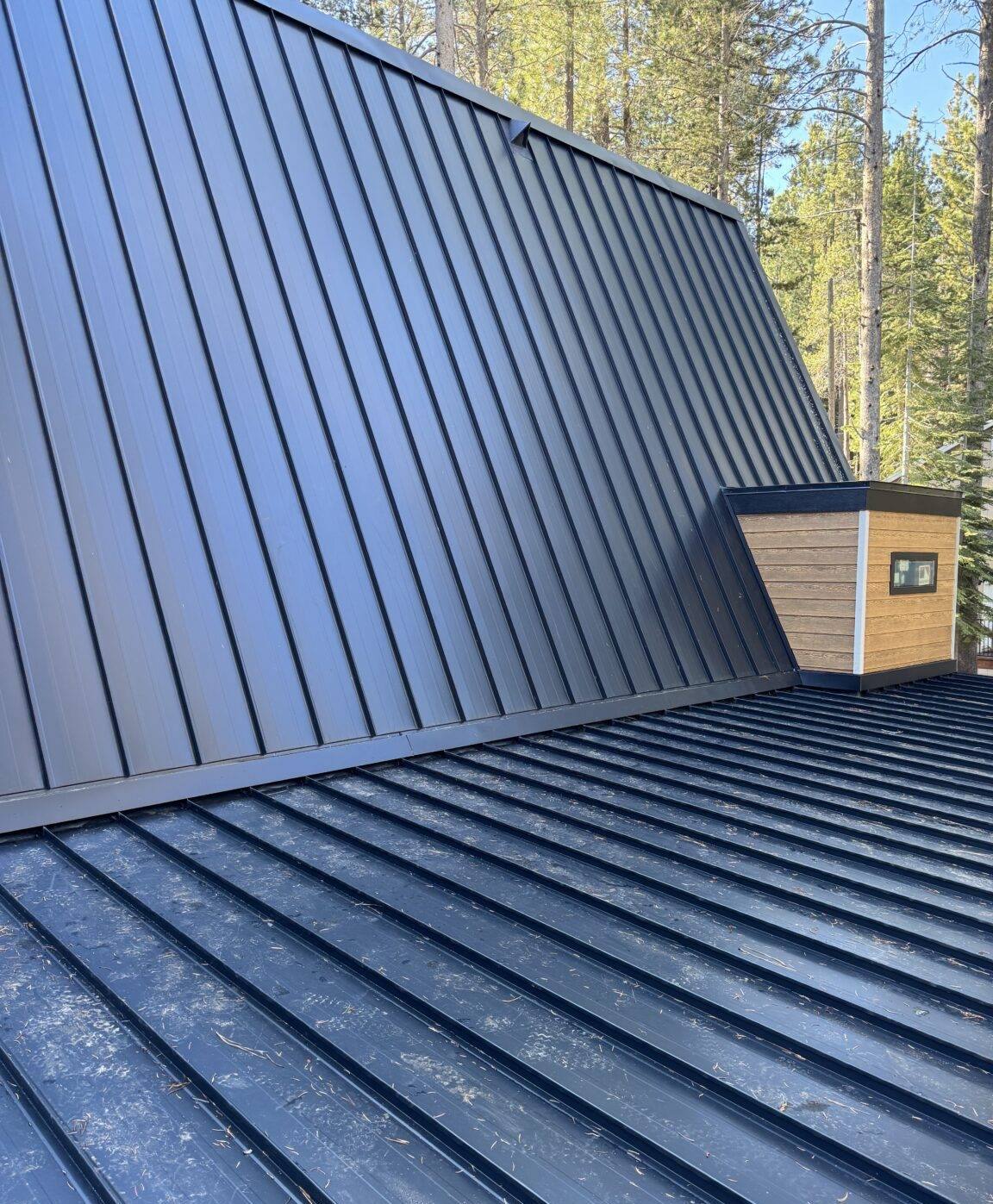
| Metal roofing | Sheds moss and water well due to slick surface and slope; needs marine-grade coatings and fasteners near the Sound | Low once installed correctly | 40+ years |
| Synthetic/composite shingles | Resists moisture absorption better than wood; performance varies by product line | Low to moderate | 30–50 years depending on product |
We don't push one material as the "right" answer for every house — a shaded Little Mountain lot with heavy tree cover and a sunnier, more exposed lot nearby can call for different choices. We'll walk through what fits your roof's actual exposure during the estimate.
A Note on Cedar Shakes
Cedar shakes are still popular for their look, and we install them when that's the homeowner's priority. Our honest standard, though, is that shaded, moss-prone lots ask a lot of a wood roof — it needs more attentive ventilation, more frequent moss treatment, and a homeowner willing to keep up with maintenance. We'll tell you that plainly up front rather than let you find out the hard way five years in.
Our Roof Replacement Process
- On-site inspection: We walk the roof and attic, check the deck condition, look at ventilation, and note moss patterns and drainage issues specific to your lot.
- Written estimate: You get a clear scope — material options, what's included (tear-off, underlayment, flashing, ventilation), and a straightforward price range, not a vague ballpark.
- Scheduling around weather: We plan install windows with Skagit County's rain patterns in mind and stage material delivery so your home isn't sitting open to weather longer than necessary.
- Tear-off and deck repair: Old roofing comes off, the deck gets inspected, and any damaged sheathing is replaced before anything new goes down.
- Underlayment, flashing, and ventilation installed to spec: This is where most of the long-term performance difference actually comes from — not the shingle brand.
- Final walkthrough: We go over the finished roof with you, including cleanup, before calling the job done.
Signs a Little Mountain Roof Needs Replacing, Not Just Repair
- Granule loss showing up in gutters or downspouts consistently, not just after one storm
- Moss buildup that returns quickly after cleaning, especially on north-facing or shaded slopes
- Soft spots or sagging when walked, which usually points to deck damage underneath
- Daylight visible through the attic roof boards, or damp insulation after rain events
- Curling, cracking, or missing shingles concentrated in valleys or along eaves where wind-driven rain hits hardest
- Rusting or lifting flashing around chimneys, vents, or skylights
If you're only seeing one or two of these and the roof is under 15 years old, a repair may still make sense. Once several show up together, or the roof is past its expected service life, replacement is usually the more cost-effective path — repeated repairs on an aging roof add up without solving the underlying moisture and ventilation issues.
Why a Crew That Already Works Little Mountain Matters
Roofing crews that mostly work drier, more exposed parts of Mount Vernon or Skagit County can miss details that matter specifically here — how much shade a lot gets, which slopes hold moss longest, where wind funnels rain during a storm. We've worked enough roofs in this neighborhood to know those patterns going in, which means fewer surprises during tear-off and a spec that's actually matched to your property instead of a one-size-fits-all approach.
There's also a practical side: being local means faster response if something needs attention after the install, and a crew that's still around next season, not one that worked the area once and moved on.
Cost Factors for Little Mountain Roof Replacement
Every roof is different, but the main things that move the price on a Little Mountain job are:
| Factor | Why It Matters Here |
|---|---|
| Roof size and complexity | More valleys, dormers, and penetrations mean more flashing and labor |
| Deck condition | Moisture and moss-related rot found during tear-off adds repair scope |
| Material choice | Asphalt, cedar, metal, and synthetic products span a wide cost range |
| Tree cover and access | Shaded, tree-lined lots common around Little Mountain can add setup and cleanup time |
| Ventilation upgrades needed | Older homes often need added intake/exhaust venting to meet current best practice |
We give a real number after seeing the roof in person — not a phone quote — because deck condition and access vary too much house to house to guess accurately.
If your roof is showing wear, growing moss faster than you can keep up with, or just due for an honest look, we're happy to come out to your Little Mountain property for a free, no-pressure estimate. Fill out the form below and we'll get a time on the calendar.