 Mount Vernon
 Building Decks That Actually Hold Up in Kulshan Ridge
Kulshan Ridge sits in a part of Mount Vernon where the weather doesn't do a deck any favors. Between the Skagit Valley's driving rain, the salt-laden air that drifts in off Puget Sound, and a moss season that can stretch from October clear through April, an outdoor structure here works harder than it would almost anywhere else in the state. A deck that's framed, fastened, and finished the way it should be will give you decades of solid use. One that isn't will show soft spots, stains, and loose railings inside a few winters. We build decks for this specific neighborhood's conditions, not a generic climate.
This page is about one thing: custom deck construction for homes in and around Kulshan Ridge. Not a general overview of decking materials, not a sales pitch for one brand — just a straight explanation of what a deck needs to survive here, how we build it, and what to expect from the process.
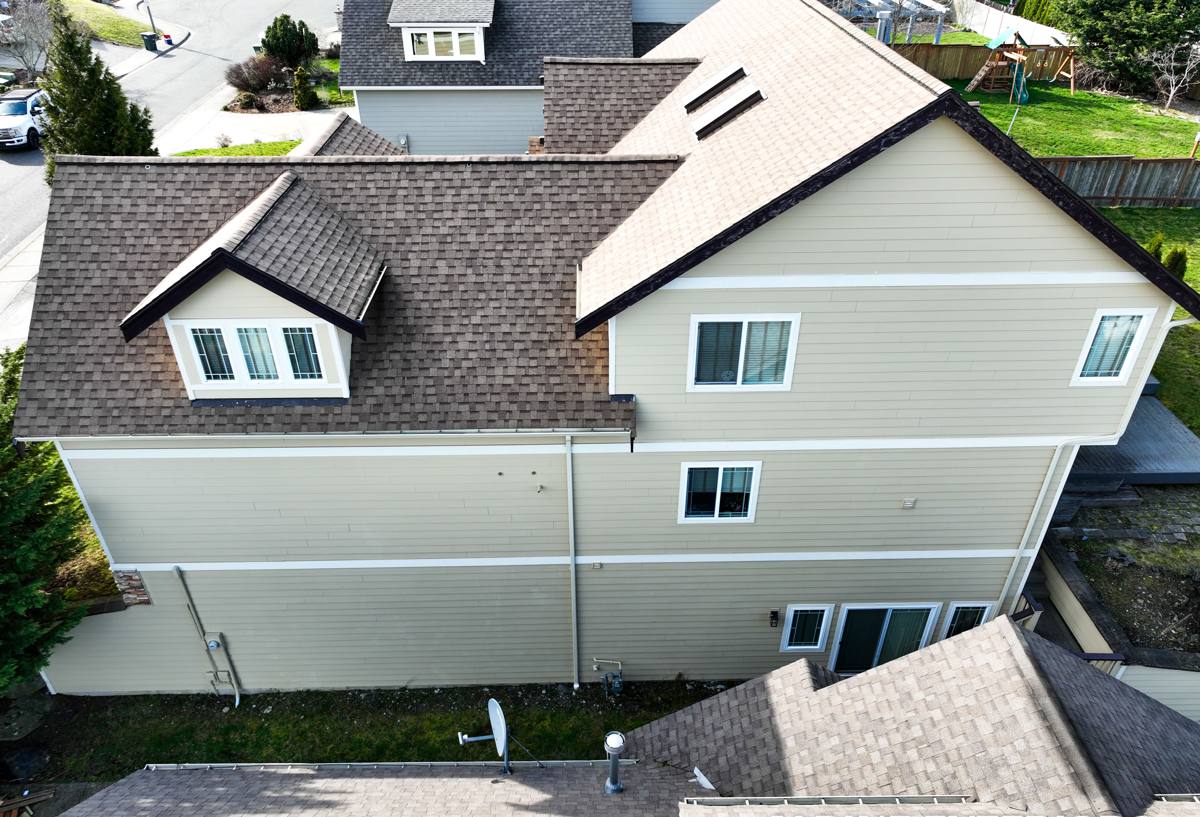
What Skagit County Weather Does to a Deck
Before talking about lumber species or fastener types, it helps to understand the three forces actually working against your deck year-round.
Constant Moisture
Mount Vernon gets a long, steady rainy season rather than short heavy downpours. That means wood, composite, and even the framing underneath stays damp for extended stretches rather than getting a quick soak and drying out. Any spot where water can pool, wick into end grain, or sit trapped between boards becomes the first place a deck starts to fail.
Salt Air
Proximity to the Sound means airborne salt reaches fasteners, flashing, and any exposed metal hardware. Ordinary galvanized screws and brackets corrode faster here than they would inland. Once a fastener starts rusting, it weakens, stains the surrounding wood or composite, and eventually needs replacing — usually after it's already caused a problem.
Moss and Algae
Shaded, damp surfaces in this region grow moss aggressively. On a deck, moss isn't just cosmetic — it holds moisture against the surface, breaks down wood fibers, and turns boards slick and dangerous underfoot. A deck with poor airflow underneath or heavy tree cover overhead will grow moss faster than an open, well-ventilated one, regardless of material.
What a Correctly Built Deck Needs Here
Given those three conditions, a deck built for Kulshan Ridge needs to get several things right that a fair-weather build in a drier climate could get away with skipping.
- Corrosion-resistant fasteners and hardware throughout — not just where it's visible, since hidden fasteners in ledger boards and joist hangers fail just as easily as exposed ones.
- Proper ledger flashing where the deck attaches to the house, so water is directed away from the band joist and siding rather than trapped against it.
- Adequate ground clearance and airflow underneath the deck so the framing can dry out between rain events instead of sitting damp for months.
- Board spacing and orientation that lets water shed quickly rather than pool along seams.
- A grading or drainage plan beneath the deck so runoff doesn't collect against posts and footings.
- Material choice matched to sun and shade exposure — a deck under heavy tree cover needs different moss and moisture handling than one in an open, sunnier yard.
Skip any one of these and the deck will likely still look fine for the first season or two. The problems that come from cutting corners on moisture management and corrosion resistance tend to show up two to five years in, and by then they're often hidden under the decking rather than out in the open where you'd catch them early.
Choosing the Right Decking Material for This Climate
There's no single "best" decking material for every Kulshan Ridge home — it depends on your budget, how much upkeep you want to do, and how exposed the site is to sun, shade, and salt air. Here's an honest comparison of the main options we work with.
| Material | Moisture & Moss Behavior | Maintenance | Typical Lifespan Here |
|---|---|---|---|
| Pressure-treated lumber | Handles moisture well when properly sealed; needs regular treatment to resist moss and staining | Annual cleaning and re-sealing recommended | 15-20 years with upkeep |
| Cedar | Naturally moisture and insect resistant; still needs sealing to fully resist moss in shaded spots | Periodic sealing/staining | 15-25 years with upkeep |
| Composite decking | Doesn't rot or wick moisture like wood, but can still grow surface moss/algae in damp shade if not cleaned | Low — occasional washing | 25-30+ years, backed by manufacturer warranty |
| PVC/vinyl decking | Fully moisture-resistant surface; best resistance to moss staining of the group | Very low | 25-30+ years, backed by manufacturer warranty |
Our standard is to walk your specific site with you — how much shade it gets, whether it's near heavier salt exposure, how the yard drains — and recommend material based on that, not a one-size answer. We're upfront that lower-maintenance materials generally cost more up front, and that trade-off is worth discussing honestly rather than glossing over.
Framing and Substructure: The Part Nobody Sees
The decking surface gets all the attention, but the framing underneath is what determines whether a deck lasts 15 years or 30. In a climate like Mount Vernon's, we pay particular attention to:
Footings and Posts
Footings need to be sized and set below frost depth and positioned so water doesn't pool around the base of the post. Post bases should keep wood off the ground and out of standing water.
Joists and Beams
All structural framing gets treated lumber rated for ground contact where applicable, with joist tape or another moisture barrier on top of joists to keep fasteners and end grain from sitting in trapped water under the decking.
Ledger Attachment
Where the deck ties into the house, correct flashing and fastening isn't optional — it's the single most common source of hidden rot on decks we're called to repair or rebuild. This is one area where doing it right the first time saves real money down the road.
Our Process for Kulshan Ridge Deck Projects
- On-site consultation — we walk your yard, look at sun/shade exposure, drainage, and how the deck will connect to your home, and talk through your goals and budget.
- Design and material selection — we recommend a layout and material based on your specific site conditions, not a generic default.
- Permitting — most deck projects in Mount Vernon require a building permit; we handle that process as part of the job.
- Site prep and footings — excavation, footing placement, and post setting done to proper depth and spacing.
- Framing — ledger, beams, and joists installed with corrosion-resistant hardware and moisture barriers.
- Decking and railing installation — surface material and railing system installed per manufacturer spec where applicable.
- Final walkthrough — we go over the finished deck with you and explain any maintenance it needs going forward.
Why It Matters to Hire a Crew That Already Works This Neighborhood
Deck-building fundamentals don't change much from town to town, but the details that determine whether a deck lasts do. A crew that already works Kulshan Ridge and the surrounding Mount Vernon area knows which yards drain poorly, which spots get heavier moss from tree cover, and how much salt exposure a given site typically sees. That local knowledge shows up in small decisions — fastener spec, flashing detail, board spacing — that a crew unfamiliar with Skagit County's climate might not think twice about.
It also matters for follow-up. If a question comes up two years after the build, or you want an assessment of how the deck is holding up, it helps to work with a contractor who's still local, still reachable, and familiar with the site.
Maintaining Your Deck Once It's Built
No deck material here is fully maintenance-free, even the low-upkeep composites and PVC products. A short seasonal checklist keeps most decks in good shape for their full expected lifespan:
- Sweep debris and standing leaves off the surface regularly, especially in fall
- Wash the deck surface at least once a year to remove early moss and algae growth before it takes hold
- Check fastener heads and railing connections annually for corrosion or looseness
- Confirm the area underneath the deck stays clear so airflow isn't blocked
- Re-seal or re-stain wood decking on the schedule your material calls for
- Watch for soft spots near the ledger board or post bases, which can signal trapped moisture
If you're planning a new deck or replacing an aging one in Kulshan Ridge, we're happy to come take a look and give you a straightforward, no-pressure estimate based on your specific yard and goals. There's a form below — reach out and we'll set up a time to walk the site with you.