 Mount Vernon
 Board & Batten in Kulshan Ridge: A Look That Fits the Neighborhood
Board and batten has become one of the most requested siding profiles in Kulshan Ridge, and it's easy to see why. The vertical lines read as clean, modern farmhouse on newer builds and as a tasteful accent on more traditional homes when paired with lap siding. It's a distinctive look in a neighborhood where curb appeal matters, but the profile is more than a style choice — the way it's built and installed determines whether it holds up to Skagit County weather or becomes a maintenance headache within a decade.
We install board and batten siding throughout Mount Vernon, and Kulshan Ridge has its own set of conditions worth planning around: exposure to wind-driven rain off the valley, salt-laden air moving up from Puget Sound and the Skagit delta, and a long stretch of the year where shaded elevations barely dry out between storms. None of that makes board and batten a bad choice here — it just means the material and the installation details matter more than they would in a drier climate.
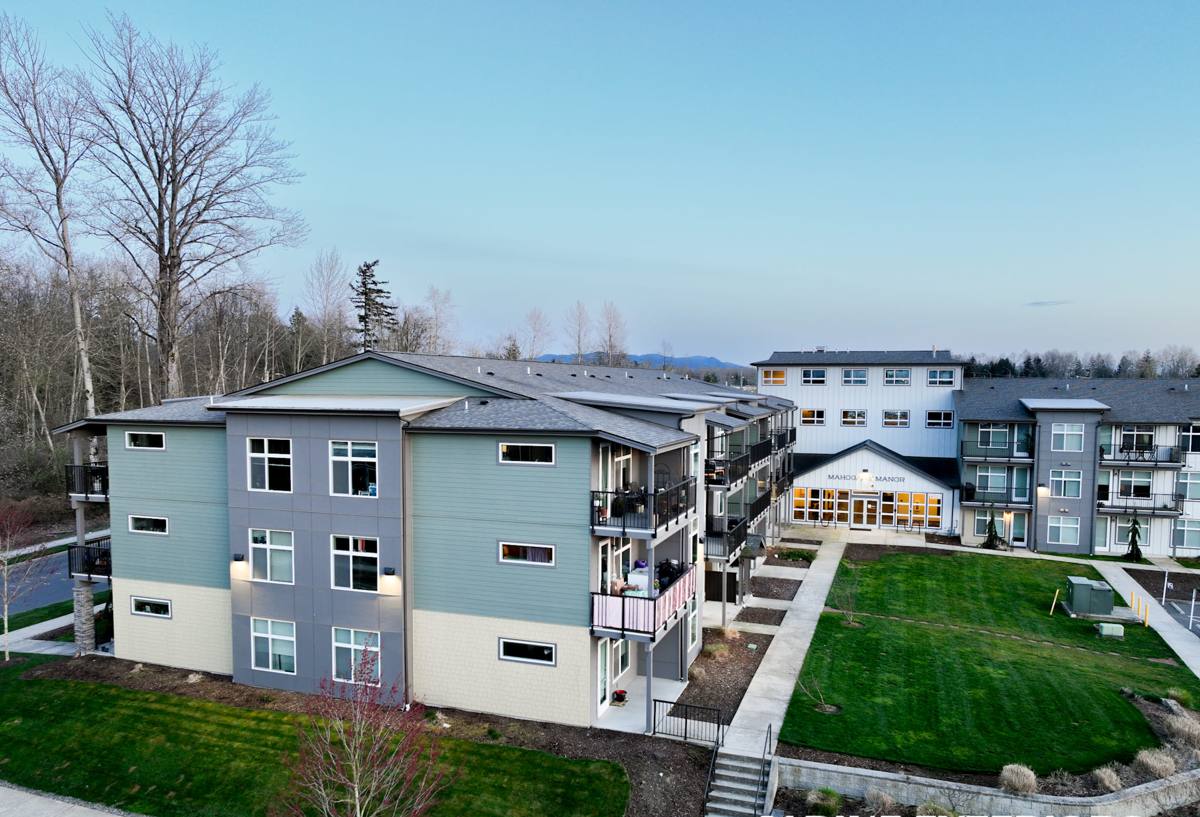
What Board & Batten Siding Actually Is
Board and batten is a vertical siding system built from wide flat panels or boards with narrower strips — the battens — covering the seams between them. The result is a rhythmic, vertical line down the wall instead of the horizontal shadow lines you get with traditional lap siding. It's traditionally been done with wood boards, but the seams and the vertical grain make it a profile that lives or dies by moisture management.
Two Ways to Build It
- Panel and batten: Large fiber cement panels installed vertically, with battens fastened over the seams. This is the more common modern approach and what we install most often.
- Board and batten (true): Individual vertical boards installed side by side with battens covering each seam, giving a slightly different rhythm and shadow line.
Either way, the seams behind the battens are the part of the wall that has to be detailed correctly, because that's where water finds its way in if the installation is sloppy.
Why Skagit County Weather Is Harder on Vertical Siding
Mount Vernon sits in a spot where several weather patterns overlap, and Kulshan Ridge's position means homes there take a fairly direct hit from more than one of them.
Salt Air
Air moving off Puget Sound and up the Skagit River delta carries salt that accelerates corrosion on fasteners, flashing, and any metal trim detail. Over years, that corrosion is often what fails first on a siding system — not the siding material itself, but the hardware holding it together.
Driving Rain
Vertical siding profiles are more exposed to wind-driven rain than horizontal lap siding, because there's no overlapping shingle-style shedding built into the design. Every seam, every batten edge, and every penetration (hose bibs, light fixtures, vents) needs a real water management plan behind it, not just a bead of caulk.
Moss Season
Skagit County's damp, mild winters create a long window — often five or six months — where north-facing and shaded walls stay wet enough for moss and algae to take hold. Untreated or unfinished wood surfaces are especially vulnerable, and once moss establishes itself, it holds moisture against the wall and accelerates rot underneath.
These three factors compound each other. Salt air corrodes the hardware, driving rain finds any gap that corrosion or poor detailing opens up, and moss season keeps the wall wet long enough for damage to take hold before a homeowner even notices.
Why We Only Install James Hardie for This Profile
Board and batten is offered in several materials, and we've made a deliberate choice to install James Hardie fiber cement exclusively — including for this vertical profile, where material choice matters even more than usual.
What We Don't Install, and Why
Primed wood and cedar board and batten can look beautiful when new, but the vertical seams behind the battens are exactly the spot where wood siding is most exposed to standing moisture. In a climate with Mount Vernon's rain totals and moss season, that means more frequent repainting, more caulk maintenance, and a shorter realistic lifespan before boards start to cup or rot at the seams.
Vinyl board and batten is low-maintenance in one sense, but it's a thin material that can warp in direct sun exposure and doesn't hold paint if a homeowner ever wants to change the color. It also doesn't offer the same fire resistance or impact durability as fiber cement.
LP SmartSide and similar engineered wood products have improved over the years, but they're still wood-based (strand or panel) with an engineered coating, which means the cut edges and seams — again, exactly where board and batten has the most seams — remain the vulnerable point if the coating is ever compromised by a hairline crack or improper field-cutting.
Why Hardie
James Hardie fiber cement is non-combustible, doesn't support moss growth the way raw wood does, and holds its ColorPlus factory finish for far longer than field-applied paint. For a vertical profile with more exposed seams, that stability matters. Hardie's HZ5 product line is engineered specifically for climates with significant moisture exposure, which describes Skagit County well. It's also backed by a transferable limited warranty, which matters to homeowners who may sell in the next decade.
What a Correct Board & Batten Installation Involves
The profile is only as good as the assembly behind it. On every board and batten job we treat the following as non-negotiable, not optional upgrades:
Drainage Plane and Rainscreen
A weather-resistant barrier goes on first, followed by furring strips or a purpose-built rainscreen product that creates a gap between the siding and the wall sheathing. That gap lets any water that gets behind the panels drain and dry instead of sitting against the wall — critical in a climate where walls don't get long dry stretches.
Fastening and Seam Detail
Panel seams get properly flashed and sealed before the battens go on, and battens are fastened at the manufacturer's specified spacing into structural framing, not just into the panel itself. Stainless or hot-dip galvanized fasteners are used specifically because of the salt air corrosion risk described above — standard fasteners corrode faster here than in inland climates.
Flashing at Penetrations and Transitions
Windows, doors, hose bibs, light fixtures, and roof-to-wall transitions all need flashing detail sized correctly for a vertical siding assembly. This is where the majority of siding failures we see actually originate — not in the field of the wall, but at a poorly flashed penetration.
Bottom Termination and Clearance
Board and batten needs proper clearance from grade, decks, and roof lines to avoid wicking moisture up from splash-back or standing water. We check and correct this clearance as part of every installation, even when it means adjusting trim details the original builder didn't get right.
Material Comparison for Kulshan Ridge Conditions
| Material | Moisture/moss resistance | Salt air durability | Maintenance | Typical lifespan (this climate) |
|---|---|---|---|---|
| James Hardie fiber cement | High — factory finish resists moss buildup | Strong with proper fasteners | Occasional wash, no repainting for years | 30+ years to warranty limit |
| Cedar / primed wood | Low — seams and grain hold moisture | Moderate, hardware-dependent | Repaint/reseal every few years | 10–20 years before major repair |
| Vinyl | Moderate — doesn't rot but traps moisture behind it | Moderate | Low, but can't be repainted | 15–25 years, earlier if warped |
| LP SmartSide / engineered wood | Moderate — vulnerable at cut edges/seams | Moderate, hardware-dependent | Periodic caulk/paint touch-up | 20–25 years with upkeep |
This isn't a claim that other materials fail outright — it's why, given Kulshan Ridge's specific mix of salt air, driving rain, and moss season, we standardized on the option with the fewest maintenance-dependent weak points.
Our Process for a Kulshan Ridge Board & Batten Project
- On-site assessment: We walk the specific elevations exposed to prevailing wind and rain, check existing moisture damage, and note any drainage or grading issues around the foundation.
- Detailed proposal: Panel layout, batten spacing, trim details, and color selection from Hardie's ColorPlus palette, with a clear scope of what's included.
- Tear-off and inspection: Old siding comes off and the sheathing underneath gets inspected for rot or damage before anything new goes on — this step catches problems that would otherwise get covered up.
- Weather barrier and rainscreen installation: The drainage assembly goes in correctly before a single piece of visible siding is hung.
- Panel, batten, and trim installation: Installed to Hardie's fastening and clearance specifications, with corrosion-resistant hardware throughout.
- Final detailing and walkthrough: Caulking, touch-up, and a walkthrough so the homeowner understands what was done and how to maintain it.
What to Check Before You Hire Anyone for This Work
- Do they install a proper rainscreen/drainage gap, or just nail panels directly to the sheathing?
- Do they specify corrosion-resistant fasteners given the salt air exposure in this area?
- Will they inspect and address the sheathing underneath before re-siding, not just cover it?
- Can they show you the batten spacing and fastening pattern they plan to use?
- Are they licensed and insured for exterior work in Washington, and can they provide that documentation?
Living With Board & Batten in This Climate
Even with the right material and installation, a little homeowner awareness goes a long way. Shaded, north-facing walls in Kulshan Ridge are the ones most likely to develop moss or algae film over a wet winter — an occasional gentle wash (never a high-pressure blast directly at seams) keeps that from becoming a bigger problem. Keep an eye on caulk lines at trim and penetrations after the first couple of winters, since that's the detail most likely to need a touch-up before anything else does. Beyond that, factory-finished fiber cement genuinely is close to "install it and forget it" siding for this climate — which is a large part of why we recommend it.
If you're weighing board and batten for a home in Kulshan Ridge, we're glad to come take a look, walk the specific elevations that concern you, and give you a straightforward, no-pressure estimate — just fill out the form below.