 Mount Vernon
 Windows Built for Edison's Climate, Not a Catalog Photo
Edison sits low against the Samish flats, close enough to tidal water that salt-laden air is part of daily life, not an occasional event. Add in Skagit County's long wet season, sideways rain off the bay during winter storms, and months of shade and moss growth on north-facing walls, and you have a set of conditions that punishes cheap window installs faster than almost anywhere else in the county. A window that's fine in a dry inland climate can start failing here in a handful of years if it isn't installed with this specific weather in mind.
This page is about one job, done right, in one area: replacing or upgrading windows on homes in and around Edison. Not a general product pitch — the actual decisions that matter when the house you're working on sits in a maritime, salt-exposed, rain-driven microclimate.
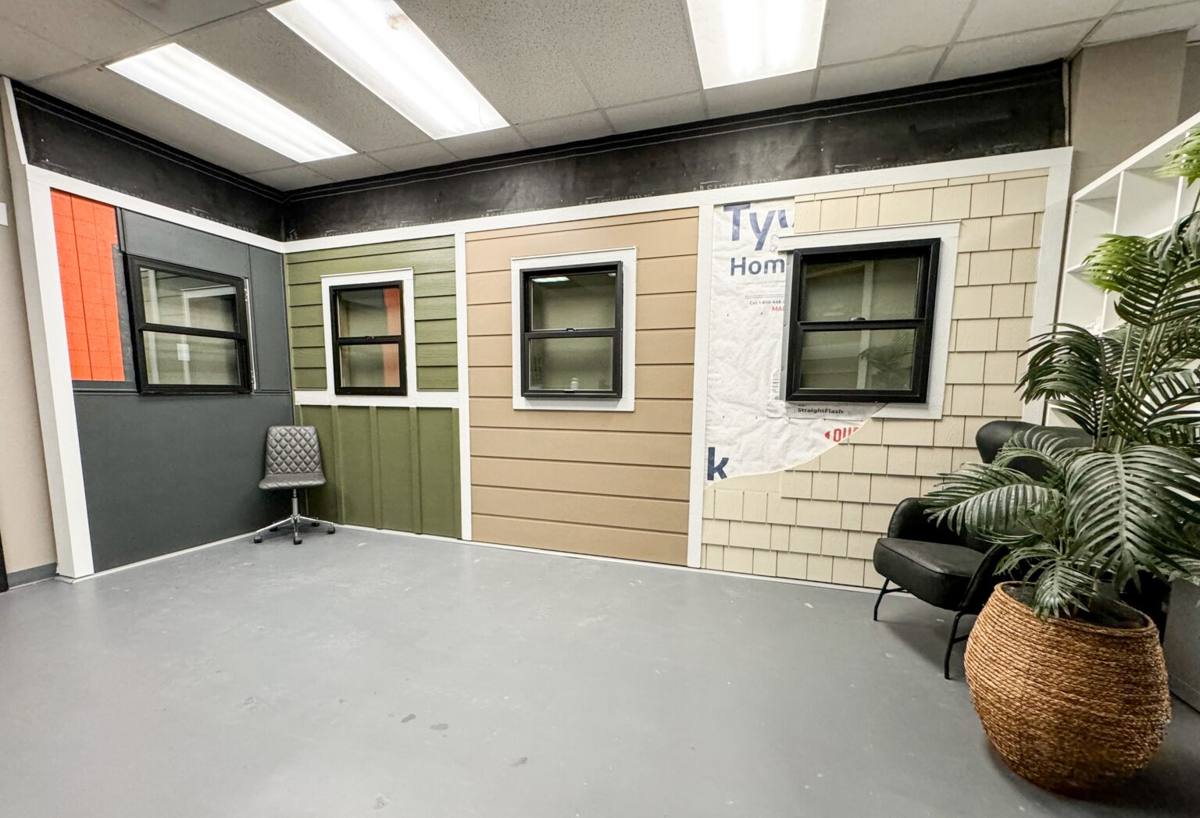
What Edison's Weather Actually Does to a Window
Salt Air
Homes near Samish Bay and the surrounding tideflats get a steady low dose of salt in the air, carried in on wind off the water. Salt accelerates corrosion on hardware, fasteners, and lesser window components — hinges, cranks, and screws that aren't rated for coastal exposure can start showing rust or seizing up years before they should. This is a materials and hardware selection issue, not just a glass issue.
Driving Rain
Wind off open water and the flats doesn't just drop rain straight down — it pushes it sideways into wall assemblies, which means window flashing and drainage details matter more here than in sheltered inland lots. A window that's air-tight but poorly flashed will let wind-driven rain track behind the trim and into the wall cavity, and you often won't see it until there's already rot or stains.
Moss Season
Skagit County's wet season runs long, and shaded, north- and west-facing walls around Edison hold moisture for months at a time. Moss and algae growth on siding and trim near windows keeps that moisture in contact with the wood or trim longer, which is exactly the condition that rots sills and window bucks if the original flashing wasn't done well.
Why Energy Efficiency Is a Different Conversation Here
Skagit County falls in the "Northern" climate zone under ENERGY STAR's window rating system, which is heating-dominated — the priority is keeping heat in, not blocking summer heat gain. That changes which numbers actually matter on a window's rating label.
- U-factor is the main number to watch. Lower is better for keeping heat inside during our wet, cool winters — in this climate zone, a U-factor around 0.27 or lower is the target for a genuinely efficient window.
- SHGC (Solar Heat Gain Coefficient) matters less strictly here than in hot climates, but a moderate SHGC still helps capture some free solar warmth on the low winter sun angles typical of this region, without overheating rooms in summer.
- Air leakage rating matters a lot in a windy, exposed area like Edison — a low air-leakage number reduces drafts during winter storms off the bay.
Marketing terms like "energy efficient" on a box mean nothing without checking the actual NFRC label numbers against what this climate needs. Part of doing this job right is reading that label with the homeowner, not just trusting the sticker on the showroom sample.
Frame Material: The Coastal Trade-Offs
Frame choice affects how a window holds up to salt air and moisture over time as much as it affects the energy numbers. There's no single "best" answer — it's a trade-off between cost, maintenance, and how the material behaves in this specific climate.
| Frame Material | Moisture/Salt Behavior | Maintenance | Typical Trade-Off |
|---|---|---|---|
| Vinyl | Doesn't corrode or rot; performs well near salt air | Low — occasional cleaning | Good value; some flexing in very large sizes |
| Fiberglass | Very stable dimensionally, excellent in wet/coastal exposure | Low | Higher upfront cost, strong long-term durability |
| Wood (unclad) | Vulnerable to rot and moisture wicking in driving rain | High — regular painting/sealing | Classic look, but a poor match for Edison's exposure without diligent upkeep |
| Vinyl or fiberglass-clad wood | Exterior face protected; interior wood still needs a dry wall assembly behind it | Moderate | Good look, but installation quality behind the cladding matters even more |
Our standard recommendation for most Edison homes is vinyl or fiberglass for the exterior-facing material, specifically because it removes the ongoing maintenance burden that salt air and long wet seasons create for painted wood. That's a practical standard based on how these materials hold up in this exposure over years, not a knock on wood windows generally — a well-maintained wood window can last a long time, it just asks more of the homeowner in a climate like this one.
What a Correct Installation Actually Involves
The window unit itself is maybe half the job. The other half — flashing, drainage, and air sealing — is what determines whether that window is still performing in ten years or is already letting water into the wall.
- Remove the old unit carefully and inspect the rough opening for hidden rot, especially at the sill — this is common on older homes in the area and needs to be dealt with before anything new goes in.
- Install a sloped sill pan flashing so any water that gets past the window has a path to drain back out, not pool at the sill.
- Integrate flashing with the weather-resistive barrier in the correct shingle-lap order — head flashing over the barrier, side and sill flashing under it — so water is directed down and out, not behind the siding.
- Set the window plumb, level, and square, shimmed correctly so the frame isn't under stress that can crack seals over time.
- Insulate the gap between the frame and rough opening with a low-expansion foam or backer rod, not packed fiberglass alone, to control both air leakage and moisture.
- Seal and trim the exterior with a quality sealant rated for exterior exposure, leaving the correct weep points open so the drainage plane still works.
Skipping or rushing any one of these steps is how a brand-new, high-rated window still ends up with a soft sill or a stained wall three winters later. It's also why we treat window replacement and siding work as connected jobs — the flashing at a window opening only works if it ties correctly into the siding and weather barrier around it.
Our Process for an Edison Window Job
1. On-Site Assessment
We look at each window opening individually — sun exposure, wind exposure, and any visible signs of past moisture problems — rather than quoting a flat per-window price sight unseen. Openings on the windward or bay-facing side of a house often need more attention than sheltered ones.
2. Product Selection
We walk through frame material, glass package, and hardware options against the home's actual exposure and the homeowner's budget — including the honest trade-offs above, not just the upsell option.
3. Prep and Removal
Old units come out carefully, and we inspect and repair any rot or damage in the rough opening before a new window goes anywhere near it. Hidden problems get flagged and priced honestly, not glossed over.
4. Flashing and Installation
Sill pan, integrated flashing, correct shimming, and proper air sealing — done in the sequence that keeps water moving out and heat staying in.
5. Finish and Walkthrough
Interior and exterior trim finished, hardware tested, and a walkthrough so the homeowner knows what was done and why, including how to keep hardware and weep points clear given the local salt and moss exposure.
Cost Factors for Edison Window Projects
There's no honest flat price for window replacement — it depends on the variables below. Broad ranges only, since every opening is different:
| Factor | Why It Moves the Price |
|---|---|
| Number and size of openings | More glass, more labor and material |
| Frame material | Vinyl is typically the most budget-friendly; fiberglass and clad-wood cost more upfront |
| Existing rot or moisture damage | Hidden sill or framing repair adds labor once the old unit is out |
| Exposure and wind loading | Bay-facing or highly exposed openings may need upgraded hardware or sealants |
| Glass package | Low-E coatings and argon fill add modest cost for meaningfully better performance in our climate |
| Coordination with siding work | Doing windows alongside a siding project can reduce duplicate setup and flashing work |
Signs an Edison Home Needs Window Attention Soon
- Visible fog or moisture between the panes (failed seal on a double- or triple-pane unit)
- Soft or discolored trim and sill wood around the window frame
- Drafts noticeable near the frame during winter storms
- Hardware — cranks, locks, hinges — that's stiff, rusted, or won't latch fully
- Visible moss or dark staining on siding directly below or beside a window
- Condensation regularly forming on the interior glass in cooler months
Why a Crew That Already Works Edison Matters
Edison isn't a big town, and its housing stock, exposure, and permitting path through Skagit County are specific enough that general contractor experience from a different climate doesn't automatically transfer. A crew that's already done window and siding work in this area knows which sides of a house typically take the worst weather, what kind of rough-opening problems show up most often on the area's older homes, and how to sequence window and siding work together so the flashing details actually line up — instead of learning those lessons on your house.
We also treat the honest trade-offs — frame material, glass package, what's really needed versus what's upsell — the same way for every homeowner, because a window install that isn't sized to the actual exposure of the wall it's going in is a callback waiting to happen, and that costs everyone more than getting it right the first time.
If you're weighing window replacement or upgrade for a home in or around Edison, we're happy to take a look and give you a straight answer on what your specific openings need — no pressure, no inflated scope. Reach out for a free estimate using the form below.