 Mount Vernon
 Building Decks That Actually Hold Up Around Clear Lake
Clear Lake sits in a pocket of Skagit County where shade, moisture, and mature tree cover combine to create tougher conditions for outdoor structures than most people expect. A deck built the way it would be in a dry, open subdivision doesn't last the same way here. Between the marine air that moves in off Puget Sound, the driving rain that Skagit Valley sees for months at a stretch, and the long moss season that follows, a deck around Clear Lake is under near-constant moisture pressure for a big part of the year.
That doesn't mean decks don't work here — they absolutely do, and a well-built one is one of the best investments a homeowner can make in a property like this. It means the framing, the fasteners, the decking material, and the drainage details all have to be chosen with this specific environment in mind, not a catalog default. This page walks through what that actually looks like.
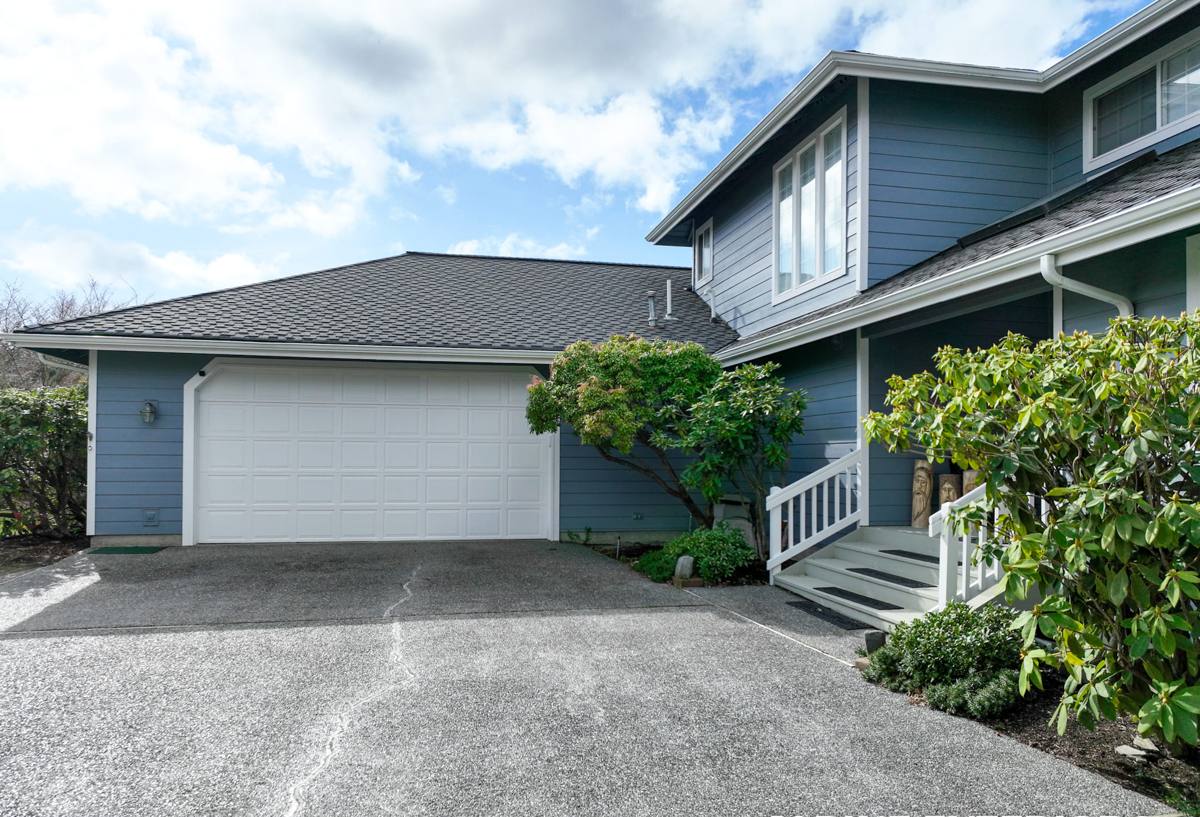
What Clear Lake's Climate Does to a Deck Over Time
A few things happen to outdoor structures here that owners further inland or in drier parts of the state rarely have to think about:
- Trapped moisture under shaded canopy. Homes near the lake and among mature trees get less direct sun and wind to dry surfaces out between storms, so wood and framing stay damp longer after every rain.
- Moss and algae growth. Shaded, moist decking surfaces are exactly where moss takes hold fastest — and once established, it holds water against the boards, accelerating rot and making the surface slick underfoot.
- Corrosion of fasteners and hardware. The combination of persistent dampness and salt-laden marine air moving through the region is hard on standard fasteners, brackets, and ledger hardware if the wrong grade is used.
- Debris buildup. Overhanging trees drop needles, leaves, and pollen into gaps and against ledger boards, which holds moisture right where it does the most damage.
None of this is a reason to avoid building — it's the reason the build has to be done correctly the first time, with materials and details matched to the site.
What a Correctly Built Deck Needs Here
Framing and Fasteners
We frame with pressure-treated lumber rated for ground contact where it's near soil, and we use stainless steel or heavy hot-dip galvanized fasteners and structural connectors throughout — not the lighter coated hardware that's fine in drier climates but corrodes prematurely under sustained damp, salt-tinged air. Every ledger board attachment gets proper flashing so water is directed away from the house wall rather than trapped behind the board.
Footings and Drainage
Skagit County soils hold water, and a shaded lot near the lake often drains more slowly than an open one. Footings are set below frost depth and sized for the soil conditions on your specific lot, and we grade and, where needed, add drainage away from post locations so water doesn't pool against the substructure over winter.
Airflow Underneath
Low, boxed-in decks with poor ventilation underneath are one of the most common failure points we see on older builds around here. Proper joist spacing, gapping between boards, and skirting that still allows air movement keep the underside of the deck from becoming a permanently damp, moss-friendly environment.
Choosing the Right Decking Material for a Shaded, Damp Lot
There's no single "best" decking material — the right choice depends on how much sun and shade your lot gets, how much upkeep you want to do, and your budget. Here's how the common options actually perform in Clear Lake's conditions:
| Material | How It Handles Moisture & Moss | Maintenance | Relative Cost |
|---|---|---|---|
| Cedar | Naturally moisture- and insect-resistant, but shaded, damp spots still grow moss and need regular attention | Annual cleaning and re-sealing or staining | Moderate |
| Pressure-Treated Pine | Treated against rot, but more prone to surface moss and graying in constant shade | Regular cleaning; sealing every 1-2 years | Lowest |
| Composite Decking | Doesn't rot, but can grow surface mildew/algae in deep shade if not rinsed periodically | Occasional washing; no staining or sealing | Higher |
| PVC / Capstock Boards | Fully moisture-resistant surface; best resistance to staining and algae growth | Lowest — soap and water rinse as needed | Highest |
For lots with heavy tree cover close to the lake, we often steer homeowners toward composite or capstock boards specifically because of the maintenance burden real wood carries in constant shade — not because wood is a bad product, but because a client who wants to actually enjoy the deck rather than scrub it twice a year is usually happier with a low-maintenance surface here.
Design Choices That Matter Around a Lake Setting
Railings and Hardware
Metal railing components and cable systems need the same corrosion-resistant hardware as the structure itself. Wood railings need the same moisture and moss considerations as decking.
Orientation and Shade
Where the lot allows it, we look at whether the deck footprint can capture more of the available light rather than sitting in the densest shade — even a modest shift in layout can meaningfully cut down on moss growth and speed up drying between rains.
Stairs and Landings
Moss on stair treads is a real slip hazard, so tread material, spacing, and sometimes a slip-resistant surface treatment get extra attention on any steps leading down toward the lake or a lower yard.
Our Process for a Clear Lake Deck Project
- Site assessment. We look at sun exposure, tree cover, drainage patterns, soil, and how the deck will tie into the house before recommending a design or material.
- Design and material selection. We walk through the trade-offs above with you in plain terms — what fits your budget, your maintenance tolerance, and your lot's actual conditions.
- Permitting. We handle the permit application with Skagit County or the relevant local jurisdiction so the structural work is inspected and up to code.
- Structural build. Footings, framing, ledger flashing, and fastener selection are all done to hold up to this specific climate, not a generic spec.
- Decking, railing, and finish work. Boards, railings, stairs, and any sealing or staining are installed and finished to a clean, level standard.
- Walkthrough. We go over basic care for your specific decking material so you know what upkeep to expect and when.
Living With a Moss-Prone Climate: Maintenance That Actually Matters
Whatever material you choose, a few habits make a real difference in a shaded, damp setting like this:
- Sweep debris — leaves, needles, pollen — off the deck regularly rather than letting it pack into gaps and against the house.
- Rinse or wash the surface at least once or twice a year to interrupt moss and algae before it takes hold.
- Check and clear gaps between boards so water keeps draining through rather than pooling on the surface.
- Re-seal or re-stain wood decking on the schedule appropriate to the product — skipping a cycle in this climate shows up fast.
- Have fasteners, ledger flashing, and footings checked periodically, especially on older decks, since corrosion and rot at these points aren't always visible from the surface.
Why It Matters to Hire a Crew That Already Works in Clear Lake
A deck built by a crew that mostly works in drier, sunnier parts of the state can look fine on day one and still fail early here — undersized drainage, the wrong fastener grade, or framing that traps moisture under shade are mistakes that only show up after a season or two of actual Skagit County weather. We build decks throughout the Mount Vernon area, including Clear Lake, and we size the structural details, fastener grade, and decking recommendation around what this specific climate does to a deck over years, not just what looks good when it's finished.
We also know the local permitting process, which keeps the project moving instead of stalling on paperwork, and we're a call away afterward if a question comes up about maintenance or a repair down the line.
A Quick Checklist Before You Build
- Have you assessed how much shade and tree cover your specific lot gets, and how that affects material choice?
- Is the decking material matched to your maintenance tolerance, not just your budget?
- Are fasteners and structural hardware rated for damp, marine-influenced conditions?
- Does the design allow for proper drainage and airflow underneath the deck?
- Has the contractor pulled the required permit for the structural work?
- Do you have a clear maintenance plan for the material you've chosen?
If you're planning a new deck or replacing an aging one around Clear Lake, we're happy to come take a look at your lot and talk through what makes sense for your specific conditions and budget. Fill out the form below for a free, no-pressure estimate.