 Mount Vernon
 Asphalt Shingle Roofing Built for Bow's Weather, Not Just Any Weather
Bow sits close enough to Samish Bay and the open water of Skagit County that homes here take a different kind of beating than a roof twenty miles inland. Salt-laden air moves through on the wind, driving rain comes in sideways off the water during winter storms, and the shaded, damp lots common around Bow give moss a long season to work into shingle mat and fasteners. An asphalt shingle roof that's installed correctly for this specific stretch of coastline will outlast one installed to a generic spec by years. That's the difference we aim for on every Bow roof we touch.
This page is about one job, done right, in one place: asphalt shingle roofing on homes in and around Bow. Not a general overview of every roofing material we offer — the specifics that matter when your house sits this close to salt water and tree cover.
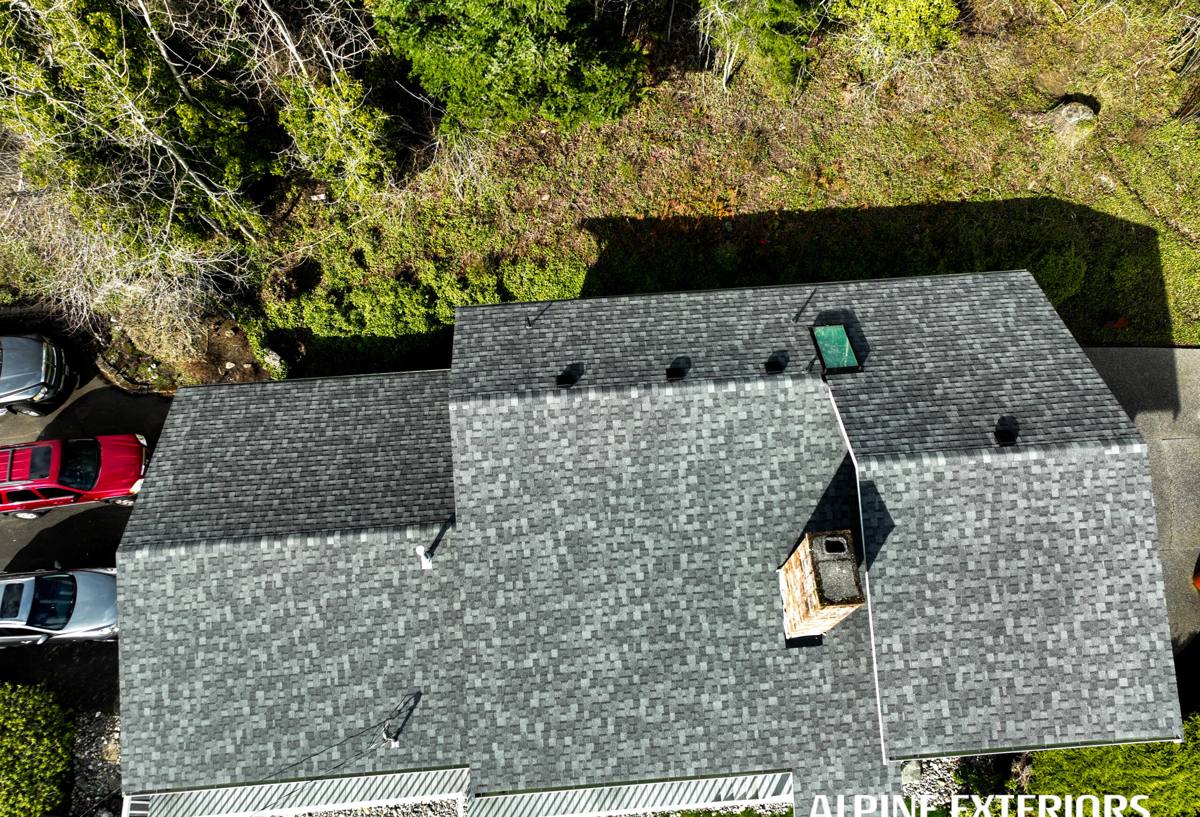
What Bow's Climate Actually Does to a Roof
Salt Air and Metal Fasteners
Salt-carrying air corrodes exposed metal faster than it does further inland. Roofing nails, flashing, and drip edge that aren't rated for coastal exposure can start showing rust streaks and weakened holding power well before a standard warranty period ends. On Bow homes we spec corrosion-resistant fasteners and flashing as standard practice, not an upsell — it's what the location requires.
Driving Rain and Wind-Driven Water
Storms coming off the water don't just fall straight down — wind pushes rain sideways and up under shingle tabs, laps, and around penetrations. A roof that would shed water fine in a calm rain can leak in a Bow winter storm if the underlayment, ice-and-water shield at vulnerable points, and shingle nailing pattern weren't installed with that wind-driven exposure in mind.
Moss, Shade, and Moisture Retention
Many lots around Bow carry heavy tree cover, which means shade, slower drying after rain, and a moss season that can run most of the year in the right conditions. Moss isn't just cosmetic — as it establishes on a shingle roof, it lifts tabs, holds moisture against the mat, and accelerates granule loss. Left unmanaged over several seasons, moss growth can shave real years off a roof's service life.
What a Correct Asphalt Shingle Roof Looks Like Here
A proper install in Bow is a system, not just shingles nailed to plywood. Every layer has a job, and skipping or shortcutting one is where premature leaks and moss problems usually start.
- Deck inspection and repair: Any soft, delaminated, or water-stained sheathing gets replaced before a single shingle goes down — covering a bad deck just hides the problem.
- Ice-and-water shield at vulnerable areas: Eaves, valleys, and roof-to-wall transitions get a self-adhering waterproof membrane underneath, since these are the spots wind-driven rain finds first.
- Synthetic underlayment across the field: A durable, water-resistant layer under the shingles that holds up better than old-style felt in a wet climate.
- Corrosion-resistant flashing and fasteners: Especially important this close to salt air — standard-grade metal simply doesn't hold up as long here.
- Proper nailing pattern and shingle exposure: Manufacturer nailing specs matter more in high-wind coastal conditions than in calmer inland areas; under-nailed shingles are one of the top causes of wind-lift failures we see.
- Ventilation that matches the home: Balanced intake and exhaust ventilation keeps moisture from building up in the attic, which matters even more under Bow's tree cover and damp air.
Ventilation Deserves Its Own Mention
We bring this up separately because it's the most commonly overlooked part of a re-roof. A shingle roof can be installed flawlessly on the outside and still fail early from the inside if attic moisture has nowhere to go. Trapped moisture rots decking, promotes mold, and shortens shingle life from underneath — a problem you won't see from the ground. Every Bow roofing job includes a look at existing ventilation, and we'll tell you honestly if it needs improving.
Choosing the Right Shingle for a Bow Home
Not every asphalt shingle product is built the same, and for a coastal, moss-prone property, the right choice matters more than it does for a dry inland roof.
| Shingle Type | Best For | Trade-Offs in Bow's Climate |
|---|---|---|
| Standard 3-tab | Budget-conscious re-roofs, secondary structures | Lower wind rating and shorter lifespan; not our first recommendation this close to the water |
| Architectural (laminate) shingles | Most Bow homes | Higher wind ratings, thicker mat resists moss intrusion better, longer warranty life |
| Algae-resistant (copper/zinc-granule) shingles | Shaded, tree-covered lots | Granules include metal that helps slow moss and algae growth over time — worth the modest upcharge on heavily shaded properties |
| Impact-rated shingles | Homes wanting extra durability | Better resistance to debris in wind events; premium cost, optional rather than necessary for most Bow roofs |
For most homes in Bow, we lean toward architectural shingles with algae-resistant granules as the sensible standard — the upcharge over basic 3-tab is modest, and it directly addresses the moss and shade issues that are common on this side of Mount Vernon.
How We Approach a Roofing Job in Bow
1. On-Site Inspection First
Before we talk numbers, we get on the roof. That means checking deck condition, existing ventilation, flashing condition around chimneys and skylights, and how much moss or moisture damage is already present. We look at the whole picture, not just the shingles.
2. A Straightforward Written Estimate
You get a clear scope of work and price — what's being replaced, what materials are specified, and why. If your roof only needs targeted repair rather than a full replacement, we'll tell you that. We don't sell full tear-offs to homeowners who don't need one.
3. Efficient, Weather-Aware Scheduling
Skagit County's wet season isn't a secret to anyone who's lived here a winter. We schedule tear-offs and installs around forecasted dry windows and keep the roof dried in at every stage, so an open deck is never left exposed to a surprise system rolling in off the water.
4. Clean Tear-Off and Deck Check
Old material comes off, the deck gets inspected in daylight (not guessed at from the old layer), and any rot or soft spots are repaired before new material goes down.
5. Full System Install
Underlayment, ice-and-water shield, flashing, ventilation components, and shingles go in as a complete system — in the order and manner that actually performs in coastal, high-moisture conditions, not just to code minimum.
6. Final Walkthrough
We walk the finished job with you, point out what was done, and answer questions before we consider the work complete.
Repair, Re-Roof, or Maintenance? A Quick Way to Think About It
Not every roofing concern in Bow needs a full replacement. Here's a general way to think about which situation you're likely in:
- Isolated leak, roof under 12-15 years old: Usually a targeted repair — flashing, a damaged shingle section, or a penetration seal.
- Heavy moss coverage but shingles still intact underneath: Often a moss treatment and cleaning job, done carefully to avoid damaging granules, plus a look at what's feeding the moss (shade, ventilation, debris buildup).
- Widespread granule loss, curling tabs, or multiple leak points: Usually signals the roof is at or near the end of its service life and a full re-roof makes more sense than chasing repairs.
- Roof over 20 years old with no recent major work: Worth an inspection regardless of visible symptoms — coastal exposure tends to age roofs faster than the manufacturer's rated lifespan assumes.
Simple Maintenance Habits That Extend a Shingle Roof's Life Here
A well-installed roof still benefits from a little ongoing attention in a climate like this one.
- Keep gutters clear so water doesn't back up under eave shingles during heavy rain.
- Trim overhanging branches where practical — less shade and debris means slower moss establishment.
- Have moss addressed early rather than left to spread; a light growth is far easier and cheaper to manage than an established mat.
- Schedule a roof check after major windstorms, since lifted or displaced shingles aren't always visible from the ground.
- Don't pressure-wash a shingle roof — it strips protective granules and shortens lifespan; moss and debris removal should be done by hand or with appropriate low-pressure methods.
Warning Signs Worth a Call
| What You Notice | What It Often Means |
|---|---|
| Granules collecting in gutters or downspouts | Shingle wear, accelerated by age or moss |
| Dark streaks or green patches on the roof surface | Algae or early moss growth |
| Daylight visible through the attic roof boards | Gaps or deterioration needing prompt attention |
| Water stains on interior ceilings | Active leak, likely at flashing or a worn shingle area |
| Shingles that look cupped or curled at the edges | Age-related wear or heat/moisture cycling |
Why a Crew That Already Works in Bow Matters
Roofing in Bow isn't the same job as roofing on a dry, open lot elsewhere in Skagit County. A crew that regularly works this area already knows to spec corrosion-resistant hardware without being asked, to plan around the region's rain patterns, and to recognize what heavy moss and shaded exposure do to a roof over time. That familiarity shows up in fewer callbacks and a roof that performs the way it's supposed to for the area it's actually in — not a generic install dropped onto a coastal lot.
Mount Vernon Siding is based right here in Skagit County, and asphalt shingle roofing for homes in Bow is work we do regularly, not occasionally. We show up knowing the conditions before we ever get on the ladder.
Get a Straightforward Estimate
If you're dealing with an aging roof, visible moss, or you just want an honest read on where your roof stands, we're happy to take a look. Reach out for a free, no-pressure estimate — we'll walk the roof, tell you what we actually find, and lay out your options in plain terms using the form below.