 Mount Vernon
 Siding Installation Built for Big Lake's Conditions
Big Lake sits in a pocket of Skagit County that takes weather seriously. Homes here deal with a mix of lake-effect humidity, wind-driven rain rolling off the water, and long stretches of low winter sun that keep north- and west-facing walls damp for days at a time. Add in the salt-tinged air that carries inland from Puget Sound on a southwest wind, and you have a climate that is genuinely hard on exterior materials. Siding that would hold up fine in a drier inland town can start failing within a decade out here — not because it was installed badly, but because it was never built for this specific mix of moisture, wind, and organic growth.
This page is about one job, done right, in one place: fiber cement siding installation for homes in and around Big Lake. We're not going to give you a generic rundown of siding options. We're going to walk through what this climate actually does to a house, what a correct installation has to account for, and how our crew — which already works this area regularly — handles it.
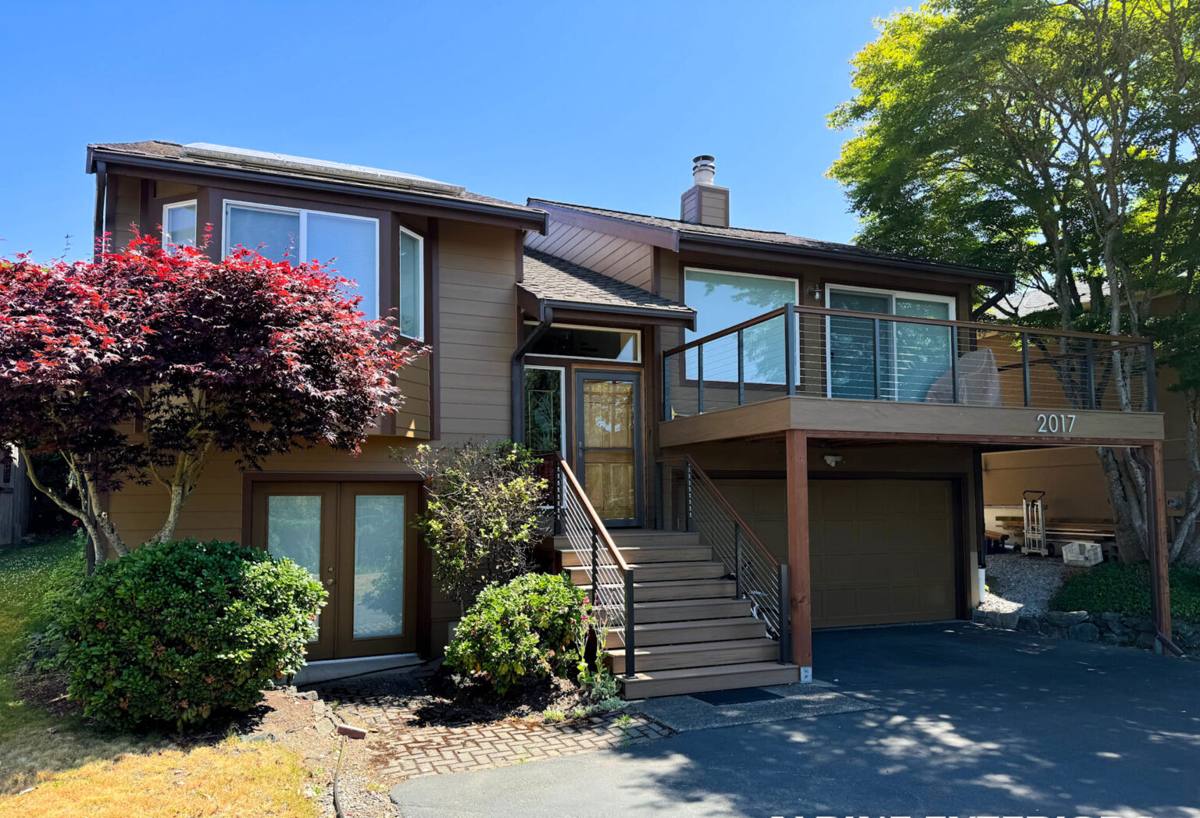
What Big Lake's Climate Actually Does to Siding
Moisture That Doesn't Let Up
Skagit County gets a long wet season, and Big Lake's proximity to open water means fog, dew, and standing humidity linger longer than they would a few miles inland. Wood-based products absorb that moisture, swell, and eventually rot at the edges and fastener points. Even products marketed as moisture-resistant depend heavily on perfect factory sealing and field caulking to keep water out — and caulking is the first thing to fail as a house settles and the sun ages the sealant.
Moss and Algae Growth
Anywhere shaded by trees or facing away from direct sun stays damp long enough for moss and algae to take hold. This isn't cosmetic-only — sustained moss growth holds moisture against the substrate underneath, which accelerates rot in materials that aren't inherently moisture-stable. Homes tucked near the lake's tree line or on the shadier side of a slope see this the worst.
Salt Air and Driving Rain
Big Lake isn't oceanfront, but it's close enough to the Sound that salt-laden air reaches it on windier days, especially combined with the horizontal, wind-driven rain that comes through in fall and winter storms. That combination pushes water into seams, laps, and fastener heads that a calmer climate would never test. Paint and coatings that aren't engineered for this get chalky and thin faster than their warranty suggests.
Why We Install Only James Hardie Fiber Cement Here
We don't install vinyl, LP SmartSide, primed spruce, cedar, or other fiber cement brands. That's a deliberate standard, not a sales pitch, and it comes directly from what we've seen this climate do to those materials over time.
- Vinyl expands and contracts significantly with temperature swings and can crack or warp under sustained wind-driven rain and cold snaps; it also isn't fire-rated the way fiber cement is.
- Wood-based products (LP SmartSide, primed spruce, cedar) are engineered wood or solid wood — moisture-resistant coatings help, but any breach at a cut edge, fastener, or seam gives water a path into a material that's fundamentally organic and rot-prone. In a climate with Big Lake's humidity and moss pressure, that's a long-term liability.
- Other fiber cement brands may perform reasonably well, but we've standardized on one product line so our crew masters its exact installation specs, warranty paperwork, and finish system rather than juggling several.
James Hardie fiber cement is non-combustible, dimensionally stable in wet-dry cycling, and available in HZ5 formulations engineered for the Pacific Northwest's specific moisture and temperature profile. Combined with the factory-applied ColorPlus finish, it holds color and resists the chalking and fading that plain field-painted materials show first. It's the product we're willing to put our name behind on a Big Lake roofline that faces this weather every year.
What a Correct Big Lake Installation Actually Involves
Water Management Comes First
Siding installation success or failure is decided before the first board goes up. On homes near Big Lake, we pay close attention to the weather-resistive barrier, proper flashing at every window, door, and roofline transition, and correct rain-screen or drainage-plane detailing where the wall assembly calls for it. Fiber cement's durability doesn't matter if water gets behind it and has nowhere to go.
Fastening and Clearances
James Hardie specifies exact fastener types, spacing, and penetration depth for each product line, along with minimum clearances from grade, roofing, and decks. Skipping these specs is the single most common cause of siding problems we see when we're called to fix someone else's install — it's rarely the material's fault, it's the installation.
Caulking and Joint Treatment
Butt joints, trim intersections, and penetrations need the right sealant applied correctly — not as a cosmetic finishing step, but as an active part of the water management system. In a high-rain area like Big Lake, a rushed caulk line is where the first leak starts.
Painting and Touch-Up
ColorPlus finish comes factory-cured, which is part of why it holds up better than field-applied paint. Cut edges and any field-touched areas need the correct Hardie touch-up product applied per spec, not a generic exterior paint that will weather differently than the factory finish around it.
Our Installation Process
- On-site assessment — we walk the home, check existing siding and sheathing condition, note moss/algae patterns and drainage issues specific to the lot, and measure exposure to sun, shade, and prevailing wind.
- Tear-off and substrate check — old siding comes off and we inspect the sheathing underneath for rot or water damage before anything new goes up. This step catches problems that are invisible from outside.
- Weather barrier and flashing — house wrap or building paper, window and door flashing, and drainage plane details are installed or corrected to current best practice, not just matched to whatever was there before.
- Hardie installation — siding, trim, and any soffit or fascia work go up to manufacturer spec: correct fasteners, spacing, clearances, and joint treatment.
- Caulk, paint touch-up, and final detailing — every seam and cut edge gets sealed and finished correctly before we call the job done.
- Final walkthrough — we go over the finished work with the homeowner and register the warranty paperwork.
Why a Crew That Already Works Big Lake Matters
A siding crew that mostly works dry inland neighborhoods can still do competent work, but they haven't necessarily built the habits this specific area demands — checking for moss buildup patterns unique to lakeside shade, sizing up how a lot's tree cover affects drying time, or knowing which wall orientations around the lake take the worst of the wind-driven rain each winter. A crew that already services Big Lake regularly has seen how homes here age, which details matter most, and where past installations (by anyone) tend to fail first. That local pattern recognition is worth more than it sounds — it shows up in the small decisions made on-site, not in anything you can put in a brochure.
Cost Factors for Big Lake Siding Projects
Every home is different, so we won't quote a number without seeing the job, but these are the variables that actually move the price:
| Factor | Why It Matters |
|---|---|
| Home size and wall complexity | More corners, dormers, and trim details mean more labor and cut waste. |
| Substrate condition | Rot found during tear-off adds repair scope before new siding can go on. |
| Siding profile and accessories | Lap width, trim style, and any shake or panel accents affect material cost. |
| Access and site conditions | Slopes, tree cover, and tight lot lines around Big Lake can affect equipment and staging. |
| Existing moisture damage | Homes with long-term moss or leak history may need extra flashing or sheathing repair. |
Signs Your Big Lake Home Needs New Siding
- Soft or spongy spots when you press on the siding, especially near the bottom courses or trim
- Persistent moss or algae staining that comes back within a season of cleaning
- Visible cracking, warping, or separation at seams and corners
- Paint that's chalking, peeling, or fading unevenly across different wall exposures
- Rising energy bills that suggest the wall assembly is no longer sealing properly
- Visible gaps or caulk failure around windows, doors, or trim boards
What to Ask Before Hiring Anyone for This Job
Whoever you hire, ask direct questions: Are they a certified James Hardie installer, or working with the material for the first time? Will they inspect and repair sheathing before installing new siding, or just cover over what's there? Do they carry proper insurance and provide a written scope before starting? A rushed or vague answer to any of these is worth pausing on, especially on a home exposed to the amount of moisture Big Lake sees every winter.
If you're weighing a siding replacement on a Big Lake property, we're happy to take a look and walk you through what your home specifically needs — no pressure, no obligation. Request a free estimate using the form below and we'll schedule a time to come out.