 Mount Vernon
 Building New in Alger? The Windows Have to Match the Climate, Not Just the Blueprint
Alger sits in that stretch of Skagit County where you get the worst of both worlds: salt-laden air rolling off the water and Samish Bay, and the long, wet Pacific Northwest rainy season that can stretch from October clear into May. If you're framing a new home or an addition out here, the windows you choose and how they're installed will decide whether that home stays tight and dry for the next 30 years or starts showing rot, fogged glass, and stuck sashes inside the first decade.
New-construction windows are different from replacement windows in one critical way: they install with a nailing flange directly into the rough opening before siding and trim go on, which means the window and the weather-resistive barrier (WRB) get integrated as one continuous water-shedding system. Done right, that's the strongest, most durable window installation there is. Done wrong — and we see this a lot on homes built by out-of-area crews unfamiliar with local conditions — it's an invitation for water to get behind the cladding where nobody will see it until there's a problem.
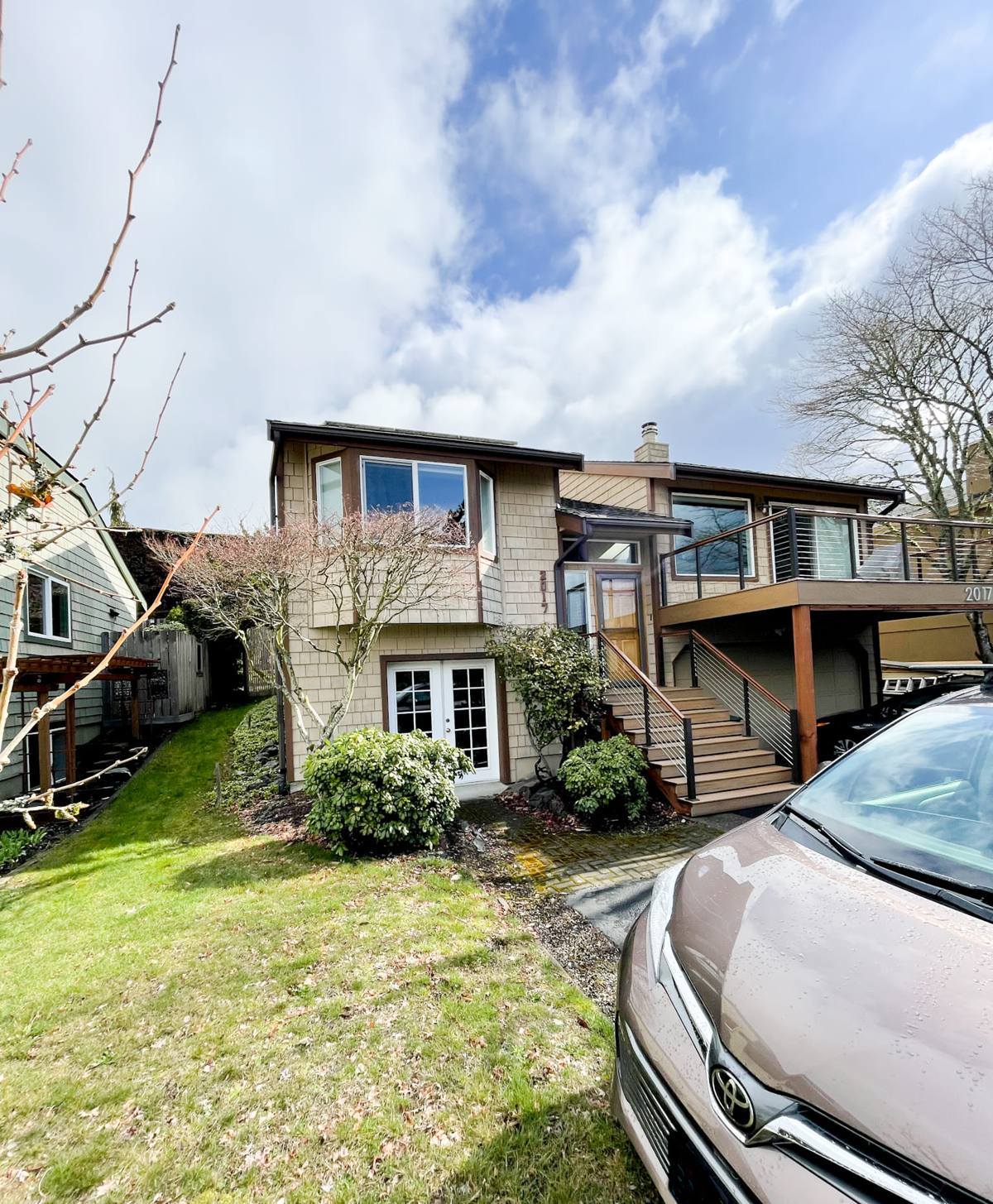
What Alger's Climate Actually Does to a New Window Installation
Salt Air and Metal Fatigue
Proximity to Samish Bay and the greater Puget Sound means airborne salt is a real factor here, not a coastal-only concern. Salt accelerates corrosion on window hardware, screen frames, and especially on any exposed fasteners or flashing metal that isn't rated for it. We spec corrosion-resistant fasteners and flashing on every new-construction job in this area as a baseline, not an upgrade.
Driving Rain, Not Just Rain
Skagit County doesn't just get a lot of rain — a good share of it comes in sideways off marine weather systems, which puts real wind-driven water pressure against window openings that a light-rain climate would never test. That's why flashing sequencing (how each layer of tape, flashing, and WRB overlaps the one below it, shingle-style) matters more here than in drier parts of the state. A single reversed lap at a sill or head flashing is enough to funnel water straight into the wall cavity during a hard blow.
Moss and Prolonged Moisture Exposure
The long moss season in this part of Washington isn't just a roof issue. Moss and algae take hold on north-facing and shaded window trim, sills, and stucco or siding returns wherever moisture sits instead of draining. If sill pans and drainage details aren't built in at the framing stage, you end up with wood trim and even window frame corners staying damp for months at a time, which is exactly the environment moss and rot both need.
What a Correct New-Construction Window Install Actually Involves
A lot of the quality in this trade is invisible once the siding goes on. Here's what should happen before that point, every time:
- Rough openings checked for square, level, and correct dimension before the window ever shows up on site
- Sill pan flashing installed with back-dam and end-dams so any water that gets past the window has a way out, not a place to pool
- WRB (house wrap) integrated with the window flange in proper shingle-lap order — WRB laps over the top flange, under the side and sill flanges
- Flashing tape or flexible flashing at all four sides, with extra attention at corners where three layers of material meet
- Window set plumb, level, and square in the opening with shims — not just fastened and hoped for
- Nailing flange fastened per the manufacturer's schedule, not "close enough" spacing
- Insulation (low-expansion foam or backer rod, never packed fiberglass) around the frame to control air leakage without bowing the frame
- Interior air seal completed before drywall closes the wall up
Skip or rush any one of those steps and the window itself — no matter how good the brand — becomes the weak point in the wall assembly.
Our Process for Alger New-Construction Projects
1. Plan Review and Product Selection
We start from your architectural plans or builder's window schedule and go over sizing, egress requirements, and product line options together. For new construction near the water, we steer clients toward vinyl or fiberglass frames with factory-applied corrosion-resistant hardware and glass packages rated for higher wind and moisture exposure — not because other materials can't work, but because they carry a lower long-term maintenance burden in this specific climate.
2. Coordination with the Builder or GC
New-construction windows have to land on site at the right point in the framing sequence — after rough openings are set, before or alongside WRB installation. We coordinate directly with your general contractor or framing crew so there's no guessing about timing, and so the flashing sequence isn't rushed to hit an unrelated deadline.
3. Installation
Every window gets the full flashing and sealing sequence described above. We don't shortcut sill pans or skip back-dams because "it's a new build and it'll be fine" — new construction is actually the one chance to get this right before the wall is closed up for good.
4. Final Check and Documentation
We walk each opening, confirm operation, check for square and smooth function, and document flashing details before siding crews cover the work. That matters for warranty claims down the road — yours and ours.
Window Frame Material Comparison for This Climate
| Frame Material | Salt Air / Moisture Behavior | Maintenance | Typical Fit for Alger New Builds |
|---|---|---|---|
| Vinyl | Won't corrode or rot; seams and welds matter for water resistance | Low — occasional cleaning | Strong all-around choice, especially on budget-conscious builds |
| Fiberglass | Very stable in moisture and temperature swings; dimensionally stronger than vinyl | Low | Good for larger openings or higher-end new builds |
| Aluminum | Prone to corrosion near salt air unless marine-grade and properly finished | Moderate to high in this climate | We advise caution here for coastal-influenced sites; frame condensation is also a factor |
| Wood / Wood-clad | Requires excellent exterior cladding and consistent maintenance to resist rot | High — regular finish upkeep | Works if the homeowner commits to upkeep; higher risk if maintenance lapses |
Cost Factors for New-Construction Window Packages
Every new build is different, so we won't quote a number without seeing your plans, but these are the factors that actually move the price:
| Factor | Why It Matters |
|---|---|
| Number and size of openings | Bigger glass and more openings mean more material and labor |
| Frame material | Vinyl generally costs less than fiberglass; both cost less over time than high-maintenance materials |
| Glass package | Higher-performance Low-E coatings and gas fills cost more upfront, less to heat and cool long-term |
| Wind/water exposure rating needed | Windows facing open water or prevailing storm direction may need a higher-rated assembly |
| Custom shapes or sizes | Anything outside standard stock sizing adds lead time and cost |
| Site access and building stage | Coordinating tightly with a framing schedule is more efficient than a delayed, out-of-sequence install |
Why a Crew That Already Works Alger Is Worth Choosing
New-construction window installation is one of those jobs where experience in the specific microclimate shows up years later, not on install day. A crew that's worked Alger and the rest of Mount Vernon and Skagit County knows which elevations take the worst of the driving rain, where moss takes hold fastest, and which detailing habits actually hold up against salt air over time instead of just looking right on install day. We're not learning your climate on your house — we've already built for it.
We also know the local building department's inspection expectations for window flashing and weather-resistive barrier integration, which keeps your framing and siding schedule moving instead of stalling on a correction.
A Simple Checklist Before You Sign Off on Any New-Construction Window Bid
- Does the bid specify sill pan flashing with back-dams, not just "flashed per code"?
- Is the WRB integration sequence spelled out, or left to whoever's on site that day?
- Are fasteners and hardware specified as corrosion-resistant for coastal-influenced exposure?
- Does the installer coordinate directly with your framer or GC on timing?
- Is there a documented final check before siding covers the openings?
- Does the warranty cover installation labor, not just the manufacturer's product defects?
If a bid can't answer those questions clearly, that's worth a follow-up conversation before you sign anything.
Let's Talk About Your Alger Build
Whether you're framing a new home, an ADU, or an addition in Alger or elsewhere around Mount Vernon, we're happy to walk through your plans, talk through frame and glass options suited to this stretch of Skagit County, and give you a straightforward, no-pressure estimate. Fill out the form below to get started.